Succession sowing
Sow a small row every 7–10 days instead of all at once to keep a continuous supply of tender heads and avoid a glut of overmature plants.

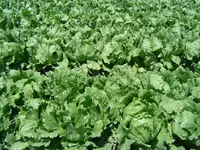
Garden lettuce, Lactuca sativa, is a fast-growing leafy annual grown mainly for its tender, edible leaves. It is one of the most common salad crops worldwide.
Plants form loose or compact heads in a range of shapes and colors, from pale green to deep red. Most modern varieties are derived from forms that originally came from temperate regions of Eurasia.
Lettuce has shallow roots and a soft, moisture-rich structure, which makes it quick to mature but sensitive to heat and drought. Because of this, learning how to care for garden lettuce focuses on keeping conditions cool, evenly moist, and supported by fertile, well-drained soil.

Care Difficulty
Moderate Care

Light Preference
Full Sun

Water Requirements
Keep Soil Moist

Temperature Preference
Cool Climate

Hardiness Zone
2–11

Soil Texture
Loamy, Sandy, Organic-rich

Soil pH
Acidic (5.5–6.5), Slightly acidic (6.5–7.0)

Soil Drainage
Moist but well-drained

Fertilization
Moderate (every 2–4 weeks)
Scan your plant to receive care tips personalized for your specific plant
Available on iOS and Android
Lactuca sativa grows best in bright conditions with moderate direct sun and protection from intense afternoon heat.
Watering should keep soil consistently moist but never saturated for healthy lettuce growth.
Cool, mild temperatures support the best growth and flavor for lettuce.
Humidity plays a minor role for Lactuca sativa, which mainly depends on soil moisture and cool temperatures.
Lactuca sativa prefers loose, moist, well-drained, organic-rich soil for rapid, tender growth.
This species grows very well in containers when depth and drainage are managed correctly.
Lactuca sativa benefits from modest, consistent nutrition for tender, fast growth.
Lactuca sativa does not need structural pruning, but careful harvest management supports quality and yield.
Lettuce is usually transplanted rather than long-term potted, so focus on gentle moves at the right stage.
New lettuce plants are almost always raised from seed for uniform, predictable crops.
Lettuce is cool-season but only mildly frost tolerant and needs some protection in cold climates.

Plant Health Check
Not sure what's wrong with your plant? Check your plant's health inside the app.
Lactuca sativa was domesticated from the wild species Lactuca serriola in the Mediterranean region, with archaeological evidence of its cultivation dating back to ancient Egypt and classical Greece and Rome.
This single species includes all common lettuce types such as crisphead, romaine, leaf, butterhead, and stem lettuce, which differ mainly in growth form and use but remain fully cross-compatible botanically.
The white latex in lettuce, called lactucarium, contains bitter sesquiterpene lactones that help protect the plant from herbivores and can become more concentrated when the plant bolts and turns bitter.

Lactuca sativa was depicted in ancient Egyptian tomb art and associated with the fertility god Min, indicating that lettuce had both dietary and symbolic roles more than 3,000 years ago.
Leaf tips often brown from heat stress, low humidity, or excess fertilizer salts. Crowding and poor airflow also contribute. Harvest outer leaves promptly and keep soil consistently moist but not waterlogged to prevent further tissue damage and bitterness.
Keep your plants happy and healthy with plant identification, disease detection, and easy care guidance.





-1-200x150.webp)