


Staggered planting
Plant small batches 2–3 weeks apart in late spring to early summer so tubers mature over a longer window, making it easier to harvest at peak size before hard frosts.


Oca, Oxalis tuberosa, is a perennial tuber-forming plant grown mainly as an annual crop. It produces fleshy, colorful underground tubers and clover-like leaves above ground. Plants stay low and bushy, spreading gently rather than climbing.
Oca comes from the cool, high-altitude regions of the Andes in South America, where it has been grown for food for centuries. It is valued for its edible tubers, which offer good yield in small spaces.
This species prefers cool conditions, consistent moisture, and well-drained, fertile soil. Once the growth cycle is understood, it is reasonably straightforward to care for oca in suitable climates or extended-season gardens.

Care Difficulty
Moderate Care

Light Preference
Full Sun

Water Requirements
Moderate Water

Temperature Preference
Cool Climate

Hardiness Zone
8–10

Soil Texture
Sandy, Loamy, Organic-rich

Soil pH
Acidic (5.5–6.5), Slightly acidic (6.5–7.0)

Soil Drainage
Moist but well-drained

Fertilization
Light (every 4–6 weeks)
Scan your plant to receive care tips personalized for your specific plant
Available on iOS and Android
This Andean tuber crop prefers bright conditions without harsh midday exposure.
This tuber-forming species needs steady moisture in well-drained soil to bulk up properly.
This cool-season crop prefers mild temperatures and is sensitive to frost and extreme heat.
Humidity plays only a minor role for Oxalis tuberosa, which adapts well to most household or outdoor conditions.
Oxalis tuberosa grows best in loose, well‑aerated, slightly acidic to neutral soil that drains quickly yet holds moderate moisture.
This species is suitable for container growing when the pot is deep, stable, and drains very efficiently.
This tuber-forming crop responds well to light, targeted feeding during its active growing season.
Pruning needs for Oxalis tuberosa are minimal and focused on hygiene rather than shaping.
This species is usually grown in open ground or large tubs, with transplanting focused on young starts and tuber relocation.
Propagation of Oxalis tuberosa is commonly done from tubers, with seed used mainly for breeding or advanced growers.
This crop is sensitive to hard frost, so winter care focuses on tuber protection rather than foliage survival.

Plant Health Check
Not sure what's wrong with your plant? Check your plant's health inside the app.
This crop forms its edible tubers only under short-day conditions, typically after the autumn equinox in its native Andes, which is why reliable tuber production is difficult in low-latitude or artificially lit environments.
The tubers contain relatively high levels of oxalates, compounds that give a sour taste and may help protect the plant’s tissues from herbivory and intense high-altitude sunlight; traditional preparation methods often involve soaking, freezing, or sun-curing to reduce this content before eating.
Traditional Andean farmers often spread harvested tubers on the ground to expose them to strong sun and cold nights, which converts some starches into simple sugars and noticeably sweetens the flavor, a process sometimes called sweetening or curing.

In many highland Andean communities, distinct local landraces of this species are maintained and exchanged by farmers, leading to a remarkable diversity of tuber shapes, colors, and flavors concentrated in relatively small geographic areas, making it one of the region’s culturally important minor root crops.
Yes, this species is grown mainly for its edible tubers, which are cooked or sometimes eaten raw after exposure to sunlight to reduce acidity. Leaves and stems are generally not used as food in typical home gardens.
Keep your plants happy and healthy with plant identification, disease detection, and easy care guidance.

Nuttall's Povertyweed
Blitum nuttallianum

Variegated Creeping Charlie
Glechoma hederacea 'Variegata'
 POPULAR
Devil's Tongue
Amorphophallus konjac
Low Goosefoot
Oxybasis chenopodioides
Mueller's saltbush
Atriplex muelleri
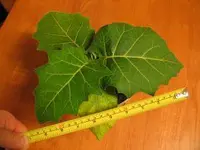
cocona
Solanum sessiliflorum
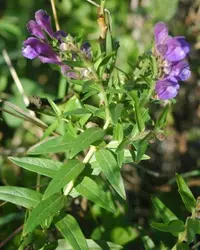
Baikal skullcap
Scutellaria baicalensis
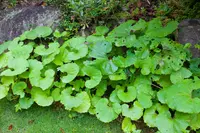
Giant butterbur
Petasites japonicus