Nuttall's Povertyweed Care (Blitum nuttallianum)

Nuttall's Povertyweed

About Nuttall's Povertyweed

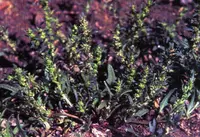
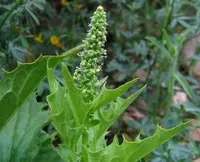
Nuttall's povertyweed (Blitum nuttallianum) is a small, annual herb in the amaranth family, native to much of western and central North America. It typically grows low to the ground with branching stems, simple leaves, and clusters of tiny, greenish flowers that later form small, bead-like fruits.

This species often appears in open, disturbed sites such as prairies, roadsides, and light woodlands. It is generally considered easy to grow where conditions match its natural habitat.

To care for Nuttall's Povertyweed, provide full sun to light shade, moderately dry to average moisture, and well-drained soil that is not overly rich in nutrients.


Main Plant Requirements

Care Difficulty

Moderate Care

Light Preference

Full Sun

Water Requirements

Moderate Water

Temperature Preference

Cold Hardy

Hardiness Zone

3–8

Soil Texture

Sandy, Loamy, Rocky

Soil pH

Slightly acidic (6.5–7.0), Neutral (7.0)

Soil Drainage

Well-drained

Fertilization

Minimal (feed rarely)

Get Personalized Care Plan

Scan your plant to receive care tips personalized for your specific plant

Available on iOS and Android

How to Care for the Nuttall's Povertyweed

This sun-loving annual prefers bright, open conditions with cool to mild temperatures.

  • Provide 6–8 hours of direct sun daily; morning to early afternoon sun is ideal in most temperate climates.
  • In hotter regions, give Blitum nuttallianum light afternoon shade or filtered sun after 2–3 p.m. to reduce leaf scorch and moisture loss.
  • Avoid deep shade; plants grown with less than 4 hours of direct light become leggy, produce fewer leaves, and set less seed through the season.

This species favors evenly moist, not soggy, soil during active growth.

  • Water when the top 2–3 cm of soil feel dry, aiming for a consistent, slightly damp profile rather than cycles of cracking dryness and saturation.
  • Ensure loose, well-drained soil; prolonged puddling or a sour smell indicates poor drainage and raises the risk of root rot in Blitum nuttallianum.
  • In cooler spring weather, watering needs are lower; in hot, windy periods, leaves may wilt between waterings but should recover within a few hours after moisture is restored.

This cool-season annual performs best in mild conditions without prolonged extremes.

  • Optimal growth occurs at 55–70°F (13–21°C), making spring and cool early summer the prime growing periods in many regions.
  • Plants tolerate light frost down to about 28°F (-2°C), but hard freezes below 25°F (-4°C) can kill foliage and young seedlings.
  • In hot spells above 85°F (29°C), growth slows, bolting may occur, and leaves can scorch, so use mulch and, if possible, light afternoon shade to moderate soil temperature.

Humidity is not a major factor for Blitum nuttallianum, which tolerates a wide range of outdoor conditions.

This species prefers loose, well-drained substrates that do not stay waterlogged.

  • Use sandy or sandy-loam soil with moderate organic matter to keep the root zone airy and free-draining.
  • Aim for slightly acidic to neutral pH, around 6.0–7.0, which supports balanced nutrient availability for Blitum nuttallianum.
  • In garden beds, mix coarse sand or fine gravel into heavier soils to improve drainage and prevent standing water.
  • Avoid compacted clay, poorly drained low spots, or mixes high in un-decomposed wood that slow drainage and suffocate roots.

This species can be grown in containers if the pot allows fast drainage and does not stay soggy.

  • Choose a pot at least 20–25 cm deep so the taproot can extend without curling tightly at the base.
  • Use a lightweight mix and a container with large drainage holes so water exits quickly after rain or irrigation.
  • Select a breathable material such as unglazed terracotta if growing in wet climates to reduce prolonged root-zone moisture.

This adaptable native annual usually needs no fertilizer in natural or rich garden soils.

  • In poor or very sandy soils, apply a light top-dressing of fine compost before sowing or early in growth.
  • If needed, use a balanced liquid fertilizer at 1⁄4–1⁄2 strength every 3–4 weeks during active growth.
  • Avoid feeding in late fall or winter, as the plant naturally completes its life cycle and does not benefit.
  • For caring for Nuttall's Povertyweed in containers, use a low-rate slow-release balanced fertilizer mixed into the potting soil.

Blitum nuttallianum needs only minimal pruning, mainly to tidy plants and manage self-seeding.

  • Trim back dead, yellowing, or storm-damaged stems at any time with clean scissors or hand shears.
  • In mid to late season, remove crowded or weak stems to improve air flow and reduce disease pressure.
  • Pinch soft tips lightly if a bushier, more compact shape is desired in small garden or container plantings.
  • Before seeds mature, shear off flowering stems if limiting self-sown seedlings is important.

This species is usually grown as a direct-sown annual, but young plants transplant well if handled gently.

  • Transplant seedlings outdoors in spring after frost once they have 2–3 true leaves and soil has warmed.
  • For container-grown plants, shift up only if roots circle the pot or growth becomes noticeably stunted.
  • Move to a slightly larger container or garden spot, keeping the root ball intact to limit root disturbance.
  • Water thoroughly after transplanting and shade lightly for 2–3 days to reduce stress and help roots reestablish.

Propagation of this annual is straightforward from seed under suitable temperature and moisture conditions.

  • Sow seeds in early to mid spring, directly in the garden or in trays kept at 60–70°F.
  • Cover seeds lightly with soil, as they need darkness to germinate well, and keep the surface evenly moist.
  • Thin seedlings once they have true leaves, spacing them to reduce competition and improve airflow.
  • For a longer harvest window, repeat sowing every 2–3 weeks through the cool part of the growing season.

As a cool-season annual, this plant usually dies back with hard frosts and needs little winter care.

  • In cold regions, allow some seeds to drop in fall so new seedlings can appear naturally in spring.
  • Where winters are mild, a light mulch around the site helps stabilize soil temperature and moisture.
  • Container plants kept late into fall can be moved to a cool, bright, frost-free area to extend the season.

Care Tips

Staggered Succession Sowing

Sow small patches every 1–2 weeks rather than one large planting so you always have young, tender leaves to harvest and can monitor which sowing time performs best in your local conditions when growing Nuttall's Povertyweed.

Targeted Harvest Technique

Pinch or cut outer leaves and tender shoot tips with clean scissors, leaving the central growth point intact so the plant continues to branch and produce new edible foliage instead of exhausting itself.

Light Mulch Management

Apply a thin, loose mulch layer of clean straw or shredded leaves around but not touching stems to reduce soil splash on edible parts and keep the shallow root zone cooler and more evenly moist.

Preventive Slug Barriers

In damp climates, place rough copper tape, diatomaceous earth, or coarse sand in a narrow band around beds or rows to limit slug and snail access without resorting immediately to broad-spectrum pesticides.

Strategic Companion Placement

Grow near low, non-aggressive companions such as spring onions or small herbs to help break wind, shade soil lightly, and attract beneficial insects without shading out or competing strongly with the shallow roots.

Common Pests and Diseases

Leaf miners

This pest feeds inside the leaves, creating pale, winding tunnels that reduce photosynthetic area and can distort foliage on young plants.

Solution

Remove and destroy mined leaves as soon as they are noticed, then encourage vigorous growth with adequate water and nutrients so plants can outgrow minor damage; in small plantings, floating row covers set out before adult flies arrive can prevent egg laying on leaves.

Flea beetles

These insects chew many tiny round holes in young leaves, often giving foliage a shot‑holed or lace‑like appearance and slowing growth.

Solution

Use lightweight floating row covers to exclude adults from seedlings, reduce nearby brassica and nightshade weeds that can host beetles, and in small gardens knock beetles off plants early in the day onto a sheet or tray for disposal; maintaining even soil moisture and moderate nitrogen helps plants tolerate some feeding.

Downy mildew

This disease causes yellow to pale green angular spots on upper leaf surfaces with a grayish to purplish downy growth on the undersides in moist, cool conditions.

Solution

Improve air movement by spacing plants and reducing dense surrounding vegetation, water at soil level early in the day so foliage dries quickly, and promptly remove and discard heavily infected leaves to slow spread; in areas with repeated issues, avoid overhead irrigation during cool, humid periods when caring for Nuttall's Povertyweed.

Cercospora leaf spot

This disease produces small, circular to irregular tan or gray spots with darker borders on leaves, which can merge and lead to partial defoliation under warm, humid conditions.

Solution

Collect and discard infected leaves to reduce the source of spores, keep foliage as dry as possible by watering at the base, and rotate plantings away from previously affected beds or containers for at least 2–3 years to limit reinfection from soil and plant debris.

Interesting Facts

Seasonal desert annual

This species is a small, short-lived annual that appears after spring moisture in arid and semi-arid regions of western North America, then quickly completes its life cycle before summer drought returns.

Edible goosefoot relative

It belongs to the former goosefoot group within Amaranthaceae, and several Indigenous peoples traditionally used its young shoots and seed-like fruits as a wild food similar to quinoa or lambsquarters.

Salt-tolerant habitat specialist

It often grows in disturbed, sandy, or somewhat saline soils, such as roadsides, fields, and dry lake margins, showing a notable tolerance to soil conditions that limit many other native herbs.

Botan icon

Did you know?

Archaeobotanical studies have found its distinctive tiny fruits (utricles) in ancient cultural deposits in parts of western North America, indicating that people harvested and used this plant thousands of years ago as part of traditional food systems.

FAQs about Nuttall's Povertyweed

Young leaves and tender shoots are edible and traditionally used as a wild green, cooked like spinach. As with any foraged food, harvest from clean, uncontaminated sites and cook thoroughly to reduce potential nitrate or oxalate levels.

Grow Healthy Plants with Botan Care

Keep your plants happy and healthy with plant identification, disease detection, and easy care guidance.

Botan plant care app — identify plants on mobile

Explore More Plants