Staggered Harvesting
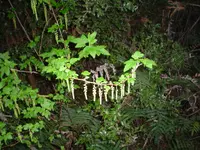
Harvest outer leaves regularly while leaving the central crown intact to keep the plant in active growth and extend the productive season when growing Patience Dock.

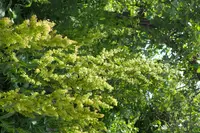
Patience dock, Rumex patientia, is a hardy perennial leafy plant grown mainly as an edible green and sometimes as an ornamental foliage plant. It forms a clump of large, elongated leaves with a slightly puckered surface and tall flower stalks that appear as the plant matures.
This species is native to southeastern Europe and western Asia but has been cultivated and naturalized in many temperate regions. It is generally easy to grow, as it tolerates cool conditions and adapts to a range of garden soils if they stay consistently moist.
Patience dock prefers full sun to light shade and moderately fertile, well-drained but moisture-retentive soil. These traits make it relatively straightforward to care for Patience Dock in home gardens.

Care Difficulty
Easy Care

Light Preference
Full Sun

Water Requirements
Regular Water

Temperature Preference
Cold Hardy

Hardiness Zone
4–8

Soil Texture
Loamy, Clay, Organic-rich

Soil pH
Acidic (5.5–6.5), Slightly acidic (6.5–7.0)

Soil Drainage
Moist but well-drained

Fertilization
Minimal (feed rarely)
Scan your plant to receive care tips personalized for your specific plant
Available on iOS and Android
Leafy growth is strongest in full sun with some tolerance of light shade.
This perennial prefers evenly moist, well-drained soil without prolonged drying or waterlogging.
Growth is strongest in cool to mild conditions, with good tolerance of moderate cold.
Humidity is rarely critical for Rumex patientia, which adapts well to typical outdoor ranges.
Rumex patientia grows best in deep, moist, loamy soil with steady drainage.
This species can be grown in containers if the pot is large and moisture is managed carefully.
This perennial leafy vegetable benefits from modest feeding in fertile soil but does not need heavy fertilization.
Pruning Rumex patientia is mainly used to control size, keep leaves tender, and prevent unwanted self-seeding.
This deep-rooted perennial is usually grown in open ground, so transplanting is more common than container repotting.
New plants are usually raised from seed, with occasional division of older clumps for Rumex patientia care.
This hardy perennial tolerates typical winter conditions in most temperate climates and needs only minimal care once established.

Plant Health Check
Not sure what's wrong with your plant? Check your plant's health inside the app.
Rumex patientia is one of the few dock species cultivated as a long-lived leafy vegetable, especially in Eastern Europe, where its mildly sour young leaves are harvested repeatedly from the same clump for many years.
This species starts growth very early in spring and tolerates cool conditions, which allows it to provide edible leaves when many annual vegetables are not yet available.
Mature plants form a strong, deep taproot that allows them to access moisture and nutrients from lower soil layers, which helps the plant stay productive in light drought once established.

Historical records from parts of Eastern Europe describe Rumex patientia being grown in household gardens for centuries as a reliable source of early-season sour greens, often used in soups and pies before other vegetables were in season.
Young leaves and stems are edible when cooked and are often used like spinach or chard. They contain oxalic acid, so large raw amounts are not recommended, especially for people with kidney issues or on low-oxalate diets.
Keep your plants happy and healthy with plant identification, disease detection, and easy care guidance.