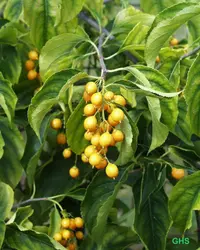
Hablitzia Care (Hablitzia tamnoides)

Also known as: Caucasian spinach
Hablitzia

About Hablitzia

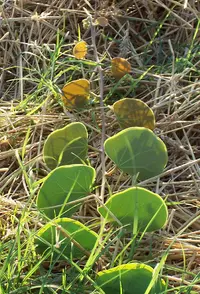
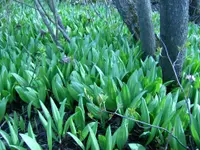
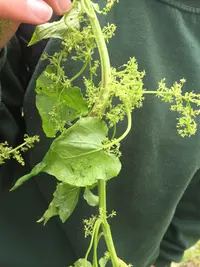
Hablitzia tamnoides, often called Caucasian spinach, is a hardy perennial climbing vegetable from the woodland edges of the Caucasus region and nearby areas. It produces long twining stems with heart-shaped green leaves that can form a dense, edible foliage curtain on supports.

The plant prefers cool conditions, partial shade, and moist, well-drained soil, which makes it suitable for forest gardens and shady borders. Once established, it is long-lived and relatively resilient, so learning how to care for Hablitzia mainly involves providing support to climb and consistent moisture.

Its perennial habit means it returns each year from the root, often before many other leafy crops. In suitable climates, it can be a low-maintenance, productive leafy green for many seasons.

Main Plant Requirements

Care Difficulty

Moderate Care

Light Preference

Partial Shade

Water Requirements

Moderate Water

Temperature Preference

Cold Hardy

Hardiness Zone

3–8

Soil Texture

Loamy, Silty, Organic-rich

Soil pH

Acidic (5.5–6.5), Slightly acidic (6.5–7.0)

Soil Drainage

Moist but well-drained

Fertilization

Minimal (feed rarely)

Get Personalized Care Plan

Scan your plant to receive care tips personalized for your specific plant

Available on iOS and Android

How to Care for the Hablitzia

This shade-tolerant perennial vine grows best with cool conditions and gentle light.

  • Provide 3–5 hours of sun per day, ideally morning sun with bright, open shade or dappled light in the afternoon.
  • Site Hablitzia tamnoides on an east or north-facing aspect, or under light tree canopy, to avoid harsh midday and late-afternoon sun.
  • In hot summers, protect from strong sun to prevent leaf scorch; in cooler seasons, slightly more direct light supports stronger growth.

This deep-rooted climber prefers consistently moist but not saturated soil.

  • Water when the top 2–4 cm of soil feels dry, aiming for evenly damp soil that never stays waterlogged.
  • Use well-drained, humus-rich soil so excess water can escape; soggy conditions cause yellowing leaves and root issues.
  • During hot, dry periods, increase watering and mulch the root zone; in cool or rainy seasons, reduce watering to avoid overwatering stress.

This hardy perennial thrives in cool to mild climates with pronounced seasons.

  • For active growth, aim for 50–70°F (10–21°C); growth slows in heat above about 80°F (27°C).
  • Hablitzia tamnoides tolerates winter cold down to about 0°F (-18°C) once established, dying back above ground and resprouting in spring.
  • Provide extra mulch around the crown in regions below 0°F (-18°C) and some afternoon shade in hot summers to reduce heat stress.

This vine handles a wide humidity range and usually does not need special humidity management outdoors.

  • Target 40–70% humidity, which matches most outdoor conditions in temperate climates.
  • Plants tolerate short dry-air spells but may show leaf-edge browning and slower growth if kept very dry for long periods.
  • If grown in a sheltered, very dry spot, increase humidity slightly by mulching the soil and avoiding heat-reflective walls close to the plant.

Hablitzia tamnoides prefers loose, fertile, consistently moist but well-drained soil for long-term vigor.

  • Use a loamy, crumbly soil rich in organic matter; aim for roughly 40–60% garden loam blended with compost.
  • Ensure free drainage, as the plant dislikes waterlogged or compacted soil that reduces oxygen around the roots.
  • A slightly acidic to neutral pH of about 6.0–7.0 supports nutrient availability and stable growth.
  • For containers, combine compost, fine bark, and perlite or coarse sand to improve aeration and prevent heavy, soggy conditions.

This species can be grown in containers if the pot is large, deep, and stable enough to support its climbing habit.

  • Choose a container at least 35–45 cm deep to allow the perennial root system to develop a strong storage crown.
  • Use a heavy or wide-based pot so the vine and its support structure do not tip over in wind.
  • Position the container where a trellis or netting can be fixed directly to the pot or nearby structure for secure vertical growth.

Light feeding supports steady growth in Hablitzia without forcing soft, weak shoots.

  • Apply a balanced granular or slow-release fertilizer (around 10-10-10) at half label rate once in early spring as growth starts.
  • On fertile garden soil, use a thin layer of compost around the root zone instead of repeated synthetic feeds.
  • During the main growing season, avoid more than 1–2 light applications to prevent overly lush, floppy vines.
  • Do not feed in late fall or winter, when the plant is dormant and nutrient demand is low.

Thoughtful pruning keeps Hablitzia tamnoides productive, accessible, and within its support structure.

  • Carry out main pruning in late winter or very early spring before new growth begins.
  • Remove dead, damaged, or crossing stems first, then thin congested shoots to improve light and air flow.
  • Shorten or redirect long vines to maintain the desired shape on trellises, fences, or arches.
  • Use clean, sharp secateurs and make angled cuts just above healthy buds to reduce disease entry.

This hardy climber is usually grown in the ground, so transplanting young plants correctly is more important than frequent repotting.

  • Transplant in early spring or early fall, when temperatures are mild and soil is workable.
  • Choose a site with well-drained soil and provide a trellis or other support at planting time.
  • If grown in pots, repot only when roots circle the container or growth slows, typically every 2–3 years.
  • Water deeply before and after moving the plant, keep roots shaded, and avoid disturbing the root ball to limit stress.

New plants are most often raised from seed, though division also works for established Hablitzia tamnoides clumps.

  • Sow fresh seed in late fall or winter outdoors, or provide 4–8 weeks of cold stratification at 35–40°F before spring sowing.
  • Use a free-draining seed mix, keep it evenly moist, and maintain cool conditions around 50–60°F for germination.
  • Divide mature crowns in early spring, replanting each section with several buds and healthy roots.
  • Water divisions well, shade lightly for the first 1–2 weeks, and maintain moderate moisture until strong new shoots appear.

This perennial vine is cold hardy and usually needs only minimal winter care in most temperate climates.

  • Tolerates substantial frost once established, with top growth dying back and roots overwintering underground.
  • After hard frosts, cut spent stems near ground level to reduce disease carryover and tidy the bed.
  • Apply 5–8 cm of organic mulch over the root zone in late fall, keeping it just clear of the crown.
  • Container plants in colder regions benefit from moving to a sheltered, unheated but frost-free spot.

Care Tips

Provide climbing structure

Install a sturdy trellis, mesh, or wires 1.5–2 m high before spring growth starts so young shoots can be tied in loosely as they elongate and do not tangle on the ground.

Mulch for cool roots

Apply a 5–8 cm layer of organic mulch, such as shredded leaves or composted bark, around but not against the crown to keep roots cool, conserve moisture, and reduce weed competition.

Encourage basal shoots

After the main stems have established, lightly tip-prune vigorous leaders in late spring to encourage branching from the base, which increases leaf yield and makes harvesting easier.

Staggered harvesting

Harvest only the top 1/3 of vigorous, non-flowering shoots at a time and rotate picking areas so plants can recover and maintain strong growth throughout the season when growing Hablitzia.

Winter crown protection

In colder regions, mound an extra 5–10 cm of loose mulch over the crown in late fall, then pull it back gradually in early spring to protect buds from freeze–thaw damage while avoiding rot.

Common Pests and Diseases

Slugs and snails

This pest is strongly attracted to the tender spring shoots and young leaves and can skeletonize foliage overnight in damp conditions.

Solution

Hand-pick at dusk, use beer traps or copper barriers, and keep dense debris away from the base of plants; in severe cases, apply iron phosphate slug bait around but not touching stems and reapply after heavy rain.

Leaf miners

These insects create pale, winding tunnels inside the leaves, which can reduce photosynthesis and weaken new growth.

Solution

Remove and dispose of affected leaves promptly, encourage natural predators such as parasitic wasps, and use lightweight row cover over emerging shoots if leaf mining was a problem in previous seasons.

Downy mildew

This disease appears as yellow or pale patches on upper leaf surfaces with a grayish or white downy growth on the undersides in cool, humid weather.

Solution

Improve airflow by spacing and training the vine, water at soil level in the morning, remove and discard affected leaves, and avoid overhead watering during extended cool, damp periods to support healthy Hablitzia tamnoides care.

Leaf spot

Symptoms include small brown or purplish spots that may merge into larger lesions, often starting on older leaves in wet or crowded conditions.

Solution

Prune to open up dense growth, remove heavily spotted leaves, keep foliage dry where possible, and rotate the planting site every few years to reduce buildup of the causal fungi in the soil.

Interesting Facts

Perennial climbing spinach

This species is a cold-hardy perennial vine from the Caucasus that produces edible leaves and young shoots used much like spinach, often remaining productive for many years from the same rootstock.

Thrives in deep shade

Unlike many leafy vegetables, it naturally grows on shaded forest edges and rocky ravines and can remain vigorous in low light, which makes caring for Hablitzia in dim garden corners unusually easy compared to most edibles.

Very early spring greens

The new shoots often emerge and become harvestable earlier than most garden vegetables in cool climates, providing one of the first fresh leafy crops of the season.

Botan icon

Did you know?

This species has been cultivated in northern Europe since at least the 19th century as a hardy, long-lived vegetable, and some documented garden clumps have persisted and produced edible growth for several decades from the same original planting.

FAQs about Hablitzia

Yes, this species is grown mainly as an edible perennial vegetable. Young leaves and shoots are eaten raw or cooked like spinach. Older leaves are usually cooked, and stems become more fibrous with age.

Grow Healthy Plants with Botan Care

Keep your plants happy and healthy with plant identification, disease detection, and easy care guidance.

Botan plant care app — identify plants on mobile

Explore More Plants