


Shallow pot choice
Use a wide, shallow terracotta pot rather than a deep one to support the clumping habit and allow offsets to spread while keeping roots in a fast‑drying zone.

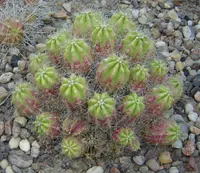
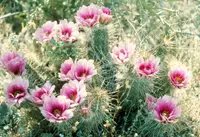
Pitaya, Echinocereus enneacanthus, is a small clumping cactus native to arid regions of the southwestern United States and northern Mexico. It forms low mounds of narrow, ribbed stems with prominent spines.
In spring to early summer, it produces showy funnel-shaped flowers followed by edible, brightly colored fruits often called pitaya. Its drought tolerance and slow, compact growth habit make it suitable for containers and dry gardens.
This species prefers strong light, very well-drained sandy or gritty soil, and infrequent watering. For anyone learning how to care for pitaya, its main challenges are avoiding overwatering and providing enough light, especially in indoor or humid climates.

Care Difficulty
Easy Care

Light Preference
Full Sun

Water Requirements
Low Water

Temperature Preference
Warm Climate

Hardiness Zone
7–11

Soil Texture
Sandy, Loamy, Rocky

Soil pH
Slightly acidic (6.5–7.0), Neutral (7.0)

Soil Drainage
Well-drained

Fertilization
Minimal (feed rarely)
Scan your plant to receive care tips personalized for your specific plant
Available on iOS and Android
This desert cactus prefers strong sun but benefits from some protection during the hottest hours.
Watering should mimic brief desert rains followed by dry periods.
This species thrives in warm, dry conditions and tolerates moderate heat and short cold spells.
This cactus handles typical indoor humidity without special measures.
Use a very fast-draining, gritty cactus substrate to prevent root rot.
This species is well suited to container culture outdoors in sunny, dry conditions.
This desert cactus needs only light feeding to maintain compact, healthy growth.
Echinocereus enneacanthus benefits from minimal, targeted pruning mainly for health and safety.
This cactus grows slowly and dislikes frequent disturbance, so repotting or transplanting is infrequent but occasionally useful.
This species is commonly propagated by offsets or seed, both of which require warm, dry conditions.
This cactus is relatively cold hardy when dry but still benefits from considered winter management in many climates.

Plant Health Check
Not sure what's wrong with your plant? Check your plant's health inside the app.
This cactus forms low, branching clumps from cylindrical stems that are distinctly segmented, with each segment often detaching and rooting to slowly expand the colony across sandy or gravelly soils.
Its common name nine-spined hedgehog cactus comes from the typical arrangement of about 9 stout radial spines per areole, which helps distinguish it from some closely related Echinocereus species in the field.
In its native range of the Chihuahuan Desert and adjacent regions, flowering is closely tied to spring moisture pulses, with large magenta to purple blooms appearing shortly after favorable rainfall and temperature conditions.

The fruits of Echinocereus enneacanthus, which turn reddish and become fleshy when ripe, have long been eaten locally as a wild food, and the genus name Echinocereus is partly associated with these edible, often sweet fruits that led to some species being casually called pitaya in their native regions.
This cactus often needs to reach several years of age and a certain stem thickness before flowering. Inadequate winter rest, insufficient light intensity, or lack of cross‑pollination in some forms can also reduce or prevent blooms.
Keep your plants happy and healthy with plant identification, disease detection, and easy care guidance.

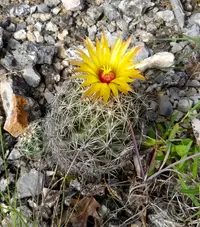
Pineapple Cactus
Coryphantha sulcata
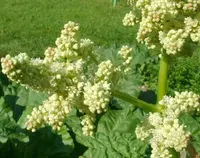
False Rhubarb
Rheum rhaponticum
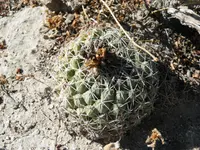
Coryphantha maiz-tablasensis
Coryphantha maiz-tablasensis
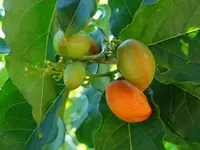
silver peanut butter fruit
Bunchosia argentea
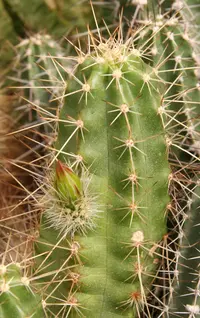
Echinocereus parkeri
Echinocereus parkeri
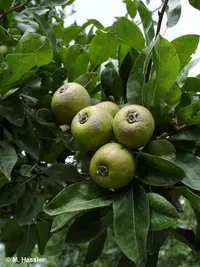
Snow Pear
Pyrus nivalis
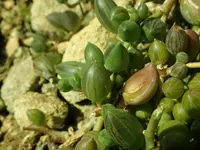
Gooseberry Plant
Curio herreanus
pinkflower hedgehog cactus
Echinocereus fasciculatus