


Calibrate watering depth
Use a wooden skewer or chopstick pushed 5–7 cm into the substrate and only water when it comes out fully dry and clean, which helps avoid hidden moisture pockets that cause root rot in deep pots.

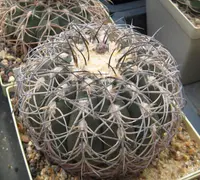
Gymnocalycium spegazzinii is a small, slow-growing desert cactus known for its heavily ribbed, often blue-gray body and prominent, curved spines. It usually stays compact and solitary, making it suitable for containers and small spaces indoors.
This species comes from arid regions of Argentina, where it experiences strong light, intense sun, and poor, mineral soils. It is considered moderately easy to grow if its need for sharp drainage and dry resting periods is respected.
Those looking into how to care for Gymnocalycium spegazzinii should focus on bright light, well-drained gritty soil, and careful watering that keeps the roots dry between soakings.

Care Difficulty
Moderate Care

Light Preference
Partial Sun

Water Requirements
Low Water

Temperature Preference
Tropical / Frost Sensitive

Hardiness Zone
10–11

Soil Texture
Sandy, Rocky, Loamy

Soil pH
Slightly acidic (6.5–7.0), Neutral (7.0)

Soil Drainage
Well-drained

Fertilization
Minimal (feed rarely)
Scan your plant to receive care tips personalized for your specific plant
Available on iOS and Android
This small desert cactus prefers bright light with some protection from harsh midday sun.
This drought-tolerant cactus needs thorough but infrequent watering in fast-draining soil.
This species prefers warm, dry conditions with a distinct cool rest period in winter.
This cactus prefers dry air and typical indoor humidity around 30–50%.
Use a very fast-draining, mineral-rich mix to protect Gymnocalycium spegazzinii from root rot.
This species is well suited to container growing when drainage and pot choice are carefully managed.
This cactus benefits from light, controlled feeding during its active season but stays healthy with modest nutrition.
This species needs very little pruning, mainly for health and safety rather than shaping.
This slow-growing cactus prefers tight quarters and only occasional repotting in a suitable mineral mix.
Propagation of this species is mainly done from seed and requires patience and controlled conditions.
This cactus benefits from a cool, dry winter rest and is not tolerant of prolonged freezing.

Plant Health Check
Not sure what's wrong with your plant? Check your plant's health inside the app.
This cactus develops extremely thick, helmet‑like ribs that contract and expand with rainfall, allowing the plant to shrink into the ground during drought and then re‑inflate when water becomes available.
Wild and cultivated plants show striking variation in spine color and form, from dark, heavily hooked spines to lighter, shorter ones, reflecting both genetic diversity and adaptation to intense sun and herbivory in its native range.
The species is native to arid, high‑elevation regions of Argentina, where it endures strong winds, high UV radiation, and large day–night temperature swings that many other cacti cannot tolerate.

The species was named in honor of Italian-born botanist Carlos Luis Spegazzini, whose detailed work on the flora of Argentina helped document many South American cacti in the late 19th and early 20th centuries.
Lack of flowers usually comes from insufficient light, overly frequent watering, or winter conditions that are too warm. This species benefits from a cool, dry winter rest and strong light in spring to trigger bud formation.
Keep your plants happy and healthy with plant identification, disease detection, and easy care guidance.

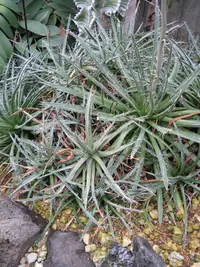
smallflower century plant
Agave parviflora
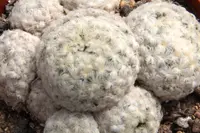
Feather Cactus
Mammillaria plumosa
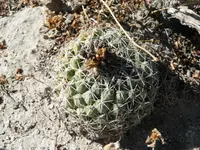
Coryphantha maiz-tablasensis
Coryphantha maiz-tablasensis

Pencil Cactus
Euphorbia tirucalli
Pima Pineapple Cactus
Coryphantha robustispina
 POPULAR
Jade plant
Crassula ovata
bunched cory cactus
Coryphantha ramillosa
Coryphantha retusa
Coryphantha retusa