Pima Pineapple Cactus Care (Coryphantha robustispina)

Also known as: long-tubercle beehive cactus, Long-tubercled Cory Cactus
Pima Pineapple Cactus

About Pima Pineapple Cactus

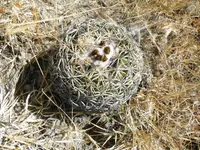
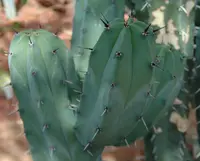
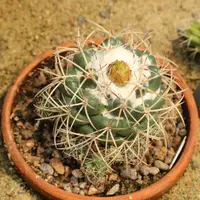
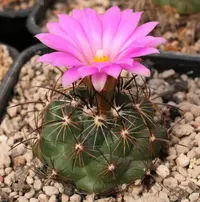
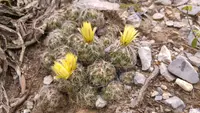
The Pima pineapple cactus, Coryphantha robustispina, is a small, slow-growing desert cactus with a rounded body and prominent, heavy spines. Mature plants may form a single dome or a small clump over time.

This species is native to arid grasslands and desert scrub of southern Arizona and northern Mexico, where it endures strong sun, heat, and long dry periods. In cultivation it stays compact and is generally low-maintenance if kept dry and well lit.

Spine density, slow growth, and sensitivity to excess moisture are the main traits that influence how to care for Pima Pineapple Cactus. It prefers bright light, excellent drainage, and careful, infrequent watering.

Main Plant Requirements

Care Difficulty

Moderate Care

Light Preference

Full Sun

Water Requirements

Low Water

Temperature Preference

Warm Climate

Hardiness Zone

9–11

Soil Texture

Sandy, Loamy, Rocky

Soil pH

Slightly acidic (6.5–7.0), Neutral (7.0)

Soil Drainage

Well-drained

Fertilization

Minimal (feed rarely)

Get Personalized Care Plan

Scan your plant to receive care tips personalized for your specific plant

Available on iOS and Android

How to Care for the Pima Pineapple Cactus

This desert cactus needs strong light but benefits from some protection during the hottest hours.

  • Provide 6–8 hours of direct sun daily, ideally with morning sun and light afternoon shade, especially in hot, low-humidity regions.
  • Tolerates partial shade with 3–4 hours of direct sun, but Pima Pineapple Cactus may grow slower and lean toward the brightest side if light is marginal.
  • In summer, avoid sudden exposure to full midday sun to reduce sunscald; in winter, prioritize the brightest, unobstructed location available.

This species is highly drought-tolerant and must dry well between waterings to avoid root rot.

  • Allow the top 3–5 cm of soil to dry completely before watering, then soak thoroughly so excess drains away from the root zone.
  • During active growth in spring and early summer, watering may be needed every 10–21 days, guided by soil dryness rather than the calendar.
  • In late fall and winter, keep Coryphantha robustispina almost dry, watering lightly only if the stem shrivels; pale, soft tissue usually indicates overwatering.

This cactus prefers hot, dry conditions but has limited frost tolerance.

  • Optimal growth occurs around 75–90°F (24–32°C), with warm days and cooler, well-ventilated nights that mimic desert conditions.
  • Tolerates brief dips to 25–30°F (-4 to -1°C) if soil is completely dry, but repeated freezes or wet cold quickly damage tissues.
  • Handles heat up to 100–105°F (38–41°C) if acclimated and kept in very well-drained soil; provide light shade and airflow during extreme heat waves.

This cactus is adapted to arid climates and grows best in low indoor humidity.

  • Aim for 20–40% humidity, similar to a dry, heated room environment.
  • Plant tolerates very dry air; avoid placing it in kitchens, bathrooms, or near humidifiers.
  • Humidity stress shows as soft, swollen tissue or rot at the base; increase air movement and ensure surrounding surfaces stay dry to protect the Pima Pineapple Cactus.

This species needs a very fast-draining, mineral-based substrate to prevent root rot.

  • Use a gritty mix such as 50–60% pumice, coarse perlite, or gravel with 40–50% cactus potting mix or sandy loam.
  • Aim for slightly acidic to neutral pH around 6.0–7.0, avoiding strongly acidic or alkaline media that restrict nutrient uptake.
  • Increase aeration by including coarse, angular particles (2–5 mm) and avoiding peat-heavy or compact organic components.
  • Keep the substrate shallow and free-draining so water drains within seconds, avoiding any mix that stays wet or heavy for more than 1 day for Coryphantha robustispina.

This cactus is very suitable for container growing due to its compact, slow-growing habit.

  • Choose a pot only 2–4 cm wider than the plant body to keep the root zone tight and reduce prolonged moisture retention.
  • Use a wide, low container shape to improve stability and prevent tipping if the plant becomes offsetted or lopsided.
  • Select unglazed terracotta when possible, as it allows faster evaporation and helps the coarse substrate dry between waterings.

This desert cactus, including the Pima Pineapple Cactus form of Coryphantha robustispina, needs only light, infrequent feeding in containers.

  • Use a low-strength balanced cactus fertilizer (around 5-5-5 or similar) or a very dilute balanced liquid (1/4 strength).
  • Feed once in late spring and once in mid-summer during active growth; avoid heavy organic compost in pots.
  • Skip feeding in fall and winter when growth is dormant to prevent soft, weak tissue and rot.
  • Water before applying fertilizer, and ensure fast-draining soil so salts do not accumulate around the roots.

Coryphantha robustispina needs almost no pruning beyond basic cleanup for health and safety.

  • Perform any work in late spring or early summer when the plant is actively growing and wounds seal faster.
  • Remove only dead, diseased, or severely damaged tissues using long-handled tongs and clean, sharp snips.
  • Avoid cutting healthy stems; pruning does not improve flowering and may scar the plant permanently.
  • Dispose of removed material carefully to avoid injury from spines and reduce disease carryover around the plant.

Container-grown Coryphantha robustispina benefits from rare but careful repotting to refresh soil and manage root health.

  • Check every 3–4 years; repot when roots circle the pot, grow through drainage holes, or growth slows without other cause.
  • Plan repotting for late spring, keeping the root ball as intact as possible to limit stress.
  • Use a shallow, slightly wider pot with a very coarse, mineral-rich cactus mix for excellent drainage.
  • Let roots dry for 3–5 days after repotting before lightly watering, so any small injuries callus and resist rot.

Propagation of Coryphantha robustispina is usually done from seed and requires patience and controlled conditions.

  • Sow fresh seeds in late spring or early summer in a sterile, fine-textured cactus mix with excellent drainage.
  • Maintain 70–80°F bottom warmth, bright indirect light, and lightly moist (not wet) substrate for germination.
  • Cover the tray with a clear lid or plastic to hold humidity, then gradually vent as seedlings emerge.
  • Keep seedlings in shallow containers for several years, watering sparingly and giving strong light to prevent etiolated, weak growth.

Coryphantha robustispina is somewhat cold tolerant when dry but still benefits from targeted winter care in many climates.

  • Aim to keep plants cool and nearly dry in winter, ideally at 35–45°F with maximum sun exposure.
  • In-ground plants in marginal climates need very sharp drainage and a gravel mulch to keep the crown dry.
  • Move container plants under cover or indoors before hard freezes, ensuring soil is almost completely dry.

Care Tips

Deep pot choice

Use a clay pot that is slightly deeper than it is wide so the strong taproot can develop fully and the mineral mix dries evenly between irrigations.

Top-dress with grit

Apply a 1–2 cm layer of coarse gravel or pumice on the soil surface to keep the stem dry at the base, reduce algae growth, and stabilize the plant as it matures.

Controlled summer rest

In very hot, dry midsummer conditions, slightly reduce watering and completely avoid fertilizing to mimic its natural semi-dormant period and prevent soft, weak growth.

Winter light boost

During bright but cool winter conditions, place the plant as close as safely possible to a south-facing window or under a full-spectrum LED to maintain compact growth without restarting active watering.

Safe handling method

When repotting, use folded newspaper, silicone tongs, or a thick towel to hold the body so the root ball stays intact and the spines are not broken, which reduces stress and infection risk while caring for Pima Pineapple Cactus.

Common Pests and Diseases

Cochineal scale

This pest forms white, cottony patches on the ribs and areoles, often with pink or red staining when crushed. Symptoms include slow growth and yellowing tissue where insects feed on the sap.

Solution

Remove clusters with a strong jet of water or by dabbing each patch with cotton swabs dipped in 70% isopropyl alcohol, then repeat weekly until no new insects appear. In dry outdoor collections, improve air circulation and, if needed, apply a light horticultural soap or oil spray in the cool part of the day, avoiding intense sun immediately after treatment.

Cactus mealybugs

These insects hide in woolly white masses between tubercles, around areoles, and at the stem base, sucking sap and weakening the plant. Symptoms include stunted growth, honeydew, and sooty mold on nearby surfaces.

Solution

Isolate the plant, then physically remove visible insects with alcohol-dipped cotton swabs and flush crevices with a diluted insecticidal soap solution. Inspect roots when repotting and, if root mealybugs are present, wash soil from the roots, trim infested parts, and repot in fresh, fast-draining mix, monitoring monthly for reinfestation as part of Coryphantha robustispina care instructions.

Spider mites

These pests thrive in hot, very dry conditions and cause fine speckling, dull patches, and a dusty or webbed appearance on the cactus surface. Symptoms include loss of the natural sheen and gradual yellowing or bronzing of the epidermis.

Solution

Rinse the plant thoroughly with a firm stream of water, including the lower body and between tubercles, then repeat every few days until no new damage appears. Increase local humidity slightly around, but not directly on, the plant and use a miticidal soap or neem-based spray, applied in the evening or shade to avoid sunburn on the epidermis.

Fusarium stem rot

This disease causes localized soft, sunken, often reddish-brown lesions that may spread from small wounds or damaged areoles. Symptoms include tissue collapse and internal discoloration that can move up the stem.

Solution

At the first sign of rot, cut away all affected tissue with a sterile knife back to firm, healthy flesh, then allow the wound to dry and callus in bright, dry shade for several days. Discard severely affected plants, avoid overhead watering, keep the substrate very free-draining, and sterilize cutting tools and pots to prevent spread.

Bacterial soft rot

This disease leads to rapidly soft, water-soaked, foul-smelling areas on the stem, often following mechanical injury or prolonged wetness. Symptoms include a mushy texture and collapse of the cactus body, starting at the damaged point.

Solution

Immediately isolate the plant and cut away all soft, discolored tissue well into firm, healthy material, then let the wound dry completely in a dry, airy place. If the infection is extensive the plant is usually lost, so prevention through careful handling, avoiding water sitting in the stem crown, and maintaining strict dryness in cool weather is critical.

Interesting Facts

Sonoran Desert specialist

This cactus is native to the Sonoran Desert of southern Arizona and northern Mexico, where it typically grows on rocky slopes and gravelly alluvial fans rather than open sand, taking advantage of rapid drainage and heat-reflecting stones.

Massive hooked spines

It is characterized by very thick, strongly hooked central spines that can shade the stem surface and help reduce herbivory, an adaptation that distinguishes it from many closely related Coryphantha species with finer armament.

Monsoon-timed flowering

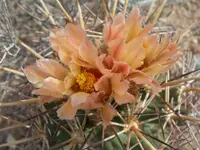
Flowering usually coincides with the North American summer monsoon period, when increased rainfall and humidity support the production of its large yellow flowers from the stem apex.

Botan icon

Did you know?

This species is considered of conservation concern in parts of its US range because of habitat loss and disturbance, and wild populations are monitored and protected in some areas to prevent further decline.

FAQs about Pima Pineapple Cactus

This species generally performs better outdoors in dry, sunny, frost-free locations that mimic its desert habitat. Indoors it can survive with strong light and careful watering, but growth and flowering are usually slower and less reliable.

Grow Healthy Plants with Botan Care

Keep your plants happy and healthy with plant identification, disease detection, and easy care guidance.

Botan plant care app — identify plants on mobile

Explore More Plants