


Grit Topdressing
Apply a 0.5–1 cm layer of coarse mineral grit or small lava rock on the soil surface to keep the neck dry, reduce algae and moss, and discourage fungus gnats when caring for Coryphantha poselgeriana.

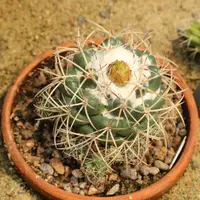
Coryphantha poselgeriana is a small desert cactus forming low, rounded mounds covered in distinct tubercles instead of ribs. Each tubercle bears clusters of spines that protect the plant and reduce water loss.
This species is native to arid regions of northern Mexico and the southern United States, where it grows in rocky, fast-draining soils under intense sun. It produces showy, funnel-shaped flowers near the crown, often in yellowish tones.
A slow-growing habit, drought tolerance, and compact size make it suitable for containers and rock gardens. Basic knowledge of how to care for Coryphantha poselgeriana is helpful, as it dislikes excess moisture and requires bright light and very free-draining soil.

Care Difficulty
Moderate Care

Light Preference
Full Sun

Water Requirements
Low Water

Temperature Preference
Tropical / Frost Sensitive

Hardiness Zone
9–11

Soil Texture
Sandy, Rocky, Loamy

Soil pH
Slightly acidic (6.5–7.0), Neutral (7.0)

Soil Drainage
Well-drained

Fertilization
Minimal (feed rarely)
Scan your plant to receive care tips personalized for your specific plant
Available on iOS and Android
This small desert cactus needs bright sun but benefits from some protection at the hottest times of day.
This species prefers infrequent, deep watering and fast-drying, gritty soil.
This cactus prefers warm, dry conditions and does not tolerate sustained frost.
This cactus is adapted to dry air and rarely needs humidity adjustment indoors.
This desert cactus needs very fast-draining, mineral-rich soil to prevent root rot.
This species is well suited to container growing when drainage and stability are managed carefully.
This desert cactus needs only light feeding to stay healthy in cultivation.
Pruning needs for this small cactus are minimal and focus on health, not shaping.
This species grows slowly and prefers infrequent disturbance of its roots.
Propagation is usually done from seed rather than offsets for this cactus.
This cactus prefers a cool, dry rest period and is only moderately tolerant of cold.

Plant Health Check
Not sure what's wrong with your plant? Check your plant's health inside the app.
This species forms small, depressed-globose stems densely covered in soft, rounded tubercles rather than sharp ribs, an adaptation that helps reduce sun exposure and store water in its hot, arid native range of northeastern Mexico and southern Texas.
The areoles on the tubercles can develop conspicuous wool, especially near the crown, which helps protect the growing point from intense sunlight and sudden temperature changes in its desert habitat.
It produces relatively large, bright yellow funnel-shaped flowers at the plant’s apex in summer, often after rainfall events, which attract pollinators active during the warmest, sunniest part of the year.

The species is closely associated with limestone-rich soils in its native habitat, often growing in shallow pockets of calcareous gravel or rock crevices, which influences both its mineral nutrition and its strong preference for very fast-draining, alkaline-leaning substrates in cultivation, a key point in Coryphantha poselgeriana care instructions.
This species typically blooms in late spring to summer, producing yellow to yellow-orange funnel-shaped flowers from the plant’s top. Blooms are showy but relatively small, and appear once the plant is mature and well established.
Keep your plants happy and healthy with plant identification, disease detection, and easy care guidance.

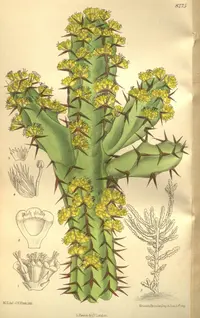
Euphorbia ledienii
Euphorbia ledienii
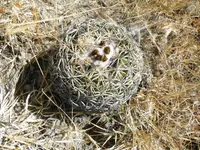
Coryphantha retusa
Coryphantha retusa
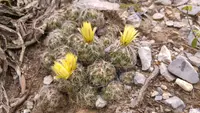
Coryphantha neglecta
Coryphantha neglecta
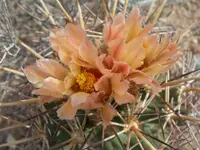
Pima Pineapple Cactus
Coryphantha robustispina
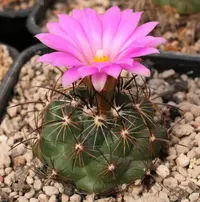
bunched cory cactus
Coryphantha ramillosa
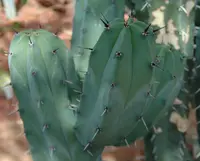
Bilberry Cactus
Myrtillocactus geometrizans
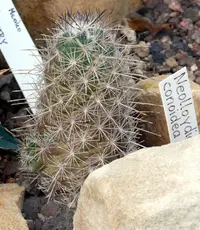
Texas cone cactus
Cochemiea conoidea
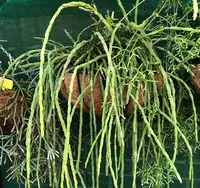
Chain Cactus
Rhipsalis paradoxa