Lobivia arachnacantha Care

Lobivia arachnacantha

About Lobivia arachnacantha

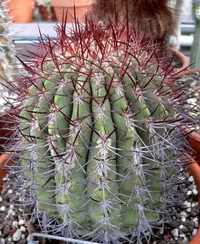
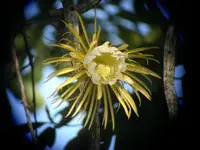
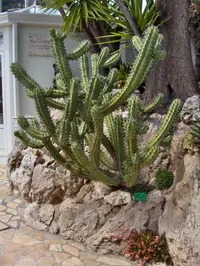
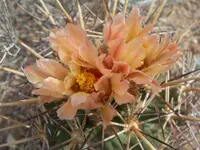
Lobivia arachnacantha is a small, clustering cactus valued for its compact size, rounded stems, and dense, spiderweb-like spines. It often forms low, cushion-shaped clumps over time. Native to high-altitude regions of Bolivia, it is adapted to strong light, cool nights, and well-drained, mineral soils. In season, it produces relatively large, funnel-shaped flowers that create a striking contrast with the dark green body. This species is considered manageable for growers who can provide bright light, careful watering, and gritty soil. Understanding how to care for Lobivia arachnacantha mainly involves avoiding excess moisture and providing good airflow around the plant.

Main Plant Requirements

Care Difficulty

Moderate Care

Light Preference

Full Sun

Water Requirements

Low Water

Temperature Preference

Warm Climate

Hardiness Zone

9–11

Soil Texture

Sandy, Loamy, Rocky

Soil pH

Slightly acidic (6.5–7.0), Neutral (7.0)

Soil Drainage

Well-drained

Fertilization

Minimal (feed rarely)

Get Personalized Care Plan

Scan your plant to receive care tips personalized for your specific plant

Available on iOS and Android

How to Care for the Lobivia arachnacantha

This compact cactus needs bright light with some direct sun to stay dense and flower well.

  • Provide 4–6 hours of direct morning or late-afternoon sun, plus bright indirect light for the rest of the day, especially in spring and summer.
  • Tolerates light partial shade, but growth may stretch and flowering drop if kept below about 3–4 hours of direct sun.
  • In very hot climates, protect Lobivia arachnacantha from harsh midday sun with light shade cloth to prevent scorching and yellow patches.

This species prefers thorough but infrequent watering that mimics brief desert rains.

  • Water only when the top 3–5 cm of soil are completely dry, then soak deeply so excess drains away and no water stands around the roots.
  • Reduce watering sharply in fall and winter, giving only a light drink every few weeks if the stem wrinkles slightly, indicating mild thirst.
  • Watch for soft, yellowing or blackened tissue as a sign of overwatering; very shriveled, hard stems signal prolonged underwatering or root loss.

This cactus favors warm, dry conditions and tolerates moderate heat if kept on the dry side.

  • Aim for 65–80°F (18–27°C) during active growth, which supports steady development and flowering.
  • In winter rest, cooler 45–55°F (7–13°C) with very little water encourages strong flowering next season, provided the plant stays dry.
  • Protect from frost; brief dips to 32°F (0°C) may be tolerated only if soil is dry, but repeated freezes or damp cold cause tissue damage and rot.

This cactus tolerates a wide humidity range but stays healthiest in fairly dry air.

  • Aim for 30–50% humidity, similar to most heated indoor homes.
  • Dry air is usually fine; problems arise more from excess moisture around the stem than from low humidity.
  • Watch for soft, translucent tissue or mold at the base as signs of too much humidity or poor air movement.
  • Increase humidity slightly only in very arid homes by grouping plants, but always keep strong air circulation.

This species needs a very fast-draining, mineral-rich soil mix to prevent root and stem rot.

  • Use a gritty, sandy mix such as 50–70% inorganic material (pumice, coarse perlite, grit) with 30–50% cactus potting mix.
  • Ensure the structure stays loose and airy so water flows through in seconds and the mix dries within a few days.
  • Keep soil slightly acidic to neutral, around pH 6.0–7.0, avoiding strongly acidic or alkaline substrates.
  • For Lobivia arachnacantha, avoid dense peat or clay; amend with extra pumice or coarse sand whenever the mix feels compact.

This small cactus is very suitable for container growing.

  • Choose a shallow but wide pot so the fibrous roots can spread and the clustered stems have stable support.
  • Use unglazed terracotta when possible, as it speeds evaporation and reduces the risk of prolonged wetness in the root zone.
  • Top-dress the soil surface with coarse grit to keep the neck of the plant dry and reduce splashback against the stems.

This small cactus needs only light feeding to maintain compact, healthy growth.

  • Use a low-nitrogen balanced cactus fertilizer (around 5-10-10) diluted to 25–50% strength in well-watered, active plants.
  • Feed Lobivia arachnacantha every 4–6 weeks during the warm growing season only.
  • Do not apply fertilizer to dry soil to avoid root burn; water first, then feed lightly.
  • Stop feeding in late fall and through winter dormancy to prevent weak, elongated growth.

Pruning needs are minimal and focus on hygiene rather than shaping this compact cactus.

  • Best time for any work is late spring to summer, when the plant is actively growing.
  • Remove dead, diseased, or rotting stems using clean, sharp scissors or a sterile knife.
  • Clip off spent flowers or dried flower remains if desired to maintain a neat appearance.
  • Avoid heavy cutting; excessive removal can slow recovery and reduce flowering the next season.

This species prefers a tight pot and only occasional repotting in a sharply draining mix.

  • Repot every 3–4 years or when roots circle the pot, drainage slows, or growth becomes stunted.
  • Choose late spring as the best time, using a gritty cactus mix and a pot just 1–2 cm wider.
  • Unpot gently, remove loose old soil, and trim dead roots, keeping healthy roots as intact as possible.
  • Allow roots to dry 1–2 days after repotting before lightly watering to reduce rot risk and stress.

Propagation is commonly done from offsets, with seeds as a slower but useful option.

  • Detach small offsets in late spring or early summer using a clean, sharp knife.
  • Let cut surfaces callus in a dry, bright place for 3–7 days before planting.
  • Set offsets into barely moist, gritty cactus mix and keep warm with bright, indirect light.
  • Sow seeds on the surface of sterile, fine mix, keep 70–80°F and lightly moist until germination.

This cactus benefits from a cool, dry winter rest to support compact growth and flowering.

  • Keep indoor plants around 40–50°F in bright light with excellent air circulation.
  • Water very sparingly, just enough to prevent shriveling, and stop all fertilizing.
  • If grown outdoors in pots, move under cover before hard frost, as prolonged freezing can damage tissue.

Care Tips

Winter rest setup

Provide a cool, very bright, and almost dry winter rest at 40–50°F to encourage abundant flowering the following spring, using an unheated but frost-free room or insulated garage with a window if needed.

Clay pot advantage

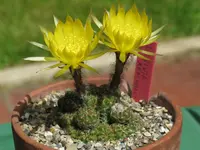
Use a small unglazed terracotta pot with a drainage hole to let the root zone dry faster and reduce the risk of rot, especially in humid climates or if you tend to water slowly rather than in quick flushes.

Topdressing with grit

Apply a 0.5–1 in layer of mineral topdressing such as fine gravel or pumice chips to keep the neck of the plant dry, reduce algae and moss, and stabilize the shallow root system.

Flowering cycle monitoring

Mark first bud appearance and bloom time each year; if flowering becomes weaker or later, gradually extend the cool-dry winter rest or slightly increase light during spring to fine-tune the plant’s annual rhythm when caring for Lobivia arachnacantha.

Division and offsets

Lift and divide crowded clusters every 3–5 years, replanting offsets into fresh, very gritty mix to improve air flow around stems, reduce fungal problems, and renew the planting without heavy pruning.

Common Pests and Diseases

Mealybugs

This pest feeds on cactus tissues, often hiding in the ribs and woolly areoles where it appears as white cottony masses. Symptoms include stunted growth, yellowing, and sticky honeydew that can attract sooty mold.

Solution

Isolate the plant, then remove visible insects with a cotton swab dipped in 70% isopropyl alcohol and repeat weekly until no new pests appear. For heavier infestations on Lobivia arachnacantha indoor care, use a labeled systemic insecticide for cacti and improve light and air movement to reduce future outbreaks.

Spider mites

These insects are actually tiny arachnids that thrive on compact cactus bodies in hot, dry air, causing fine speckling and a dull, grayish surface. Symptoms include very fine webbing between spines and gradual loss of the plant’s natural green color.

Solution

Rinse the cactus gently with a strong but controlled stream of water, focusing on crevices between ribs and spines, then allow it to dry quickly in bright, airy conditions. If mites persist, apply a targeted miticide or insecticidal soap suitable for succulents, repeating according to label directions while slightly increasing humidity and improving airflow.

Scale insects

This pest appears as small, hard, brown or gray bumps attached firmly to the stem, especially in sheltered spots at the base of spines. Symptoms include patchy yellowing, weakened growth, and sticky residues on nearby surfaces.

Solution

Manually scrape or lift off individual scales with a blunt tool or cotton swab dipped in isopropyl alcohol, taking care not to wound the skin of the cactus. For ongoing problems, use a systemic insecticide formulated for ornamental cacti and keep the plant in brighter, less crowded conditions to make early detection easier.

Corky scab (edema)

This disease-like physiological disorder causes rough, brown, corky patches on the lower parts of the stem where tissue has been stressed by irregular watering or sudden changes in moisture. Symptoms include firm, dry scarring that does not feel soft or wet to the touch.

Solution

Adjust watering so the soil dries almost completely between waterings, especially in cool or low-light periods, and avoid sudden heavy soaking after long dry spells. Existing scars will not disappear, but stable, non-spreading lesions combined with steady, moderate watering and a gritty, fast-draining mix indicate the issue is under control.

Fungal stem spot

This disease causes small, sunken, dark or reddish spots on the green body of the cactus, often starting where water has collected on the skin. Symptoms include slowly enlarging lesions that may become slightly soft or corky over time.

Solution

Remove severely affected plants or cut out small, localized lesions with a sterile blade, then dust the wound with a dry fungicidal powder and keep it in a very dry, bright location to callus. Prevent recurrence by watering only at the soil level, ensuring rapid drying, providing strong air circulation, and using a well-draining mineral-rich cactus mix.

Interesting Facts

Spiderweb spine pattern

This small Andean cactus forms dense clusters of stems covered in fine, interlacing white spines that resemble a spiderweb, an adaptation that helps shade the body and reduce water loss at high elevations.

High-altitude specialist

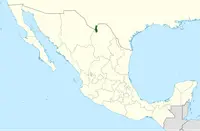
It is native to the eastern slopes of the Andes in Bolivia, where it grows on rocky slopes at relatively high elevations, tolerating strong light, cool nights, and significant temperature swings.

Prolific offset formation

The plant naturally produces many offsets from the base, forming cushion-like clumps in habitat, which helps stabilize it on loose, stony substrates and allows damaged heads to be replaced over time.

Botan icon

Did you know?

In cultivation this species can bloom while still very small, often flowering when individual heads are only about the size of a large marble, which makes it highly valued among collectors interested in growing Lobivia arachnacantha from seed.

FAQs about Lobivia arachnacantha

This species generally performs best outdoors in bright, dry conditions, but can do well indoors in a sunny window with good airflow. Lobivia arachnacantha indoor care focuses on avoiding overwatering, poor drainage, and low light.

Grow Healthy Plants with Botan Care

Keep your plants happy and healthy with plant identification, disease detection, and easy care guidance.

Botan plant care app — identify plants on mobile

Explore More Plants