Stabilize Tall Stems
Once stems reach 20–30 cm, anchor the pot with topdressing gravel and, if needed, use a discreet, smooth stake and soft tie to prevent the column from leaning or snapping during accidental knocks.

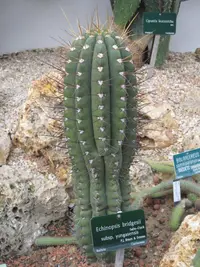
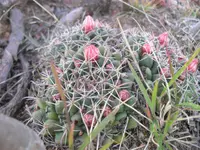
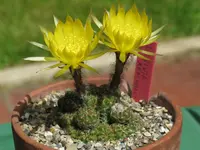
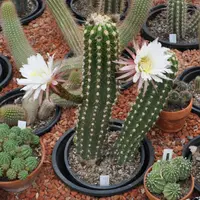
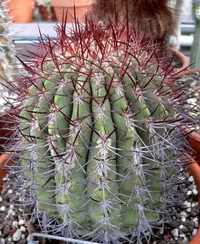
Lobivia bridgesii is a small columnar cactus native to high-altitude regions of Bolivia and northern Argentina. It usually forms upright, slender stems with distinct ribs and short spines. Mature plants often branch from the base, creating compact clumps that stay manageable in pots. In suitable conditions, it produces large, funnel-shaped flowers that open widely and contrast with the blue-green stems. This species is adapted to strong sun, cool nights, and very well-drained, rocky soils in its natural habitat. Its slow growth, drought tolerance, and modest root system make it relatively easy to keep, as long as excess moisture is avoided and you understand how to care for Lobivia bridgesii.

Care Difficulty
Easy Care

Light Preference
Full Sun

Water Requirements
Low Water

Temperature Preference
Warm Climate

Hardiness Zone
9–11

Soil Texture
Sandy, Loamy, Rocky

Soil pH
Slightly acidic (6.5–7.0), Neutral (7.0)

Soil Drainage
Well-drained

Fertilization
Minimal (feed rarely)
Scan your plant to receive care tips personalized for your specific plant
Available on iOS and Android
This cactus prefers bright, direct light but benefits from some protection during the harshest sun.
This species is drought-tolerant and needs infrequent but deep watering in fast-draining soil.
This cactus prefers warm, dry conditions with a cool but not freezing winter rest.
This cactus handles typical indoor humidity well, so moisture in the air is rarely a concern.
This species needs a very fast-draining, mineral-rich substrate to protect its roots from rot.
This cactus is very suitable for container growing due to its compact, shallow-rooted habit.
This cactus needs light feeding to support growth and flowering in poor, sandy soils or containers.
This cactus needs minimal pruning, focused on hygiene and maintaining a single, healthy form.
Container-grown plants benefit from occasional repotting to refresh the gritty substrate and give roots space.
This species is commonly multiplied from offsets and seeds for collection building and backup plants.
Dormant plants prefer cool, dry winter conditions and tolerate brief light frost when kept almost dry.

Plant Health Check
Not sure what's wrong with your plant? Check your plant's health inside the app.
This species is native to high elevations in the central Andes of Bolivia and northern Argentina, where it experiences strong sun, low humidity, and large day–night temperature swings.
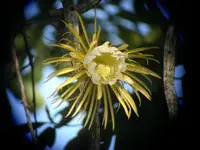
Its long, tubular white flowers open at night or in the very early morning, an adaptation linked to pollination by nocturnal insects such as moths.
This cactus has a complex taxonomic history and is now often treated under the genus Echinopsis, so it may be found in literature as Echinopsis bridgesii or under related names in older sources of Lobivia bridgesii care instructions.
Lack of flowers usually comes from insufficient light, winter conditions that are too warm, or excess nitrogen fertilizer. Provide strong sun, a cool dry winter rest, and avoid overfeeding to encourage reliable spring or summer flowering.
Keep your plants happy and healthy with plant identification, disease detection, and easy care guidance.