Cold rain protection
In regions with wet winters, place a simple transparent cover over the rosette during prolonged cold rain so water does not sit between the leaves and cause rot at the crown.

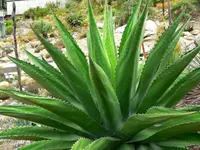
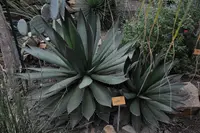
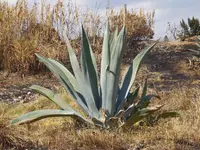
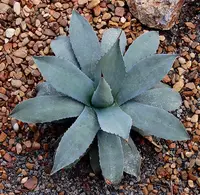
Agave gentryi is a medium to large rosette-forming succulent from the mountains of northeastern Mexico. It is known for its broad, stiff, blue-green leaves with strong teeth and a sharp terminal spine.
This species forms a symmetrical, architectural clump that eventually produces a tall flowering stalk once in its lifetime. It naturally grows on rocky slopes and open, arid to semi-arid sites, which shapes how to care for Agave gentryi.
It prefers bright light, lean fast-draining soil, and dry conditions between deep waterings. Its slow growth and drought tolerance make it relatively low-maintenance for suitable climates.

Care Difficulty
Easy Care

Light Preference
Full Sun

Water Requirements
Low Water

Temperature Preference
Warm Climate

Hardiness Zone
7–10

Soil Texture
Sandy, Loamy, Rocky

Soil pH
Slightly acidic (6.5–7.0), Neutral (7.0)

Soil Drainage
Well-drained

Fertilization
Minimal (feed rarely)
Scan your plant to receive care tips personalized for your specific plant
Available on iOS and Android
This high-altitude agave thrives in strong light but benefits from some protection in very hot climates.
This species prefers infrequent, deep watering and fast drainage that mimics arid, rocky habitats.
This agave prefers warm conditions but tolerates short periods of notable cold when established and well drained.
This species tolerates a wide humidity range and rarely needs special humidity management indoors or outdoors.
Agave gentryi needs very sharply drained, mineral-rich soil to prevent root and crown rot.
This species is well-suited to container growing in dry or seasonally cold climates.
Feeding needs are low, but thoughtful fertilization supports steady growth and leaf strength in Agave gentryi.
Pruning requirements are minimal and focus on cleanliness and safety for Agave gentryi.
Transplanting and occasional container repotting keep this slow-growing agave stable and healthy.
New plants are most reliably produced from offsets, with seed used mainly for patient growers of Agave gentryi.
Cold tolerance is moderate, so winter care depends strongly on local climate for this agave.

Plant Health Check
Not sure what's wrong with your plant? Check your plant's health inside the app.
This species is naturally restricted to cool, high-elevation pine–oak forests of northeastern Mexico, typically growing on rocky slopes with good drainage rather than in lowland deserts.
Compared with many other agaves, this plant shows notable tolerance to subfreezing temperatures, surviving at elevations where winter frosts are regular.
Mature plants can form very large, open rosettes with broad, thick leaves that often develop strong marginal spines and a pronounced terminal spine, giving it a distinctive architectural profile among hardy agaves.

In its native range, this species contributes to montane plant communities that act as important refuges for biodiversity, because its high-elevation habitats remain cooler and more humid than surrounding lowland areas in a warming climate.
This species flowers only once when fully mature, often after several decades. Lack of bloom is usually normal immaturity, not a care problem. Flowering is more likely in plants grown outdoors in strong light with minimal stress.
Keep your plants happy and healthy with plant identification, disease detection, and easy care guidance.