Agave ghiesbreghtii Care

Agave ghiesbreghtii

About Agave ghiesbreghtii

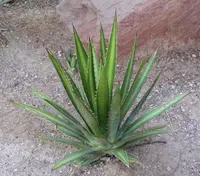
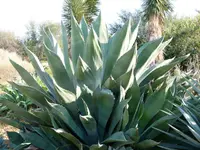
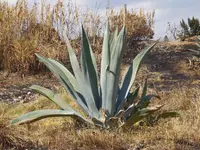
Agave ghiesbreghtii is a compact, rosette-forming succulent known for its stiff, triangular leaves with strong spines along the edges and at the tip. Mature plants can form clumps and eventually produce a tall flowering stalk once in their lifetime.

This species is native to rocky slopes and open areas in Mexico, where it experiences strong light and well-drained, often poor soils. Its slow growth, drought tolerance, and minimal pruning needs make it relatively simple for patient growers to manage.

Understanding how to care for Agave ghiesbreghtii mainly involves providing bright light, infrequent but deep watering, and gritty, fast-draining soil to prevent root problems.

Main Plant Requirements

Care Difficulty

Easy Care

Light Preference

Full Sun

Water Requirements

Low Water

Temperature Preference

Warm Climate

Hardiness Zone

9–11

Soil Texture

Sandy, Loamy, Rocky

Soil pH

Slightly acidic (6.5–7.0), Neutral (7.0)

Soil Drainage

Well-drained

Fertilization

Minimal (feed rarely)

Get Personalized Care Plan

Scan your plant to receive care tips personalized for your specific plant

Available on iOS and Android

How to Care for the Agave ghiesbreghtii

This sun-loving succulent thrives in bright, direct light with some protection during extreme heat.

  • Provide 6–8 hours of direct sun daily, ideally with strong morning sun and light afternoon shade in very hot climates.
  • Tolerates bright partial shade, but Agave ghiesbreghtii grown in less than 4–5 hours of sun may stretch and lose compact form.
  • In summer, watch for leaf scorch from intense afternoon sun; in winter, ensure the site is as bright and open as possible.

This drought-tolerant species prefers deep, infrequent watering and very fast-draining soil.

  • Outdoors in dry climates, water only when the top 5–8 cm of soil are completely dry, then soak the root zone thoroughly.
  • Reduce watering in cool seasons, and withhold almost entirely during prolonged cold, damp weather to prevent root rot.
  • Signs of overwatering include yellowing, soft leaves and a rotten base; hard, curling, or shriveling leaves indicate it needs a deep drink.

This agave prefers warm conditions and is sensitive to prolonged frost and winter wet.

  • Optimal growth occurs around 70–90°F (21–32°C), with good airflow and dry soil between waterings.
  • Short dips to about 25°F (-4°C) may be tolerated if the plant is completely dry, but repeated freezes increase damage risk.
  • In regions above 95°F (35°C), provide afternoon shade and avoid reflected heat from walls or pavement to limit leaf burn.

This species tolerates typical indoor humidity and does not need special humidity management.

This desert succulent requires very fast-draining, mineral-rich soil to prevent root and crown rot.

  • Use a gritty mix such as 50–60% coarse sand or fine gravel with 40–50% cactus potting mix.
  • Ensure the structure stays loose and airy; avoid compact, clay-heavy, or water-retentive substrates with a lot of peat.
  • Aim for slightly acidic to neutral pH around 6.0–7.0, which suits Agave ghiesbreghtii root function.
  • Improve drainage by adding extra pumice or perlite, especially in regions with high rainfall or heavy irrigation.

This agave is suitable for container cultivation outdoors in sunny, dry locations.

  • Choose a wide, low container that resists tipping, as the rosette becomes heavy and can shift the pot in wind.
  • Select unglazed terracotta if faster moisture loss is needed in cooler or wetter climates, plastic in very hot, dry regions.
  • Fill only the lower part of deep pots with the growing mix and top with a mineral mulch layer to keep the crown dry.

This agave grows well with minimal feeding, but light fertilization can support container plants and faster growth.

  • Use a diluted balanced liquid fertilizer (around 10-10-10 NPK) at 1/4–1/2 strength during spring and early summer.
  • Feed Agave ghiesbreghtii no more than every 4–6 weeks in the active growing season, skipping doses if growth looks strong.
  • Avoid compost-heavy or high-organic blends that stay wet; choose low-nitrogen, cactus or succulent formulas instead.
  • Stop feeding in late summer and through winter dormancy to prevent soft, cold-sensitive growth and root issues.

Pruning needs are low and focus mainly on hygiene and safety for this slow-growing rosette succulent.

  • Best time is late winter to early spring, before strong new growth begins.
  • Remove only dead, dried, or badly damaged leaves at the base to reduce rot and pests.
  • Use sharp, clean pruning shears and protective gloves to avoid cuts from stiff spines.
  • Limit pruning to outer leaves so the natural rosette shape and flowering potential remain intact.

This species grows slowly and dislikes frequent disturbance, so repot or transplant Agave ghiesbreghtii only when clearly needed.

  • Check for roots circling the pot, pushing through drainage holes, or noticeably slowed growth as signals to move it.
  • Plan repotting or outdoor transplanting for late spring to early summer, once nights are consistently warm.
  • Expect to repot container plants about every 3–5 years, stepping up only 2–5 cm in pot diameter each time.
  • Gently loosen outer roots, keep the root ball largely intact, and withhold water for 3–5 days after moving to limit transplant shock.

New plants are usually raised from offsets, since seed production is slower and less predictable for home growers.

  • Detach basal offsets in late spring or early summer once they have several firm leaves and visible roots.
  • Use a sterile, sharp knife to cut pups cleanly from the parent, keeping as much root tissue as possible.
  • Allow cut surfaces to dry and callus for 3–7 days in shade, reducing risk of rot in the new planting.
  • Plant offsets in a very fast-draining cactus mix, keep warm and bright, and water lightly only after callused bases are settled.

Cold tolerance is limited, so winter conditions must stay relatively dry and above hard frost for long-term health.

  • In-ground plants handle brief light frosts but are safer in climates with winter lows above about 25°F.
  • Apply a thin, gritty mulch (gravel or coarse sand) around the base to improve drainage rather than retain moisture.
  • For containers, move plants under a roof or indoors to a bright, cool, dry spot before repeated freezes.

Care Tips

Rock mulch ring

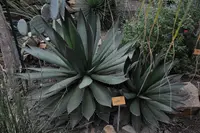
Place a 10–20 cm wide ring of coarse gravel or rocks around the base to keep leaves dry at the crown, reduce weed competition, and mimic the rocky conditions that help prevent rot when growing Agave ghiesbreghtii.

Protect leaf tips

Install low, unobtrusive edging or stones around the plant to keep foot traffic and pets from snapping the stiff leaf tips, which can invite fungal entry and spoil the rosette symmetry.

Winter rain shielding

In climates with wet winters, set up a simple clear plastic or polycarbonate rain cover that blocks overhead rain but leaves sides open for airflow, reducing the risk of crown and root rot without moving the plant.

Offset management

Use a clean, sharp knife to remove offsets when they reach roughly 1/3–1/2 the size of the parent, then allow cut surfaces to dry for 3–7 days before potting to minimize infection and encourage strong, independent root systems.

Salt and mineral control

If the plant is container-grown in hard tap water regions, leach the pot thoroughly every few months by watering generously and allowing full drainage to flush out accumulated salts that can burn roots over time.

Common Pests and Diseases

Agave snout weevil

This pest is a beetle whose larvae burrow into the agave crown and base, causing internal tunneling and collapse. Symptoms include yellowing leaves, wilting, and a rotting, foul-smelling core that often causes the rosette to topple.

Solution

Inspect the crown and base regularly and remove and destroy any plants showing advanced collapse to prevent spread. For how to take care of Agave ghiesbreghtii in areas with known weevil pressure, keep plants healthy and dry, avoid wounding the base, dispose of plant debris promptly, and use a targeted systemic insecticide drench on surrounding agaves in early spring according to label directions.

Agave mite

These insects are microscopic eriophyid mites that feed in the tight leaf bases and central rosette. Symptoms include distorted new leaves, rough or corky patches, and sometimes streaked or blotchy discoloration near the crown.

Solution

Remove and trash severely deformed plants, as mites are difficult to eradicate once established. For early or mild cases, cut out and destroy affected leaves, avoid overhead watering that can spread mites, and if needed use a miticide specifically labeled for eriophyid mites, applied carefully into the crown area.

Scale insects

These insects attach to leaves and leaf bases, sucking sap and causing yellow spotting, reduced vigor, and sticky honeydew that may attract sooty mold. Infestations often begin in sheltered areas near the leaf bases or underside of leaves.

Solution

Physically remove scale with a soft brush or cotton swab dipped in alcohol, focusing on leaf axils and undersides. For heavier infestations, apply a horticultural oil or insecticidal soap spray that thoroughly wets all leaf surfaces, repeating every 7–14 days as needed and improving air circulation around the plant.

Bacterial soft rot

This disease causes wet, foul-smelling decay in the crown or leaf bases, often following mechanical damage or insect injury. Symptoms include water-soaked, slimy tissue and rapid collapse of the central rosette.

Solution

At the first sign of soft, smelly tissue, cut out all affected parts with a sterile knife and discard them, keeping only firm, healthy tissue. Improve drainage and airflow, avoid water collecting in the rosette, and disinfect tools and containers; severely affected plants are best discarded to protect nearby agaves.

Anthracnose leaf spot

This disease is a fungal infection that produces tan to dark brown spots on leaves, sometimes with concentric rings and dark margins. In humid, warm conditions, spots may coalesce and cause blighting of leaf tips or edges.

Solution

Remove and discard spotted leaves or leaf sections to reduce spore spread, and keep overhead watering to a minimum so leaves dry quickly. If the problem persists in wet weather, apply a fungicide labeled for anthracnose on ornamentals and space plants to improve airflow and reduce leaf wetness duration.

Interesting Facts

Cliff-dwelling rosette

This species often grows on rocky cliffs and steep slopes in its native range in Mexico, forming tight rosettes that anchor into crevices and help it survive in shallow, fast-draining soils.

Distinctive leaf banding

Mature plants develop firm, narrow leaves with clear pale to dark banding and a strong terminal spine, creating a patterned rosette that is used by field botanists to distinguish it from closely related agaves.

Offset-forming habit

It produces numerous offsets (pups) around the base, gradually forming clumps that can stabilize eroding rocky habitats while allowing the original rosette to reproduce vegetatively before flowering once and dying, a strategy typical of Agave ghiesbreghtii care instructions.

FAQs about Agave ghiesbreghtii

This species typically flowers only once at maturity, which can take many years. Lack of bloom usually reflects immaturity, not a problem. Container restriction, cold damage, or repeated removal of offsets can also delay flowering.

Grow Healthy Plants with Botan Care

Keep your plants happy and healthy with plant identification, disease detection, and easy care guidance.

Botan plant care app — identify plants on mobile

Explore More Plants