Euphorbia bosseri Care

Euphorbia bosseri

About Euphorbia bosseri

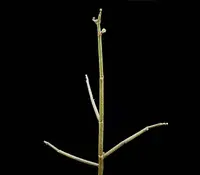
Euphorbia bosseri is a succulent shrub from Madagascar, valued for its thick, often knobbly stems and small, clustered leaves at the growing tips. It typically forms a compact, sculptural plant that suits pots and dry, bright spaces.

In nature it grows in arid, rocky habitats, which explains its strong drought tolerance and dislike of waterlogged soil. Once established, it is relatively slow-growing and can live many years with stable conditions.

Because it stores water in its stems, it forgives occasional missed waterings but reacts poorly to constant moisture and cold. Understanding how to care for Euphorbia bosseri starts with providing strong light, fast-draining soil, and careful watering.

Main Plant Requirements

Care Difficulty

Moderate Care

Light Preference

Full Sun

Water Requirements

Low Water

Temperature Preference

Tropical / Frost Sensitive

Hardiness Zone

10–11

Soil Texture

Sandy, Loamy, Rocky

Soil pH

Slightly acidic (6.5–7.0), Neutral (7.0)

Soil Drainage

Well-drained

Fertilization

Minimal (feed rarely)

Get Personalized Care Plan

Scan your plant to receive care tips personalized for your specific plant

Available on iOS and Android

How to Care for the Euphorbia bosseri

This drought-tolerant succulent prefers strong light that mimics its bright, arid native habitat.

  • Provide 6–8 hours of direct sun daily in mild climates, or 4–6 hours of morning sun plus bright, filtered light in hotter regions.
  • Allow some afternoon shade in summer; intense mid‑day sun can scorch stems, causing yellow or brown patches and corky scars on the surface.
  • In winter, maximize light exposure; if grown indoors, place Euphorbia bosseri at the brightest south- or west-facing window to prevent weak, stretched growth.

This species stores water in its stems and needs infrequent, careful watering to avoid root problems.

  • Water only when the top 3–5 cm of soil are completely dry; in active growth this may be every 10–21 days depending on heat, pot size, and soil mix.
  • Use very fast-draining, gritty soil and let excess water run freely out of the drainage holes to reduce the risk of root rot and fungal issues.
  • Reduce watering sharply in winter, giving just enough to prevent shriveling; soft, yellowing, or split stems usually indicate chronic overwatering.

This succulent prefers warm, dry conditions and is sensitive to frost and prolonged cold.

  • Aim for 70–85°F (21–29°C) during active growth, with good airflow and low to moderate humidity for stable Euphorbia bosseri care.
  • Protect from temperatures below 40°F (4°C); brief dips to 35°F (2°C) may be survived if dry, but freezing conditions can permanently damage tissues.
  • In very hot weather above 95°F (35°C), provide light shade and avoid overhead watering during peak heat to limit sunburn and sudden tissue cracking.

This species tolerates low household humidity and rarely needs special adjustments.

  • Ideal humidity is around 30–50%, matching most heated indoor environments.
  • Plants tolerate drier air if watering is correct, as stems store moisture.
  • Humidity stress appears as soft, collapsing stem tissue, usually from excess moisture rather than air dryness.

This succulent requires a very fast-draining, mineral-based substrate to prevent root and stem rot.

  • Use a gritty mix such as 50–60% inorganic material (pumice, coarse sand, or perlite) with 40–50% cactus potting mix.
  • Aim for a slightly acidic to neutral pH of about 6.0–7.0, which suits Euphorbia bosseri in cultivation.
  • Increase aeration by including chunky components (pumice, gravel, or coarse perlite) rather than fine sand that can compact.
  • Avoid heavy, peat-rich, or clay soils that hold water, as these quickly lead to root damage and fungal problems.

This species is well suited to container cultivation due to its compact, succulent growth.

  • Choose a pot only slightly wider than the root mass to keep the mix drying at a controlled rate.
  • Select a heavy ceramic or clay container if plants become top-heavy, to reduce the risk of tipping.
  • Ensure the potting mix sits above drainage holes with a flat base, not saucer-shaped zones that trap residual water.

Feed Euphorbia bosseri modestly to support growth without forcing soft, weak tissues.

  • Use a balanced liquid fertilizer (around 10-10-10) at 1/4–1/2 strength for container plants in very free-draining soil.
  • Apply every 4–6 weeks during active growth in spring–summer, only when the plant is healthy and light is strong.
  • Skip fertilizer in fall–winter or any dormant period to avoid root burn and stretched, etiolated growth.
  • Avoid compost-rich mixes; this species prefers lean, mineral substrates with limited organic matter.

Pruning needs are low, mainly to maintain safety and a clean outline.

  • Carry out light pruning in late spring or early summer when growth is active and healing is faster.
  • Remove only dead, damaged, or badly crossing branches, as heavy cutting can distort Euphorbia bosseri.
  • Use sharp, clean bypass pruners and wear gloves, since the white sap is irritating to skin and eyes.
  • Shape by shortening overly long stems just above a node, then allow new side shoots to develop naturally.

Container-grown plants benefit from careful, infrequent repotting to avoid disturbing the brittle roots.

  • Repot every 3–4 years or when roots circle the pot, drainage slows, or growth declines despite good light.
  • Choose late spring, just before strong active growth, so Euphorbia bosseri can re-establish quickly in fresh substrate.
  • Move into a pot only 2–3 cm wider, using a gritty, fast-draining cactus mix to limit excess moisture around roots.
  • Minimize root disturbance, water lightly once, then keep slightly on the dry side for 1–2 weeks to reduce transplant shock.

Propagation is usually done from cuttings but must be handled carefully due to irritant sap.

  • Take semi-ripe stem cuttings in late spring–summer, choosing firm, healthy segments with several nodes.
  • Allow cut ends to stop bleeding and callus for 2–3 days in a dry, shaded place before planting.
  • Insert cuttings into a sterile, gritty mix, keep slightly warm (70–80°F), and maintain only light, occasional moisture.
  • Seed can be sown in spring on a well-drained mix, with bright light and steady warmth to support germination.

This species dislikes prolonged cold and needs protection in regions with freezing winters.

  • Keep plants in temperatures above 45–50°F; avoid frost exposure, especially for young or potted specimens.
  • Move container plants indoors or into a cool, very bright greenhouse before nighttime lows approach freezing.
  • Water sparingly in winter so the soil stays mostly dry, which reduces cold-related root damage and rot.

Care Tips

Handle Sap Safely

Wear gloves and avoid touching your face when cutting or repotting, since the milky latex sap can irritate skin and eyes; rinse tools and any sap spills with plenty of water after work.

Gradual Light Shifts

When moving the plant between indoor and outdoor positions or closer to a window, increase light exposure over 7–10 days to prevent sunscald on the stems.

Controlled Stem Support

Use low, discreet stakes or a small ring support to keep tall, succulent stems upright, tying loosely with soft ties so the tissue is not compressed or scarred as it thickens.

Targeted Pest Monitoring

Inspect stem joints and the base of new growth every 1–2 weeks with a hand lens, since mealybugs and scale often hide in these areas and are easiest to remove with cotton swabs and alcohol when numbers are still low.

Cool-Season Resting

In late autumn, reduce disturbance, avoid repotting, and keep the root zone dryish so the plant can complete its natural rest period, which improves overall vigor when growing Euphorbia bosseri in the following warm season.

Common Pests and Diseases

Spider mites

This pest often appears on stressed, very dry plants and causes fine webbing, stippling, and a dull, dusty look on the stems and leaves. Symptoms include slowed growth and tiny yellow or pale spots where sap has been removed.

Solution

Rinse the plant thoroughly under a gentle stream of lukewarm water, including the undersides of any leaves and all stem joints, then allow it to dry in good air circulation. If mites persist, apply a horticultural oil or insecticidal soap labeled for succulents every 7–10 days, and slightly increase ambient humidity without overwatering the soil.

Mealybugs

These insects hide in stem joints and along the ridges of the succulent stems, leaving cotton-like white clusters and sticky honeydew. Symptoms include deformed new growth and slow decline if colonies become dense.

Solution

Remove visible insects with a cotton swab dipped in 70% isopropyl alcohol, then lightly mist or wipe the affected areas with the same solution, avoiding runoff into the soil. Repeat inspections weekly and isolate the plant until no new insects appear; for heavier infestations, use an insecticidal soap suitable for succulents according to label directions.

Scale insects

This pest forms small, hard, brown or tan bumps along stems and at the base of spines, often blending with the barky tissue of older growth. Symptoms include localized yellowing, sticky residue, and gradual loss of vigor.

Solution

Gently scrape or pry off individual scales with a fingernail or soft tool and wipe stems with a cloth lightly moistened with 70% isopropyl alcohol. For persistent colonies, apply a horticultural oil during the plant’s active growth period, ensuring full coverage of stems while keeping the soil surface protected from excess chemical contact.

Powdery mildew

This disease can develop on thinner leaves or young shoots in humid, stagnant air, forming a white, powdery coating. Symptoms include distorted new growth and a dull, grayish appearance of affected tissues.

Solution

Improve air circulation and avoid overhead watering, especially in cool conditions, then remove heavily affected leaves if present. If needed, use a sulfur-based or potassium bicarbonate fungicide labeled for ornamental succulents, applying lightly to the foliage and young stems and repeating as directed until new growth stays clean.

Latex burn and secondary infection

Symptoms include localized black or brown sunken spots where the milky sap has irritated plant tissue, sometimes followed by softening and fungal invasion in very humid or poorly ventilated conditions. This issue is more common where stems are cut or damaged and the latex is not allowed to dry cleanly.

Solution

When pruning or after accidental damage, allow the cut surface to dry quickly in bright, indirect light and good air movement, and avoid getting the area wet for 24–48 hours. If black, soft tissue develops, trim back to firm, healthy tissue with a sterile blade, dust the wound lightly with a dry sulfur or cinnamon powder, and keep the plant in a dry, warm spot while monitoring for further spread as part of systematic Euphorbia bosseri care instructions.

Interesting Facts

Madagascar dry-forest endemic

This species is native to dry deciduous forests of southwestern Madagascar, where it grows on rocky, limestone-rich slopes exposed to intense sun and seasonal drought.

Bottle-shaped caudiciform stem

It develops a swollen, bottle-like base known as a caudex that stores water and nutrients, allowing the plant to survive long dry periods in its habitat.

Distinctive branching pattern

The plant typically produces a few stout, upright branches from the caudex, giving it a miniature tree or shrub-like silhouette that is quite different from many flat-stemmed succulents in the same genus.

FAQs about Euphorbia bosseri

Lack of flowering usually comes from insufficient seasonal rest, low light, or overly rich, frequent watering that prevents a dry, cool pause. Provide strong light, a drier, cooler rest period, and avoid heavy feeding right before its flowering season.

Grow Healthy Plants with Botan Care

Keep your plants happy and healthy with plant identification, disease detection, and easy care guidance.

Botan plant care app — identify plants on mobile

Explore More Plants