Use sturdy supports
Install a low wire fence or short stakes around the plant early in the season so the many berry-laden branches are held upright and do not snap under their own weight.

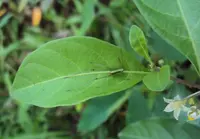
Twoleaf nightshade, Solanum diphyllum, is a small evergreen shrub from tropical Mexico and Central America. It is grown mainly for its ornamental berries and tidy form. The plant carries paired, glossy leaves and clusters of yellow star-shaped flowers that mature into round berries, which turn from green to bright yellow and then dark purple. It often stays compact, making it suitable for containers in warm climates or as a seasonal accent in cooler areas. It prefers bright light, moderate moisture, and well-drained soil. Basic knowledge of how to care for twoleaf nightshade helps keep it healthy and fruiting reliably.

Care Difficulty
Moderate Care

Light Preference
Partial Sun

Water Requirements
Moderate Water

Temperature Preference
Warm Climate

Hardiness Zone
9–11

Soil Texture
Sandy, Loamy, Organic-rich

Soil pH
Acidic (5.5–6.5), Slightly acidic (6.5–7.0)

Soil Drainage
Moist but well-drained

Fertilization
Light (every 4–6 weeks)
Scan your plant to receive care tips personalized for your specific plant
Available on iOS and Android
This shrub prefers bright outdoor conditions with protection from harsh extremes.
This species prefers evenly moist but never waterlogged soil.
This plant performs best in warm, frost-free conditions outdoors.
This species handles typical home humidity but benefits from slightly moist air in very dry climates.
Solanum diphyllum prefers loose, well-aerated soil that drains quickly yet holds some moisture.
This species grows reliably in containers when the pot supports its bushy, berry-bearing habit.
This shrub responds well to modest feeding, so light, consistent nutrition supports growth and berry production in twoleaf nightshade.
Solanum diphyllum benefits from occasional structured pruning to maintain a compact, flowering shrub form.
This species is often grown in the ground, but container plants or young shrubs benefit from careful transplanting to sustain healthy growth.
This shrub is commonly propagated from both semi-ripe cuttings and seeds, giving flexible options for home growers.
This evergreen shrub is tender to moderate frost, so winter care matters in cooler climates.

Plant Health Check
Not sure what's wrong with your plant? Check your plant's health inside the app.
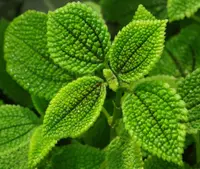
This species usually produces leaves in closely paired sets along the stem, with each pair often differing slightly in size, which gives rise to its common name, twoleaf nightshade.
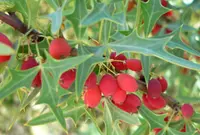
The plant forms small green berries that ripen to a glossy yellow, so a single plant can show both green unripe and bright yellow ripe fruits at the same time, making it visually distinctive among ornamental nightshades.
Like many Solanum species, its berries are considered toxic to humans and pets if ingested, yet birds eat the fruits and disperse the seeds, helping the plant spread in suitable climates.

In some mild-climate regions outside its native range in Mexico and Central America, this species has escaped cultivation and naturalized in disturbed sites and urban areas, which has led to it being monitored or locally listed as a potentially invasive ornamental shrub.
All parts of this species are considered toxic if eaten, especially the unripe berries and leaves. Ingestion may cause gastrointestinal and neurological symptoms. Keep it away from children, dogs, cats, and grazing animals.
Keep your plants happy and healthy with plant identification, disease detection, and easy care guidance.