Castanopsis indica Care

Castanopsis indica

About Castanopsis indica

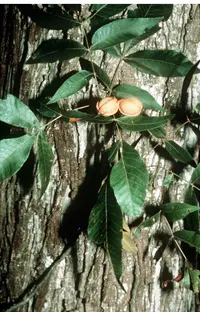
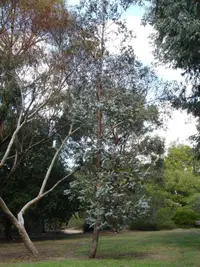
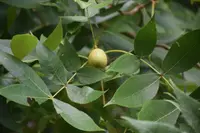
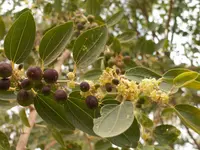
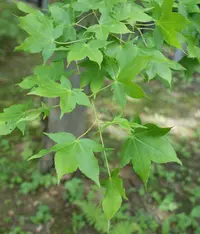
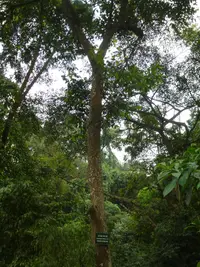
Castanopsis indica, often called Indian chestnut, is an evergreen tree from the beech family. It forms a dense, rounded crown with leathery, glossy green leaves. Mature trees produce small, spiny-cupped nuts that resemble chestnuts, adding seasonal interest. The bark is usually dark and furrowed, giving older trees a strong, textured appearance.

This species is native to the Himalayan region and parts of Southeast Asia, where it grows in warm, humid forests. It prefers mild climates, consistent moisture, and well-drained, slightly acidic soil. In suitable conditions, it is a long-lived, resilient tree, though its size and climate needs mean that how to care for Castanopsis indica is more relevant to gardens and landscapes than to indoor settings.

Main Plant Requirements

Care Difficulty

Moderate Care

Light Preference

Partial Shade

Water Requirements

Regular Water

Temperature Preference

Warm Climate

Hardiness Zone

9–11

Soil Texture

Loamy, Sandy, Organic-rich

Soil pH

Acidic (5.5–6.5), Slightly acidic (6.5–7.0)

Soil Drainage

Moist but well-drained

Fertilization

Minimal (feed rarely)

Get Personalized Care Plan

Scan your plant to receive care tips personalized for your specific plant

Available on iOS and Android

How to Care for the Castanopsis indica

This evergreen tree prefers bright, indirect to lightly filtered sun similar to its native forest edges.

  • Provide 4–6 hours of morning sun with light dappled shade or high, open shade in the afternoon to prevent leaf scorch.
  • Tolerates partial shade, but very dense shade reduces growth, thins the canopy, and may cause sparse, elongated shoots over several seasons.
  • Young Castanopsis indica benefit from some seasonal adjustment, such as temporary shade cloth in hot, dry summers and slightly more open exposure in mild winters.

This species prefers consistently moist but not waterlogged soil, especially while establishing.

  • Allow the top 3–5 cm of soil to dry before deep watering, aiming for slow soaking that reaches the root zone rather than frequent light splashes.
  • In summer, monitor more closely during hot, dry spells; in cool or rainy seasons, extend intervals and skip watering if soil already feels evenly moist.
  • Watch for overwatering signs such as yellowing leaves and soft new growth, and underwatering signs like dull, curling leaves and dry soil pulling from the surface; improve drainage if puddles remain after 30 minutes.

This warm-temperate to subtropical tree performs best in mild, frost-free climates.

  • Optimal growth occurs around 65–80°F (18–27°C), with steady conditions supporting stronger shoots and denser foliage.
  • Mature trees may tolerate brief drops near 28–30°F (-2 to -1°C), but young plants are more cold-sensitive and benefit from wind protection and mulch over roots.
  • Heat tolerance is moderate; in sustained 90–100°F (32–38°C) conditions, provide extra soil moisture and light afternoon shade to limit leaf scorch and stress.

This species prefers moderately humid air and reacts to very dry conditions over time.

  • Aim for 50–70% humidity, as prolonged exposure below 40% can slow growth and increase leaf edge browning.
  • Dry indoor air causes crispy margins, dull foliage, and stalled new shoots, especially in heated rooms.
  • Increase humidity with grouped plants, a nearby humidifier, or an evaporative tray, but keep foliage dry to limit fungal issues.

Castanopsis indica grows best in deep, moist, well-drained, organically enriched soil.

  • Use a loamy structure that holds moisture yet drains freely, combining garden loam with leaf mold or compost for organic matter.
  • Ensure drainage by incorporating coarse sand or fine gravel at 15–25% of the mix to prevent waterlogging around the root zone.
  • Target a slightly acidic to neutral pH of 5.5–7.0, avoiding strongly alkaline sites that can limit nutrient uptake and cause chlorosis.
  • Avoid compacted clay or heavily waterlogged conditions; improve aeration with coarse bark or perlite blended through the planting zone.

This species can be grown in containers when young or kept dwarf, but it needs thoughtful pot choice for root space and stability.

  • Choose a deep, heavy container that resists tipping as the woody canopy gains height and mass.
  • Select thick-walled terracotta or similar porous materials to moderate moisture and reduce the risk of chronic root saturation.
  • Position the container where excess water drains freely away, not in saucers or decorative sleeves that hold runoff against the base.

Nutrient inputs support healthy growth of Castanopsis indica in cultivation, especially in poor or confined soils.

  • Use a slow-release, balanced NPK fertilizer (such as 10-10-10) or well-rotted compost as the main nutrient source.
  • Apply a light dose every 6–8 weeks during the warm growing season, avoiding midsummer heat extremes.
  • Reduce feeding in late fall and winter, or stop entirely where growth slows or trees are evergreen-dormant.
  • Use fertilizers at 1/2 label strength for container plants and water before and after to limit root burn.

Structural pruning helps maintain safe, balanced canopy development in Castanopsis indica.

  • Carry out pruning in late winter or very early spring before active growth starts.
  • Remove dead, diseased, crossing, or inward-growing branches to improve airflow and reduce pest and disease issues.
  • Thin crowded interior shoots rather than shortening all tips, preserving the tree’s natural form.
  • Use clean, sharp bypass pruners or a pruning saw and make cuts just outside the branch collar.

This species is usually grown in the ground, so focus on careful transplanting of young Castanopsis indica trees.

  • Plan transplanting for late winter or early spring, before strong new growth and in mild, moist weather.
  • Look for circling roots, tight containers, or stalled growth in nursery stock as signals to move up a size or plant out.
  • Dig a wide planting hole, gently loosen outer roots, and set the root flare at soil level to prevent rot.
  • Water slowly and deeply after planting, mulch 5–8 cm thick, and keep soil evenly moist for the first growing season to reduce stress.

Propagation of Castanopsis indica is possible but generally slower and more specialized than many ornamental shrubs.

  • Use fresh seeds collected in fall, sowing them promptly after removing any outer husk.
  • Stratify seeds at 35–40°F in moist substrate for 2–3 months to break dormancy, then move to 65–75°F for germination.
  • Provide bright, indirect light, evenly moist but not waterlogged medium, and good air circulation for seedlings.
  • Allow seedlings to form sturdy root systems before potting up or planting out, usually after 1–2 seasons.

Mature Castanopsis indica is moderately cold tolerant in mild-winter regions but young trees benefit from some winter attention.

  • Mulch the root zone with 5–8 cm of organic material, keeping mulch a few cm away from the trunk.
  • In areas with occasional frost, wrap young trunks with breathable tree wrap to limit bark damage.
  • Grow container plants in sheltered spots and move them into a cool, frost-free location during hard freezes.

Care Tips

Windfirm training

In the first 3–5 years, selectively shorten or remove competing leaders and strongly upright side shoots so the tree develops one dominant trunk that resists storm damage as it matures.

Mulch root zone

Maintain a 5–8 cm layer of coarse organic mulch in a wide ring around the tree, keeping it 5–10 cm away from the trunk, to stabilize soil moisture, cool the roots, and reduce weed competition.

Check root flare

When planting or inspecting an established tree, ensure the root flare (where the trunk widens at the base) is at or slightly above soil level, and gently remove excess soil or mulch burying it to prevent rot.

Seasonal pest scouting

From spring to early autumn, inspect the undersides of leaves and young shoots every 2–3 weeks for scale insects, caterpillars, or leaf miners, and treat early with targeted horticultural oil or biological controls if populations increase.

Storm and snow management

In areas with heavy wind or wet snow, thin out weak, crossing, or heavily crowded branches during the dormant season so the canopy is more open and less prone to limb breakage under load when growing Castanopsis indica.

Common Pests and Diseases

Leaf miner larvae

This pest creates narrow, winding tunnels inside young leaves, causing pale trails, blotches, and distorted growth. Symptoms include reduced photosynthesis and premature yellowing of affected foliage.

Solution

Remove and destroy mined leaves as soon as they are noticed to break the life cycle, and encourage natural predators by avoiding broad-spectrum insecticides. For heavier infestations, use a systemic insecticide labeled for leaf miners, applying to soil around the root zone and keeping the tree well watered but not waterlogged to support recovery.

Tea mosquito bug

This pest feeds on tender shoots and young leaves, leaving brownish lesions, shot holes, and tip dieback on new growth. This insect is more common in warm, humid regions where Castanopsis is grown near tea or related crops.

Solution

Prune and dispose of heavily damaged shoot tips, then monitor new flushes of growth closely for fresh feeding marks. Where pressure is high, use targeted insecticides such as neem-based sprays or contact insecticides in the evening, focusing on young shoots and undersides of leaves, and avoid overhead watering that prolongs leaf wetness.

Leaf spot fungus

This disease produces small, brown to dark olive spots on leaves that may coalesce into larger dead patches, sometimes with a yellow halo. Symptoms include early leaf drop, especially in dense, shaded, or poorly ventilated plantings.

Solution

Collect and remove fallen leaves and heavily spotted foliage to reduce fungal spores, and thin nearby vegetation to increase light and airflow, which is an important part of Castanopsis indica care instructions. In persistent cases, apply a copper- or chlorothalonil-based fungicide during warm, wet periods, making sure foliage dries quickly after rainfall or irrigation.

Powdery mildew

This disease causes a white, powdery coating on young leaves and shoots, which can lead to curling, distortion, and reduced growth. Symptoms include dull, faded foliage and a rough texture on affected surfaces.

Solution

Improve air circulation by spacing plants properly and selectively pruning dense interior branches, and avoid high-nitrogen fertilization that promotes overly soft, susceptible growth. At early signs, treat with sulfur, potassium bicarbonate, or horticultural oil labeled for powdery mildew, spraying in the cooler part of the day and repeating as directed until new growth emerges clean.

Scale insects

These insects appear as small, fixed bumps on twigs, petioles, and undersides of leaves, feeding on sap and causing yellowing, reduced vigor, and sticky honeydew deposits. This pest often attracts sooty mold, which blackens leaf surfaces and further reduces photosynthesis.

Solution

Gently scrape or wipe off light infestations with a soft cloth or brush dipped in mild soapy water, and prune branches that are heavily encrusted. For broader infestations, apply horticultural oil during the crawler stage or use a suitable systemic insecticide, while monitoring for ants that protect scales and managing them to help natural predators control the population.

Interesting Facts

Key Himalayan food source

In its native range from the eastern Himalayas to Southeast Asia, this evergreen tree produces nuts that are an important seasonal food for wildlife such as macaques, squirrels, and various birds, helping sustain forest animals outside peak fruiting seasons of other trees.

Evergreen oak relative

Although it resembles a chestnut, this species is actually closer to evergreen oaks within the beech family Fagaceae, with leathery, glossy leaves and cup-like nut coverings that play a role in identifying and classifying the genus.

Role in cloud forests

In mid‑elevation, moist mountain forests, its dense, persistent canopy intercepts fog and drizzle, contributing to cloud water capture that slowly drips to the forest floor and supports understory plants and stream flow.

Botan icon

Did you know?

In parts of the eastern Himalayas and adjoining regions, this species often becomes a dominant canopy tree in mature broadleaf forests, forming extensive stands that can shape the entire forest structure, light conditions, and soil properties for many associated plant and animal species.

FAQs about Castanopsis indica

Growth is moderately fast for a broadleaf evergreen tree, typically adding 30–60 cm per year under suitable conditions. Rate depends on climate, soil fertility, and moisture. Young trees often grow faster, then slow as they approach maturity.

Grow Healthy Plants with Botan Care

Keep your plants happy and healthy with plant identification, disease detection, and easy care guidance.

Botan plant care app — identify plants on mobile

Explore More Plants