weeping milk cap Care (Lactifluus volemus)

Also known as: voluminous-latex milky
weeping milk cap

About weeping milk cap

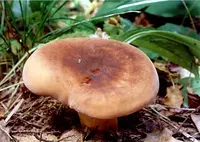
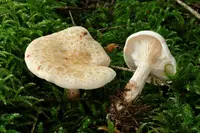
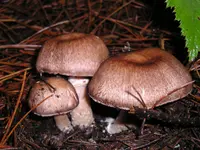
The weeping milk cap, Lactifluus volemus, is a mycorrhizal mushroom that forms a symbiotic partnership with tree roots, especially in forests with beech or oak. It produces firm, orange-brown caps and thick, white milk that stains the gills and surrounding tissue.

This fungus typically appears on the forest floor in summer and autumn, often in groups rather than alone. Its growth depends heavily on the presence of suitable host trees and undisturbed soil.

Because it relies on complex root relationships, it is difficult to cultivate in gardens or containers. Those who want to learn how to care for weeping milk cap usually focus on conserving or mimicking its natural woodland habitat.


Main Plant Requirements

Care Difficulty

Hard Care

Light Preference

Partial Shade

Water Requirements

Keep Soil Moist

Temperature Preference

Cool Climate

Hardiness Zone

Unknown

Soil Texture

Loamy, Peaty, Organic-rich

Soil pH

Strongly acidic (4.5–5.5), Acidic (5.5–6.5)

Soil Drainage

Moist but well-drained

Fertilization

Minimal (feed rarely)

Get Personalized Care Plan

Scan your plant to receive care tips personalized for your specific plant

Available on iOS and Android

How to Care for the weeping milk cap

This ectomycorrhizal fungus prefers dappled forest light similar to its natural woodland habitat.

  • Provide bright shade or filtered light under trees, mimicking light that filters through a deciduous canopy for 2–4 hours around morning or late afternoon.
  • Avoid full, unfiltered midday sun; more than 1–2 hours of direct overhead light can dry the substrate and stress developing Lactifluus volemus fruiting bodies.
  • Ensure at least light, open shade rather than deep, dense shade; very dark sites reduce fruiting, so choose spots with shifting, speckled light across the day.

This fungus depends on consistently moist, well‑drained soil around its tree partners for reliable fruiting.

  • Maintain evenly moist mineral soil, allowing only the top 1–2 cm to lightly dry between rains or supplemental watering in dry spells.
  • Use well‑drained ground with leaf litter and avoid waterlogged or compacted sites, which encourage rot and reduce healthy mycelium spread in Lactifluus volemus.
  • In hot, dry periods, monitor for cracking soil or shrinking caps as signs of drought stress, and increase gentle, ground‑level watering without creating standing puddles.

This woodland species fruits best in mild to warm conditions typical of late spring to early autumn.

  • Optimal fruiting usually occurs around 60–75°F (16–24°C), especially when soil stays cool and moist under partial canopy cover.
  • It tolerates cooler nights down to about 40°F (4°C) in soil, but hard frosts near 32°F (0°C) can damage existing fruiting bodies and pause development.
  • Sustained heat above 85°F (29°C), especially with dry winds and full sun, shortens cap lifespan, so shaded, humid microclimates help moderate temperature extremes.

This ectomycorrhizal fungus needs consistently moist, not saturated, conditions rather than specific air humidity control.

  • Aim for ambient humidity around 60–80% by choosing naturally humid, shaded outdoor sites instead of dry, exposed spots.
  • Avoid very dry, windy locations, which speed substrate drying and can cause caps to crack and mycelium to stall.
  • If conditions are arid, use organic mulch over the rooting zone to slow evaporation and buffer short dry spells for weeping milk cap.

This mycorrhizal mushroom requires a suitable outdoor forest-like substrate rather than conventional potting soil.

  • Use loose, well-aerated, humus-rich soil with plenty of decomposed leaf litter over a loamy or sandy-loam mineral layer for Lactifluus volemus.
  • Ensure free drainage; soil should drain within a few minutes after heavy rain, without puddling or stagnant water around host tree roots.
  • Target slightly acidic soil, roughly pH 5.0–6.5, which supports both the host tree and stable ectomycorrhizal colonization.
  • Improve structure and aeration by mixing in shredded leaf mold, fine bark, and a little sharp sand, while avoiding heavy clay or compacted, fertilized turf soil.

This species is not realistically suitable for container growing, because it relies on complex ectomycorrhizal relationships with trees in open soil.

Lactifluus volemus is a wild mycorrhizal mushroom that normally does not require fertilization when grown in suitable soil with a host tree.

Lactifluus volemus does not need pruning because it is a fruiting mushroom, not a woody or leafy plant.

Transplanting focuses on establishing the fungus with an appropriate host tree rather than moving mature fruiting bodies.

  • Plant host trees (often beech or other compatible species) in well-drained, low-disturbance ground; the fungus associates naturally with fine feeder roots.
  • Avoid frequent moving; once the mycelium colonizes soil around roots, disturbance can reduce fruiting and delay mushroom production.
  • Time any tree planting or site adjustment for cool, moist seasons (early spring or fall) to lower stress on roots and associated mycelium.
  • Water gently after planting and keep soil evenly moist, not waterlogged, so the fungal network recovers with minimal shock.

Reproducing Lactifluus volemus is specialized and mainly relies on spore dispersal and compatible tree associations, so routine home propagation is uncommon.

This ectomycorrhizal fungus is generally cold hardy in its suitable climate and needs no special winter protection once established with its host tree.

Care Tips

Establish host trees

Inoculate suitable host tree roots, such as beech or oak, with fresh spore slurry or colonized substrate placed in shallow holes around the drip line, then keep the area evenly moist for several months to allow the mycorrhiza (root–fungus partnership) to establish.

Use spore slurries

To expand a patch, blend mature caps with non-chlorinated water and a small amount of local soil, then pour this spore slurry over leaf litter in shaded areas near compatible trees to increase the chances of new colonies forming.

Protect fungal mycelium

Avoid deep digging, raking, or heavy foot traffic where fruiting bodies appear, and keep mower blades higher in these zones to prevent damage to the mycelium network that supports future mushroom flushes.

Leaf litter management

Maintain a loose, continuous layer of native leaf litter under host trees instead of bare soil or heavy mulch, as this helps retain moisture, moderates temperature, and supports the natural habitat needed for growing weeping milk cap.

Monitor seasonal patterns

Keep a simple log of rainfall, temperatures, and fruiting dates at each site so you can better time irrigation, reduced mowing, and access restrictions to support reliable fruiting in future years.

Common Pests and Diseases

maggot infestation

This pest targets the mushroom flesh, with larvae tunneling through caps and stems and leaving brown, water-soaked galleries. Symptoms include soft spots, small entrance holes, and rapid decay of affected fruiting bodies.

Solution

Harvest mushrooms promptly when mature, remove and discard any infested or soft fruiting bodies, and avoid leaving old mushrooms to decompose on site, since they attract egg‑laying flies. Where allowed, use fine mesh covers over small cultivation beds to reduce adult fly access and improve site hygiene as part of Lactifluus volemus care instructions.

slugs and snails

These pests feed on young and mature fruiting bodies, creating irregular holes and shredded edges on caps. Symptoms include slime trails on or near mushrooms and partial or complete loss of caps overnight.

Solution

Hand-pick slugs and snails in the evening or early morning, remove nearby debris that provides hiding spots, and use physical barriers such as copper tape or coarse grit around small cultivated patches. Keep the area reasonably clean of decaying plant material to reduce shelter and feeding opportunities.

fungal parasitism

This disease involves secondary fungi colonizing the mushroom surface, often appearing as white, gray, or green patches on caps and stems. Symptoms include distortion, premature collapse of fruiting bodies, and a cottony or powdery growth over parts of the mushroom.

Solution

Remove and dispose of affected mushrooms promptly to limit spread and avoid leaving decaying fruiting bodies in place. Maintain good airflow around the growing area, avoid excessive surface wetting, and thin dense ground vegetation so that mushrooms dry quickly after rain or irrigation.

bacterial blotch

This disease causes brown, greasy, or slimy spots on caps, especially in humid, stagnant conditions. Symptoms include localized softening of tissue and an unpleasant odor as the spots expand.

Solution

Harvest mushrooms as soon as they reach usable size and discard any with slimy or foul-smelling patches. Reduce prolonged surface moisture by improving air circulation, spacing fruiting patches so they dry faster, and avoiding overhead watering directly onto developing fruiting bodies in managed settings.

mite damage

These insects or micro-arthropods feed on gills and cap surfaces, leaving fine pitting, pale speckling, or powdery frass on the mushroom. Symptoms include reduced spore production and a roughened or dulled cap surface.

Solution

Remove heavily damaged mushrooms to reduce local mite populations and organic debris that shelters them. Keep the surrounding substrate clean of excess decaying material, and in small controlled setups, briefly chill harvested mushrooms to discourage mites before storage, while maintaining the natural soil ecosystem outdoors without broad-spectrum chemical treatments.

Interesting Facts

Abundant milk production

This mushroom releases large amounts of white, carrot-smelling latex when cut or damaged, far more than many related milkcap species, which is the origin of its common name weeping milk cap.

Distinctive fishy aroma

Mature fruiting bodies often develop a noticeable herring- or fish-like odor, a trait used by field mycologists to distinguish it from similar orange-brown milkcaps.

Widespread mycorrhizal partner

It forms ectomycorrhizal associations with a range of broadleaf trees, especially beech and oak, helping the trees absorb water and nutrients in exchange for sugars, and is found across temperate regions of Europe, Asia, and North America.

Botan icon

Did you know?

In some regions of eastern Asia and parts of Europe, this mushroom is so highly regarded as an edible species that it is traditionally collected in large quantities, with local markets selling baskets of its orange-brown caps during its main fruiting season.

FAQs about weeping milk cap

This mushroom is considered edible and is used as food in several regions. Correct identification is critical, since some orange milk caps are inedible or mildly toxic. Always confirm with a reliable field guide or expert before eating.

Grow Healthy Plants with Botan Care

Keep your plants happy and healthy with plant identification, disease detection, and easy care guidance.

Botan plant care app — identify plants on mobile

Explore More Plants