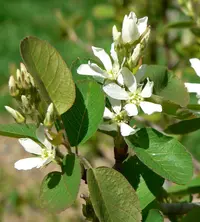
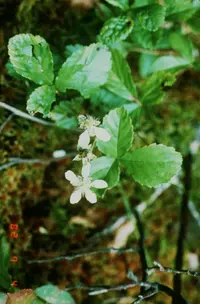
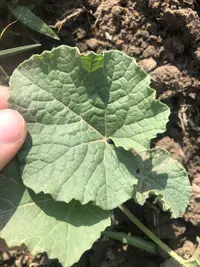
currant Care (Ribes spicatum)

currant

About currant

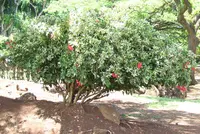
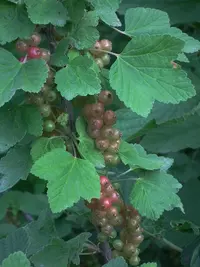
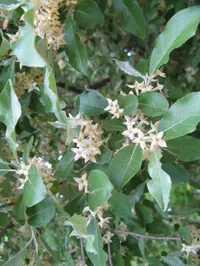
Ribes spicatum, often called red currant, is a deciduous shrub grown mainly for its clusters of bright, glossy berries and fresh green foliage. Plants form a multi-stemmed, upright shape and fit well into small gardens or mixed borders.

This species is native to northern and central Europe, where it grows in cool, moist woodlands and open scrub. It is generally considered manageable for home gardeners, provided it receives adequate sunlight, even moisture, and fertile, well-drained soil.

Understanding how to care for currant becomes easier once its preference for cool conditions, regular pruning, and good air circulation is clear, which helps support reliable flowering and fruiting.

Main Plant Requirements

Care Difficulty

Moderate Care

Light Preference

Partial Sun

Water Requirements

Moderate Water

Temperature Preference

Cold Hardy

Hardiness Zone

3–7

Soil Texture

Loamy, Silty, Organic-rich

Soil pH

Acidic (5.5–6.5), Slightly acidic (6.5–7.0)

Soil Drainage

Moist but well-drained

Fertilization

Minimal (feed rarely)

Get Personalized Care Plan

Scan your plant to receive care tips personalized for your specific plant

Available on iOS and Android

How to Care for the currant

Ribes spicatum performs best with cool conditions and moderate direct sun exposure in open ground.

  • Provide 4–6 hours of direct sun daily, ideally morning sun with light afternoon shade, especially in hotter regions.
  • Tolerates partial shade (as little as 3–4 hours of sun), but fruiting and growth decline if light stays below this for long periods when caring for currant.
  • Avoid intense, unfiltered afternoon sun in summer, which can scorch leaves; use nearby taller plants or fencing to create dappled shade where summers are hot.

Ribes spicatum prefers consistently moist, well-drained soil without long dry spells or standing water.

  • Water when the top 3–5 cm of soil feels dry, applying a deep soak that moistens the root zone rather than frequent light splashes.
  • During spring and early summer growth, monitor weekly; in rainy periods reduce watering, and in heat waves check soil every 2–3 days for faster drying.
  • Use soil rich in organic matter that drains freely; yellowing, soft leaves suggest overwatering, while drooping with dry soil signals underwatering.

This species is a cold-hardy shrub that grows best in cool to mild climates with distinct seasons.

  • Active growth is strongest at 55–70°F (13–21°C); flowers and fruit set well in these mild conditions.
  • Plants tolerate winter lows down to about -20°F (-29°C) once established, but young shrubs benefit from mulch over the root zone in cold areas.
  • In summer, growth slows above 80°F (27°C); extended heat above 90°F (32°C) can stress plants, so provide mulch and light afternoon shade in hotter climates.

Ribes spicatum tolerates a wide humidity range and usually does not need special humidity management outdoors.

Ribes spicatum prefers deep, moisture-retentive yet free-draining soil for healthy root development and fruiting.

  • Use a loamy soil rich in organic matter that holds moisture but still feels crumbly in the hand.
  • Aim for a slightly acidic to neutral pH around 6.0–7.0, adding garden compost or well-rotted manure before planting.
  • Improve drainage and aeration on heavier clay by working in coarse sand or fine gravel along with plenty of organic material.
  • Avoid compacted sites, waterlogged beds, or very shallow stony ground that restricts root spread and causes stress.

This species can be grown in containers if the pot provides enough root space and stable moisture.

  • Choose a large, heavy container at least 40–50 cm deep to anchor the shrub and reduce tipping in wind.
  • Use a free-draining peat-free mix with extra compost and some grit so the root zone stays moist but not saturated.
  • Raise the pot slightly on feet or bricks so drainage holes stay clear and excess water escapes quickly after rain or watering.

Ribes spicatum responds well to modest feeding that supports steady growth and fruiting without excessive vigor.

  • Apply a balanced granular or slow-release NPK fertilizer (around 10-10-10) at the start of spring growth.
  • Supplement with a light top-dressing of compost once in spring to improve soil structure and nutrient supply when caring for currant.
  • Use fertilizer at 1/2 label strength on young or container plants to avoid root burn.
  • Stop feeding by late summer and avoid fertilizing during winter dormancy.

Ribes spicatum benefits from structured pruning to maintain an open, productive framework.

  • Carry out main pruning in late winter or very early spring, before buds break.
  • Remove dead, diseased, crossing, or very low branches with clean, sharp bypass pruners or loppers.
  • Thin crowded older stems to encourage light penetration, air flow, and strong new shoots.
  • Shape the shrub by retaining a mix of 1–3-year-old shoots for consistent flowering and fruiting.

This currant is usually grown in the ground, so focus on careful transplanting rather than frequent repotting.

  • Transplant young shrubs in early spring or fall when soil is moist and temperatures are mild.
  • Move plants if growth declines, roots circle the pot, or soil dries out very quickly in containers.
  • Dig a wide planting hole, keep the root ball intact, and water thoroughly to settle soil around roots.
  • Mulch and keep soil evenly moist for the first growing season to reduce transplant shock and support root establishment.

Ribes spicatum is commonly propagated from cuttings to maintain cultivar traits and predictable growth.

  • Take hardwood cuttings in late fall–winter or softwood cuttings in late spring–early summer.
  • Use 15–20 cm pieces with several buds, removing lower leaves on softwood material.
  • Insert cuttings into moist, free-draining medium and keep at 60–70°F with high humidity for rooting.
  • Seeds are possible but slower; stratify in cool, moist conditions for several months, then sow in spring.

This shrub is generally cold hardy and needs only basic winter care in most temperate climates.

  • Tolerates typical winter frosts once established, especially in well-drained soil.
  • Apply 5–8 cm of organic mulch around the root zone after soil cools, keeping it away from stems.
  • Avoid heavy late-season nitrogen so new shoots harden before freezing weather.
  • For container plants, move pots to a sheltered, unheated area to prevent root damage from deep freezing.

Care Tips

Encourage Cross-Pollination

Plant at least 2 genetically different currant bushes within 1–2 m to improve pollination and fruit set, and avoid relying on a single clone or cultivar for yield.

Use Renewal Pruning

Each late winter, remove 1–3 of the oldest, darkest stems at the base to keep a mix of 1–3-year-old wood, which carries the highest quality fruit.

Install Simple Support

Set up a low ring of soft twine or a wire frame around the shrub to hold branches slightly upright, which reduces fruit touching wet soil and makes harvesting easier.

Targeted Pest Monitoring

Inspect leaf undersides and shoot tips weekly in spring for aphids, sawfly larvae, and currant blister mites, and treat early with a strong water spray or an appropriate horticultural soap before damage escalates.

Mulch For Root Stability

Maintain a 5–8 cm layer of bark or woodchip mulch over the root zone, keeping it a few cm away from the stems, to stabilize soil moisture, suppress weeds, and protect fine feeder roots when growing currant.

Common Pests and Diseases

Currant blister aphid

This pest causes yellow to red blister-like swellings on young leaves as it sucks sap from the underside. Symptoms include distorted foliage and reduced vigor, especially on red and white currants.

Solution

Prune and discard heavily infested shoots in early spring, then regularly inspect and squash small colonies by hand or wash them off with a strong stream of water. For persistent infestations, use a soap-based insecticidal spray directed to the leaf undersides, and encourage natural predators such as lady beetles by avoiding broad-spectrum insecticides nearby.

Currant sawfly

These insects defoliate bushes rapidly; greenish, black-spotted larvae skeletonize leaves, often leaving only the midribs. Severe attacks weaken plants and reduce fruit size and yield.

Solution

Check plants frequently from spring onward and hand-pick or shake larvae onto a sheet for disposal at the first signs of feeding. Remove leaf litter under bushes to reduce overwintering pupae, and if needed apply a targeted biological insecticide containing spinosad or similar active ingredient, following label directions and treating when larvae are small.

Currant powdery mildew

This disease produces white, powdery fungal growth on young leaves, shoots, and sometimes berries, which later turn brown and felt-like. Symptoms include distorted new growth and reduced fruit quality.

Solution

Prune to open the center of the bush and remove infected shoot tips during dry weather, disposing of prunings away from the planting area. Improve air circulation, avoid overhead watering, and if disease pressure is high use a sulfur-based or potassium bicarbonate fungicide early in the season, repeating according to label directions.

Leaf spot

This disease causes small brown or purple spots on leaves that may merge, leading to premature leaf drop in midsummer. Symptoms include thinning foliage and reduced plant vigor over time.

Solution

Rake and destroy fallen leaves in autumn to reduce fungal spores, and avoid wetting foliage when watering. In sites with a history of leaf spot, start a preventive fungicide program in spring using a labeled product for currants, and maintain good spacing between bushes for better air movement.

Currant gall mite

These mites cause swollen buds that fail to open properly, often looking enlarged and misshapen, and they also transmit reversion virus in currants. Symptoms include poor flowering, reduced fruiting, and patches of weak growth.

Solution

Cut out and destroy swollen, abnormal buds and heavily affected shoots during dormancy, and replace severely affected bushes to reduce virus spread. Use certified, virus-free plants when establishing new plantings and avoid moving prunings or plant material from infested to clean areas to limit mite movement.

Interesting Facts

Northern European native

This species is naturally distributed in cool-temperate parts of northern and northeastern Europe, especially the Baltic region and Fennoscandia, where it grows in moist forests, scrub, and along stream banks.

Distinct leaf morphology

Compared with the closely related Ribes rubrum, it typically has more deeply lobed, duller green leaves with a slightly hairy underside, features used by botanists to separate the species in the field.

Berry color and chemistry

Its berries usually turn a bright red when ripe and are rich in organic acids and vitamin C, which give them a distinctly sharp, sour flavor that is valued in traditional preserves and juices in parts of northern Europe.

FAQs about currant

Yellowing leaves usually result from nutrient deficiency (especially nitrogen or iron), waterlogging, or natural aging of older foliage. Check drainage, avoid standing water, mulch lightly, and consider a balanced fertilizer or chelated iron if new leaves yellow first.

Grow Healthy Plants with Botan Care

Keep your plants happy and healthy with plant identification, disease detection, and easy care guidance.

Botan plant care app — identify plants on mobile

Explore More Plants