Vismia baccifera Care

Vismia baccifera

About Vismia baccifera

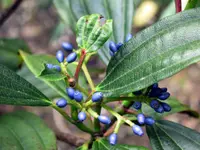
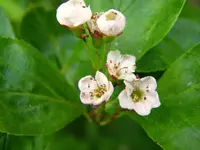
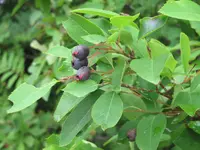
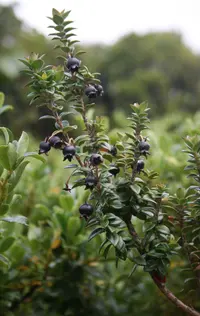
Vismia baccifera is a fast-growing tropical shrub or small tree native to Central and South American rainforests, often found in disturbed, sunny forest edges. It typically has upright, branching stems with simple green leaves and small, yellowish flowers followed by colorful berry-like fruits that attract wildlife. In its natural habitat it behaves as a pioneer species, meaning it colonizes open areas quickly and tolerates variable conditions. These traits suggest it can be relatively forgiving in cultivation, provided it has warmth, consistent moisture, and well-drained soil. For anyone looking to care for Vismia baccifera, the main challenges are providing enough light and maintaining a stable, frost-free environment.

Main Plant Requirements

Care Difficulty

Moderate Care

Light Preference

Partial Shade

Water Requirements

Moderate Water

Temperature Preference

Tropical / Frost Sensitive

Hardiness Zone

Unknown

Soil Texture

Loamy, Silty, Organic-rich

Soil pH

Acidic (5.5–6.5)

Soil Drainage

Moist but well-drained

Fertilization

Minimal (feed rarely)

Get Personalized Care Plan

Scan your plant to receive care tips personalized for your specific plant

Available on iOS and Android

How to Care for the Vismia baccifera

This tropical shrub prefers bright, indirect light with some protection from harsh midday sun.

  • Provide 4–6 hours of filtered sun daily, such as light morning sun followed by dappled shade under taller plants or a light canopy.
  • Tolerates partial shade, but dense shade reduces flowering and causes leggy growth; move gradually into brighter conditions if stems elongate or leaves pale.
  • Avoid intense afternoon sun in hot climates, which can scorch leaves; in winter, allow more direct light to compensate for shorter days.

Watering should keep the root zone evenly moist without staying saturated for long periods.

  • Let the top 2–4 cm of soil dry before watering again; use this finger check instead of a strict schedule, since sun, wind, and soil type change drying speed.
  • In warm, active growth periods, expect more frequent watering, while in cooler or overcast seasons, reduce frequency to avoid prolonged sogginess.
  • Ensure free drainage through loose, organic-rich soil; yellowing, soft leaves suggest overwatering, while crisp edges and drooping stems signal underwatering.

Stable, warm conditions support steady growth and help prevent stress-related leaf drop.

  • Aim for 70–85°F (21–29°C) for best growth, similar to lowland tropical conditions, with only small daily temperature swings.
  • The plant is highly sensitive to cold; growth slows below 60°F (16°C), and tissue damage can occur if exposed to around 40°F (4°C) or brief, light frost.
  • Short heat waves up to about 95°F (35°C) are tolerated if soil moisture is maintained and the plant has partial shade during the hottest hours.

This species prefers moderately humid air similar to a warm, sheltered tropical understory.

  • Aim for 50–70% relative humidity, using a room humidifier or grouping plants if indoor air is dry.
  • Tolerates brief dips to 35–40%, but leaf edges may brown and curl if dry air persists.
  • Watch for slow growth, limp young leaves, and crispy margins as signs of humidity stress and increase local moisture accordingly.

This shrub prefers loose, well‑aerated, organic‑rich soil that drains quickly but does not dry instantly.

  • Use a mix of 50% peat or coco coir, 30–40% compost, and 10–20% perlite or coarse sand for structure and drainage.
  • Aim for slightly acidic to neutral pH, around 6.0–7.0, which supports nutrient availability for Vismia baccifera.
  • Incorporate fine bark or leaf mold to mimic forest floor conditions and improve long‑term aeration.
  • Avoid heavy clay, compacted ground, or mixes that stay soggy, which increase root rot and nutrient imbalance risk.

This species can be grown in containers if the pot supports its woody root system and above‑ground weight.

  • Choose a deep, heavy pot that resists tipping as stems elongate and canopy mass increases.
  • Select a container material that slightly buffers moisture loss, such as thick plastic or glazed ceramic, to prevent rapid drying.
  • Elevate the pot on feet or a stand so drainage holes clear the surface and excess water exits immediately.

This species is usually adapted to low-nutrient soils, so fertilizing Vismia baccifera should stay light and conservative.

  • Use a balanced liquid fertilizer (for example 10-10-10 NPK) at 1/4–1/2 strength during the warm growing season.
  • Apply every 4–6 weeks only if growth is weak or foliage looks pale, and skip if growth is vigorous.
  • In winter or any cool, low-light period, stop feeding to avoid soft, weak growth.
  • If preferred, top-dress with a thin layer of well-rotted compost once per year instead of synthetic fertilizer.

Pruning Vismia baccifera is mainly about light shaping and sanitation rather than heavy cutting.

  • Carry out most pruning at the end of the dry or cool season, just before active growth resumes.
  • Remove dead, diseased, or storm-damaged branches first, cutting back to healthy wood with clean, sharp bypass pruners.
  • Thin out crossing or crowded stems to improve light penetration and air movement through the canopy.
  • Limit shaping cuts to young shoots to maintain natural form and avoid large wounds that heal slowly.

This shrub or small tree is more often transplanted in the ground than kept long term in containers.

  • Transplant at the start of the rainy or warm growing season so roots re-establish quickly after disturbance.
  • Look for slowed growth, roots circling the pot, or frequent wilting as signals that a container plant needs a larger space.
  • Choose a new hole or pot only 1–2 sizes larger, using a well-drained, slightly acidic mix to limit waterlogging stress.
  • Water thoroughly after planting, shade lightly for 1–2 weeks, and keep soil evenly moist until new growth confirms recovery.

Propagation of Vismia baccifera is possible by both seeds and semi-hardwood cuttings, though it may be slow.

  • Collect ripe seeds, clean the pulp, and sow them in a free-draining sterile mix kept at 70–80°F with consistently moist conditions.
  • Take semi-hardwood cuttings in warm weather, 10–15 cm long, with 2–3 nodes and at least one leaf retained.
  • Dip the cut base in a rooting hormone powder or gel to improve rooting percentage and reduce rot.
  • Place cuttings in bright, indirect light with high humidity, such as under a clear cover, until firm new growth appears.

Being a tropical species, this plant is sensitive to frost and requires protection in regions with cool winters.

  • In climates with temperatures below 40°F, grow in containers so plants can be moved indoors or into a greenhouse.
  • Maintain indoor temperatures above 55°F with bright, indirect light and slightly reduced watering in winter.
  • Apply a 5–8 cm mulch layer around outdoor plants in mild climates to buffer short cool spells and stabilize soil moisture.

Care Tips

Encourage bushier form

Pinch or lightly prune the soft tips of young shoots at the start of the growing season to encourage branching and a denser canopy instead of tall, sparse growth.

Refresh topsoil annually

Once a year, carefully scrape away 2–3 cm of the exhausted surface mix and replace it with fresh, well-drained substrate to restore nutrients and improve aeration without full repotting.

Monitor sap exudation

If stems are cut or damaged and release sap, allow wounds to dry and callus in good airflow and avoid overwatering for several days to reduce infection risk.

Use light training stakes

Install thin, smooth stakes or a small framework while plants are still young, and loosely tie main stems so they grow upright and resist wind or handling damage.

Plan for size management

In containers, plan a 2–3 year cycle of root and canopy reduction by repotting into a similar-sized pot and trimming the outer root mass to keep growth manageable when growing Vismia baccifera long term.

Common Pests and Diseases

Leaf-mining larvae

This pest forms narrow, winding tunnels inside young leaves, which later turn pale or brown and may dry at the tips. Symptoms include distorted new growth and reduced photosynthesis on affected foliage.

Solution

Remove and destroy mined leaves as soon as damage appears, especially on young shoots. For established outdoor plants, encourage natural predators such as parasitic wasps and, if infestation is persistent, use a targeted systemic insecticide labeled for leaf-mining larvae according to label directions.

Scale insects

These insects appear as small, fixed bumps on stems and leaf undersides, often accompanied by sticky honeydew and sooty mold growth. This pest weakens plants by sucking sap, which can slow growth and reduce flowering and fruit set.

Solution

Prune heavily infested twigs and wipe accessible areas with a cloth dipped in diluted insecticidal soap or horticultural oil. For larger infestations, repeat horticultural oil sprays to cover all stems and leaf undersides, timing treatments to coincide with crawler stages when possible.

Anthracnose leaf spots

This disease causes irregular dark brown to black spots on leaves, often with a lighter center and possible yellow halos. Symptoms include premature leaf drop in humid, rainy conditions, especially on lower and inner branches.

Solution

Remove and dispose of fallen and heavily spotted leaves to reduce inoculum, and avoid overhead watering to keep foliage dry. Improve spacing and airflow around plants, and where the disease recurs, apply a copper-based or other labeled fungicide at the start of warm, wet weather as part of broader Vismia baccifera care instructions.

Cercospora leaf spot

This disease produces numerous small, round to angular purplish or brown spots that can merge into larger patches on older leaves. Symptoms include thinning foliage from premature leaf drop on shaded or crowded plants.

Solution

Collect and discard infected leaves regularly and maintain good weed control around the base to limit humidity and spore splash. In areas with a history of severe spotting, apply a labeled foliar fungicide early in the rainy season and repeat as directed, focusing on the lower and inner canopy.

Interesting Facts

Orange latex defense

When the bark, leaves, or unripe fruits are damaged, the plant exudes a bright orange latex rich in phenolic compounds that deter herbivores and can inhibit the growth of some microorganisms.

Pioneer rainforest shrub

This species often colonizes disturbed sites in tropical rainforests of northern South America, acting as a pioneer plant that helps stabilize soil and create shaded conditions for later forest regeneration.

Light-loving understory species

Although it grows in forested landscapes, the shrub typically favors forest edges, clearings, and secondary growth where higher light levels support its photosynthesis and rapid juvenile growth, a key aspect of Vismia baccifera care instructions in restoration contexts.

FAQs about Vismia baccifera

This shrub produces nectar- and pollen-rich flowers that attract a variety of pollinators, especially small native bees and some butterflies. In warm climates it can support local insect diversity and improve fruit set in nearby plants.

Grow Healthy Plants with Botan Care

Keep your plants happy and healthy with plant identification, disease detection, and easy care guidance.

Botan plant care app — identify plants on mobile

Explore More Plants