silver buffaloberry Care (Shepherdia argentea)

Also known as: thorny buffaloberry
silver buffaloberry

About silver buffaloberry

Silver buffaloberry, Shepherdia argentea, is a hardy deciduous shrub native to the North American Great Plains and prairie edges. It is often found along riverbanks, in open woodlands, and on dry, rocky sites.

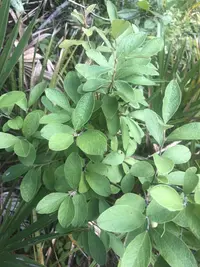
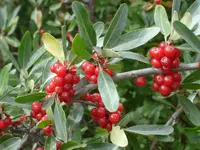
The plant forms dense, thorny thickets with silvery leaves and small yellowish flowers, followed by bright red berries that attract birds and wildlife. Its deep roots and tolerance of wind, cold, and poor soils make it useful for shelterbelts and erosion control.

Gardeners who care for silver buffaloberry appreciate its toughness and low maintenance needs, though its thorns and suckering habit require space and planning. It generally prefers full sun and well-drained, moderately dry soil.

Main Plant Requirements

Care Difficulty

Easy Care

Light Preference

Full Sun

Water Requirements

Low Water

Temperature Preference

Cold Hardy

Hardiness Zone

2–6

Soil Texture

Sandy, Loamy, Rocky

Soil pH

Neutral (7.0), Slightly alkaline (7.0–7.5)

Soil Drainage

Well-drained

Fertilization

Minimal (feed rarely)

Get Personalized Care Plan

Scan your plant to receive care tips personalized for your specific plant

Available on iOS and Android

How to Care for the silver buffaloberry

This shrub thrives in open, bright conditions and is well adapted to full sun in most climates.

  • Provide full sun for 6–8 hours per day; silver buffaloberry fruits and flowers best with unobstructed exposure.
  • Plant in a site with morning to midafternoon sun; light afternoon shade is tolerated in very hot, dry regions to limit leaf scorch.
  • Avoid deep or dense shade, which leads to sparse growth and fewer berries; in winter, no special light protection is needed aside from normal cold hardiness considerations.

This species is drought-tolerant once established and prefers infrequent, deep watering over frequent light applications.

  • In the first 1–2 growing seasons, water when the top 5–8 cm of soil are completely dry, applying a slow, deep soak to reach the root zone.
  • For mature Shepherdia argentea in the ground, rely mostly on rainfall, watering only during prolonged dry spells when foliage dulls or lower leaves start to curl.
  • Use well-drained, sandy or loamy soil and avoid standing water; yellowing, soft leaves or dieback on young shoots often indicate chronic overwatering.

This hardy shrub tolerates a wide temperature range, with strong adaptation to cold climates.

  • Active growth is best around 60–75°F (16–24°C), though established plants continue to perform well above and below this range.
  • Shepherdia argentea tolerates winter lows near −40°F (−40°C) once established, with no need for routine frost protection in most temperate regions.
  • Heat tolerance is good up to about 95°F (35°C) if soil is not waterlogged; in extended hot, dry periods, occasional deep watering helps limit stress and leaf scorch.

Humidity is not a major factor for Shepherdia argentea, which is adapted to dry continental climates.

Shepherdia argentea prefers lean, well-drained mineral soils and tolerates poor, dry sites.

  • Use sandy or gravelly loam with low to moderate organic matter to mimic its native prairie and plains habitats.
  • Ensure very fast drainage; incorporate coarse sand or fine gravel to prevent standing water around the root zone.
  • Aim for slightly alkaline to neutral pH, around 7.0–8.0, avoiding strongly acidic substrates.
  • In heavy or compacted soils, raise the planting area or bed and blend in grit to improve aeration and root penetration.

This species can be grown in large outdoor containers, but it is better suited to in-ground planting long term.

  • Choose a deep, heavy container that resists tipping as the shrub becomes woody and top-heavy in wind.
  • Use a sharply draining, sandy mix and elevate the pot on feet so water leaves the drainage holes quickly after rain or irrigation.
  • Place the container in full sun and a ventilated position so the root zone does not stay cool and damp for extended periods.

Shepherdia argentea usually grows well in average garden soil and needs only light feeding.

  • Apply a thin layer of compost or well‑rotted manure around the root zone once in spring.
  • On poor soils, use a balanced slow‑release fertilizer (around 10‑10‑10) at half label rate in early spring.
  • Avoid summer and fall feeding to limit soft growth that may be damaged by winter.
  • Do not fertilize dormant plants in winter, as nutrient uptake is minimal.

Pruning Shepherdia argentea helps maintain a stable structure and encourages healthy, manageable growth.

  • Carry out main pruning in late winter or very early spring before new growth starts.
  • Remove dead, diseased, rubbing, or storm‑damaged branches with clean, sharp bypass pruners or a pruning saw.
  • Thin overly crowded interior branches to improve light penetration and air movement, keeping the natural form.
  • Shorten excessively long or leaning shoots to shape hedges or screens while preserving strong main stems.

Silver buffaloberry is usually grown in the ground, so focus on careful transplanting rather than frequent repotting.

  • Transplant young shrubs in early spring or fall when temperatures are mild and soil is workable.
  • Look for circling roots in containers, stunted growth, or plants drying out quickly as signs a larger planting area is needed.
  • Move container plants or field‑grown saplings into a hole 2–3× the width of the root ball, keeping the crown at soil level.
  • Water thoroughly after transplanting and maintain even moisture for several weeks to reduce root stress and support establishment.

Shepherdia argentea is commonly propagated by seed and semi‑hardwood cuttings for landscape use.

  • Collect ripe berries, clean the seeds, and sow them outdoors in fall so natural winter cold provides stratification.
  • For controlled sowing, cold‑stratify cleaned seeds in moist sand at 34–41°F for 60–90 days before spring planting.
  • Take semi‑hardwood cuttings in mid‑ to late summer, 10–15 cm long, and remove lower leaves.
  • Insert cuttings into a free‑draining medium, apply rooting hormone, and maintain high humidity with bright, indirect light.

Shepherdia argentea is cold hardy in most temperate regions and usually needs minimal winter care once established.

  • In late fall, apply a 5–8 cm layer of mulch around the root zone, keeping it slightly away from the trunk.
  • Newly planted shrubs benefit from windbreaks or burlap screens in exposed sites to reduce desiccation.
  • Container plants in cold climates should be moved into an unheated garage or against a sheltered wall to prevent root freeze.

Care Tips

Windward placement

Site the shrub where it can act as a windbreak edge plant, since moderate wind exposure keeps foliage drier and reduces fungal problems on this naturally tough species.

Nitrogen-fixing support

Avoid high-nitrogen fertilizer and instead plant it near other dry-site shrubs or grasses so its nitrogen-fixing root nodules can gradually enrich the local soil without pushing weak, lush growth.

Berry yield management

For reliable fruiting, plant at least one male and one female shrub within 3–6 m and avoid pruning hard in late winter on female plants, since this can remove much of the coming season’s flowering wood.

Wildlife browsing control

In areas with deer or rabbits, install low wire mesh or trunk guards for the first 2–3 years until stems become woody and less palatable, preventing disfiguring browse that can ruin future structure.

Rejuvenation by stooling

Every 8–12 years, cut one-third of the oldest stems back to 15–30 cm above ground in late winter to rejuvenate the plant, improve light penetration, and maintain a dense, fruiting canopy when growing silver buffaloberry.

Common Pests and Diseases

Scale insects

This pest attaches to stems and older branches, sucking sap and weakening growth. Symptoms include rough, raised brown or gray bumps and sticky honeydew that can lead to sooty mold on nearby surfaces.

Solution

Prune out heavily infested twigs and discard them. On light infestations, scrub stems with a soft brush dipped in a mild soap-and-water solution, then rinse; for larger shrubs, use a targeted horticultural oil spray in late winter or early spring before budbreak, repeating as needed according to label directions.

Leaf spot

This disease causes brown or purplish spots on leaves, sometimes with a lighter center, which can merge and lead to premature leaf drop, especially in damp seasons. Symptoms include thinning foliage on the inner parts of the shrub where leaves stay moist longer.

Solution

Rake and remove fallen leaves to reduce inoculum, and thin out crowded branches to improve airflow and faster drying. In locations with repeated problems, avoid overhead watering and consider a labeled copper-based fungicide applied early in the season if cultural measures do not keep it in check.

Powdery mildew

This disease produces a white, powdery coating on the upper leaf surface and young shoots, most noticeable in late summer on dense or shaded plantings. Symptoms include distorted new growth and reduced vigor if the problem recurs over several seasons.

Solution

Improve sunlight and air movement by selective pruning and by avoiding tight hedging. Remove and dispose of heavily affected shoots, and if necessary apply a sulfur or bicarbonate-based fungicide labeled for shrubs at the first sign of infection, following label instructions closely.

Aphids

These insects cluster on tender shoot tips and the undersides of leaves, extracting sap and causing curling, distortion, and sticky honeydew. Ant activity on branches and the presence of sooty mold on nearby surfaces often indicate a significant infestation.

Solution

Dislodge colonies with a strong stream of water, repeating every few days until under control. For persistent problems, use insecticidal soap or a lightweight horticultural oil thoroughly covering the undersides of leaves and young stems, applied in cool parts of the day to avoid leaf burn.

Cytospora canker

This disease affects stressed or wounded branches, causing sunken, discolored areas of bark and dieback from the tip inward. Symptoms include dead twigs, peeling bark around the canker, and sometimes amber resin-like exudates on affected stems.

Solution

Prune out infected branches during dry weather, cutting 10–15 cm below visible symptoms and disinfecting tools between cuts with alcohol or a 10% bleach solution. Reduce plant stress by avoiding overwatering or waterlogging, maintaining a mulch layer that does not touch the trunk base, and preventing mechanical injuries to stems as part of long-term Shepherdia argentea plant care.

Interesting Facts

Nitrogen-fixing shrub

This species forms nodules on its roots with actinorhizal bacteria (Frankia), allowing it to fix atmospheric nitrogen and thrive on very nutrient-poor, dry soils where many other shrubs fail.

Critical wildlife food

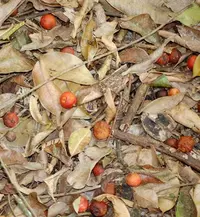
Its dense, thorny branches offer nesting cover, and the orange-red berries are an important late-season food for many birds and mammals in North American prairie and riparian ecosystems.

High salt and drought tolerance

The silver, scaly leaf surface reflects light and reduces water loss, helping the plant tolerate high sun, drought, and mildly saline soils common in its native Great Plains habitats.

Botan icon

Did you know?

Shepherdia argentea is so tolerant of harsh, eroding riverbanks that it is widely used in prairie and riparian restoration projects to stabilize soil, where its deep root system and nitrogen-fixing ability accelerate the recovery of degraded sites.

FAQs about silver buffaloberry

Yes. The small, yellowish spring flowers produce nectar and pollen that attract bees and other native pollinators. Later, the red berries provide food for birds, so the shrub supports wildlife through multiple seasons.

Grow Healthy Plants with Botan Care

Keep your plants happy and healthy with plant identification, disease detection, and easy care guidance.

Botan plant care app — identify plants on mobile

Explore More Plants