BotaN logo

Laurier rose Care (Nerium oleander)

Also known as: Ceylone Rose, Ceylonrose, common oleander, Dog-Bane, Double Oleander, Laurier Rose, Rose Bay, Rose Laurel, Sweet-Scented Oleander
Laurier rose

About Laurier rose

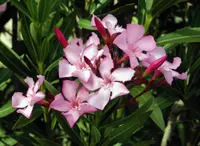
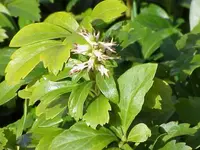
Laurier rose, known botanically as Nerium oleander, is an evergreen shrub widely used in warm climates for hedges, screens, and ornamental plantings. It has narrow, leathery leaves and showy clusters of flowers in white, pink, red, or yellow. Mature plants often form dense, upright bushes that can be trained as small trees. In nature it occurs in Mediterranean regions and parts of the Middle East, typically along dry streambeds and rocky slopes. It tolerates heat, drought, and coastal conditions, which makes it versatile but also potentially invasive in some areas. These traits make it relatively easy to grow outdoors in mild climates, though it needs bright light, well-drained soil, and moderate watering. Understanding how to care for Laurier rose starts with respecting its toughness and toxicity.

Main Plant Requirements

Care Difficulty

Moderate Care

Light Preference

Full Sun

Water Requirements

Moderate Water

Temperature Preference

Warm Climate

Hardiness Zone

8–11

Soil Texture

Sandy, Loamy, Clay

Soil pH

Slightly acidic (6.5–7.0), Slightly alkaline (7.0–7.5)

Soil Drainage

Well-drained

Fertilization

Light (every 4–6 weeks)

Get Personalized Care Plan

Scan your plant to receive care tips personalized for your specific plant

Available on iOS and Android

How to Care for the Laurier rose

Nerium oleander thrives in bright, direct sun but adapts to slightly lower light in hot climates.

  • Provide 6–8 hours of direct sun daily; full south or west exposure suits outdoor shrubs in most regions.
  • In very hot areas, give morning sun and light afternoon shade to reduce leaf scorch while maintaining flowering of Laurier rose.
  • Plants tolerate light partial shade (around 3–4 hours sun), but flowering and density decline if grown in deeper shade.

Watering for Nerium oleander aims to keep soil moderately moist, then allow a partial dry-down.

  • Outdoors in the ground, water deeply when the top 3–5 cm of soil feels dry; infrequent, thorough soakings encourage deep roots.
  • In summer heat, expect faster drying and watch for dull, slightly curling leaves as a sign to water; in cooler months extend intervals.
  • Ensure sharply draining soil; signs of overwatering include yellowing leaves and soft stems, while crisp browning leaf tips suggest underwatering.

Stable warmth supports strong growth and flowering for this Mediterranean shrub.

  • Optimal growing temperatures are 65–85°F (18–29°C); growth slows below 60°F (16°C).
  • Nerium oleander tolerates short dips to about 20–25°F (-6 to -4°C), but repeated hard freezes can kill stems to the ground.
  • In hot summers, the plant withstands 95–100°F (35–38°C) if soil moisture is adequate; protect from sudden late frosts in spring.

Humidity is rarely a limiting factor for Nerium oleander in typical household or outdoor conditions.

Nerium oleander prefers mineral, well-aerated substrates that never stay waterlogged.

  • Use a sandy or loamy mix with 30–50% coarse materials such as sharp sand, perlite, or fine gravel to keep pores open.
  • Aim for slightly acidic to slightly alkaline pH (6.0–7.5), which this shrub tolerates well without special adjustments.
  • In containers, combine standard potting mix with coarse sand and a small amount of compost to provide structure and nutrients while maintaining drainage.
  • Avoid heavy clay, peat-heavy mixes without grit, or any substrate that compacts and holds water around the roots.

This species is well suited to container culture, including patios and balconies, when the pot is prepared for its vigorous root system.

  • Choose a deep, heavy container that resists tipping, as mature plants become tall and top-heavy in wind-exposed sites.
  • Select thick-walled terracotta or similar porous materials if extra evaporation is needed in wet climates to keep roots drier.
  • Raise the pot slightly on feet or blocks so drainage holes stay clear and runoff exits quickly after heavy watering or storms.

Nerium oleander responds well to moderate feeding during the active growing season.

  • Use a balanced, slow-release fertilizer (for example 10-10-10 or 14-14-14) or well-rotted compost in spring to support strong growth and flowering when caring for Laurier rose.
  • Feed container plants every 4–6 weeks in spring–summer with a diluted balanced liquid fertilizer at 1/2 strength.
  • Reduce or stop feeding in fall and winter, when growth slows and the plant rests.
  • Always water before applying fertilizer and avoid getting product on leaves or stems to limit burn risk.

Pruning helps keep Nerium oleander compact, healthy, and flowering well.

  • Carry out main pruning just after flowering, usually late summer, so flower buds for next year are not removed.
  • Cut out dead, diseased, or storm-damaged branches first, then remove crowded or crossing shoots to improve airflow.
  • Shorten overly long stems by up to 1/3 to control size and encourage bushier new growth.
  • Use sharp, clean bypass pruners, and make angled cuts just above a leaf node or side shoot.

Container-grown nerium oleander benefits from occasional repotting to prevent root congestion.

  • Check for roots circling the pot, emerging from drainage holes, or unexplained slow growth as signs it needs more space.
  • Plan to move into a container 1–2 in wider every 2–3 years in late spring, when conditions are warm and stable.
  • Gently loosen circling roots, trim broken ones, and set the root ball at the same depth in fresh, well-drained potting mix.
  • Water thoroughly after repotting, keep out of intense sun for 3–5 days, and resume normal feeding only once new growth appears.

Nerium oleander is most commonly propagated from semi-ripe stem cuttings.

  • Take 10–15 cm non-flowering cuttings in late spring to mid-summer, using clean, sharp pruners.
  • Remove lower leaves, dip the cut end in rooting hormone, and insert into a free-draining mix of perlite and peat or similar medium.
  • Maintain bright, indirect light, high humidity, and temperatures around 70–75°F until roots form in 3–6 weeks.
  • Seed propagation is possible but slower and less reliable for maintaining named cultivars.

Nerium oleander is only moderately frost tolerant and needs protection in colder climates.

  • In regions below about 20°F, grow in containers so plants can be moved indoors or into a frost-free garage over winter.
  • For in-ground shrubs in mild climates, add 5–8 cm of organic mulch around the root zone, keeping it off the stems.
  • During indoor overwintering, give bright light, cool to mild temperatures, and water sparingly to prevent root rot.

Care Tips

Strategic suckering control

Remove basal shoots from the base during the growing season so the plant keeps a strong framework instead of wasting energy on weak, crowded stems that flower poorly.

Storm‑resilient framework

In windy regions, thin out long, whip-like branches and shorten the remaining ones by about one-third in late winter so the shrub resists storm damage and stays upright without staking.

Salt and spray management

In coastal areas, lightly hose foliage with fresh water every few weeks during dry spells to wash off salt deposits that can scorch leaves and reduce flowering.

Targeted caterpillar monitoring

Inspect shoot tips and leaf undersides every 1–2 weeks in warm weather and hand-remove oleander caterpillars early, before they skeletonize leaves and weaken the shrub.

Safe handling routine

Always use gloves, avoid burning trimmings, and bag all pruned material for municipal disposal so caring for Laurier rose stays safe for people, pets, and wildlife.

Common Pests and Diseases

Oleander leaf scorch

This disease is caused by the bacterium Xylella fastidiosa, which blocks the water-conducting tissue and leads to progressive yellowing, browning, and dieback. Symptoms include leaf scorch starting at the tips and margins, twig dieback, and gradual decline of the whole shrub.

Solution

There is no effective cure, so remove and destroy severely affected plants to reduce spread and avoid replanting oleander in the same area. Control leafhopper vectors by reducing weedy hosts nearby, maintain good irrigation to reduce stress, and consult local extension services if this regulated pathogen is suspected.

Oleander knot

This disease is caused by the bacterium Pseudomonas savastanoi pv. nerii and produces rough, wart-like galls or knots on stems, branches, and sometimes leaves. Symptoms include swollen, corky growths that may girdle stems and weaken the plant over time.

Solution

Prune out affected shoots at least 15–20 cm below visible knots during dry weather, disinfecting tools between cuts with 70% alcohol or a 10% bleach solution. Avoid overhead watering, prevent mechanical injuries to stems, and discard infected material in household trash rather than composting.

Oleander leaf scorch mite

These mites feed on the undersides of leaves, causing pale stippling, bronzing, or distorted new growth and sometimes fine webbing. Symptoms include a dull, dusty appearance to foliage and premature leaf drop on heavily infested plants.

Solution

Rinse foliage thoroughly with a strong but gentle stream of water, focusing on leaf undersides, and repeat weekly until populations drop. In warm, dry conditions, introduce or conserve natural predators (such as predatory mites) and, if needed, apply a horticultural oil or insecticidal soap labeled for mites, making sure to cover all leaf surfaces.

Scale insects

These insects appear as small, immobile bumps on stems and leaf midribs and suck plant sap, leading to yellowing leaves and reduced vigor. Symptoms include sticky honeydew on leaves and nearby surfaces, sometimes followed by black sooty mold growth.

Solution

Manually remove scales by gently scraping with a fingernail or soft brush, then wipe stems with a cloth dipped in diluted soapy water or horticultural oil. For heavier infestations, use a horticultural oil spray during mild weather, ensuring thorough coverage of stems and leaf midribs while monitoring new growth regularly as part of long-term Nerium oleander care.

Aphids

These insects cluster on tender shoot tips and flower buds, sucking sap and causing curled, distorted leaves and deformed flower clusters. Symptoms include sticky honeydew, presence of ants, and possible sooty mold development on affected foliage.

Solution

Prune off heavily infested shoot tips and discard them, then wash remaining foliage with a firm stream of water to dislodge aphids. If populations persist, apply insecticidal soap or a light horticultural oil in the early morning or late afternoon, covering all surfaces of young stems and leaves and repeating as needed according to label directions.

Interesting Facts

Highly toxic sap

All parts of this shrub contain cardiac glycosides, compounds that can disrupt heart function in humans and animals if ingested, and the milky latex sap can irritate skin and eyes on contact.

Extraordinary heat tolerance

This species maintains photosynthesis and flowering under intense sun and high temperatures, which is why it is widely used in hot, dry coastal and highway plantings in Mediterranean and similar climates.

Diverse floral forms

Cultivated forms show a wide range of flower colors from white and pale yellow to deep pink and red, and many selections have double or semi-double blooms that differ markedly from the simple wild-type flowers.

Botan icon

Did you know?

Nerium oleander has been planted extensively along roads and highways in many warm regions because it can tolerate air pollution and drought better than most ornamental shrubs, making it a long-term structural plant in harsh urban landscapes.

FAQs about Laurier rose

Lack of flowers usually comes from insufficient light, heavy pruning at the wrong time, or excess nitrogen fertilizer. Old, exhausted potting mix or rootbound conditions can also reduce bloom production, even when foliage still looks relatively healthy.

Grow Healthy Plants with Botan Care

Keep your plants happy and healthy with plant identification, disease detection, and easy care guidance.

Botan plant care app — identify plants on mobile

Explore More Plants