Shape With Pinching
Pinch soft shoot tips in late spring and early summer to encourage a denser, multi-stemmed form and shorter overall height that is easier to manage in smaller gardens.

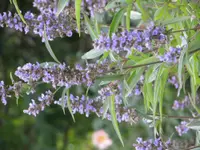
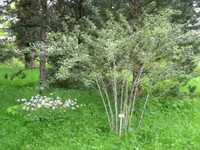
Chaste tree, Vitex agnus-castus, is a deciduous shrub or small tree grown mainly for its fragrant, lavender-blue flower spikes and aromatic leaves. It has a rounded, spreading habit and can form a multi-stemmed, vase-shaped outline in the landscape.
This species is native to the Mediterranean region and western Asia, where it thrives in warm, sunny, and relatively dry environments. It is generally considered easy to manage in suitable climates, as it tolerates heat and short dry periods once established.
Gardeners who want to learn how to care for chaste tree should know it prefers full sun, well-drained soil, and minimal winter damage in mild regions.

Care Difficulty
Easy Care

Light Preference
Full Sun

Water Requirements
Low Water

Temperature Preference
Cold Hardy

Hardiness Zone
6–9

Soil Texture
Sandy, Loamy, Rocky

Soil pH
Slightly acidic (6.5–7.0), Slightly alkaline (7.0–7.5)

Soil Drainage
Well-drained

Fertilization
Minimal (feed rarely)
Scan your plant to receive care tips personalized for your specific plant
Available on iOS and Android
Vitex agnus-castus is a sun-loving shrub that flowers best with strong, direct light.
Vitex agnus-castus prefers deep, infrequent watering once established, with soil allowed to dry between soakings.
This shrub prefers warm, temperate to hot climates and handles heat better than prolonged cold.
This shrub tolerates a wide humidity range and rarely needs special humidity management outdoors.
Vitex agnus-castus prefers loose, well-drained mineral soils that do not stay wet after rain or irrigation.
This species can be grown in containers for smaller landscapes or patio use if pot conditions are adjusted for its woody, spreading root system.
This Mediterranean shrub benefits from modest feeding in containers or poor soils but needs little input in rich ground.
Thoughtful pruning supports flowering and a manageable shape in Vitex agnus-castus.
This shrub is usually grown in the ground, so focus on careful transplanting rather than frequent repotting.
Vitex agnus-castus is commonly propagated from both seeds and cuttings for consistent new plants.
Established chaste tree tolerates moderate cold but young or container plants benefit from simple winter care.

Plant Health Check
Not sure what's wrong with your plant? Check your plant's health inside the app.
This species naturally grows on gravelly riverbanks and floodplains in the Mediterranean region, where its deep, flexible root system tolerates seasonal flooding followed by drought and heat.
The fragrant, nectar-rich flower spikes attract a wide range of insects, but field observations show particularly heavy use by long-tongued bees that can easily access the tubular flowers.
In its native range, it often flowers in late summer when many other shrubs have finished blooming, providing an important nectar source that helps sustain pollinators through a seasonal gap.

Archaeobotanical finds show that its small, pepper-like fruits were already present at ancient Greek sanctuaries, and historical records link the plant with long-standing ritual use around temples dedicated to Hera and Demeter.
Poor flowering usually comes from too little sun, heavy pruning at the wrong time, or excess nitrogen fertilizer. Old wood flowering means hard pruning in late winter can remove buds. Age, drought stress, and waterlogging also reduce bloom.
Keep your plants happy and healthy with plant identification, disease detection, and easy care guidance.