boxleaf eugenia Care (Syzygium buxifolium)

Also known as: fish-scale bush
boxleaf eugenia

About boxleaf eugenia

Boxleaf eugenia (Syzygium buxifolium) is a compact evergreen shrub or small tree valued for its dense, fine-textured foliage. It naturally occurs in parts of China and Taiwan, where it often grows in warm, humid conditions.

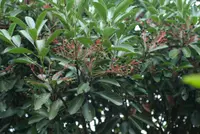
The plant has small, boxwood-like leaves and a naturally tidy form, which makes it popular for hedging, topiary, and container use. It is generally resilient and can tolerate regular pruning, which helps keep its size and shape under control.

For most home gardeners, it is a moderately easy plant, as long as it receives enough light, protection from hard frost, and soil that drains well. Understanding how to care for boxleaf eugenia mainly involves managing light, water, and pruning to match the local climate and setting.

Main Plant Requirements

Care Difficulty

Moderate Care

Light Preference

Full Sun

Water Requirements

Moderate Water

Temperature Preference

Warm Climate

Hardiness Zone

9–11

Soil Texture

Sandy, Loamy, Organic-rich

Soil pH

Acidic (5.5–6.5), Slightly acidic (6.5–7.0)

Soil Drainage

Moist but well-drained

Fertilization

Minimal (feed rarely)

Get Personalized Care Plan

Scan your plant to receive care tips personalized for your specific plant

Available on iOS and Android

How to Care for the boxleaf eugenia

This shrub prefers bright conditions with some protection from harsh midday sun for balanced, dense growth.

  • Provide 4–6 hours of direct morning sun with light afternoon shade; eastern or southeastern exposure suits boxleaf eugenia well.
  • In hot climates, use filtered light or dappled shade from 12–4 p.m. to prevent leaf scorch, bronzing, or crispy leaf edges.
  • In cooler seasons or coastal areas, it tolerates more direct sun; in deep shade growth becomes sparse, with longer internodes and fewer leaves.

Syzygium buxifolium prefers steadily moist but never waterlogged soil for healthy roots and foliage.

  • Water when the top 2–4 cm of soil feels dry, aiming for moist soil down to 8–10 cm without standing water on the surface.
  • In spring and summer, expect faster drying and increase checks; in cooler months, let the top layer dry a bit more before watering.
  • Watch for yellowing, soft leaves or a sour soil smell as overwatering signs, and dull, curling, or crispy leaf tips as underwatering indicators; ensure sharp drainage.

This species grows best in mild, frost-free climates with stable, moderate temperatures.

  • Ideal growth occurs at 65–80°F (18–27°C), which supports steady foliage production and compact branching.
  • The plant tolerates brief drops to about 28–30°F (-2 to -1°C) but young shoots and buds are easily damaged by frost or freezing winds.
  • In summer, it handles 90–95°F (32–35°C) if soil moisture is maintained and roots are mulched; reduce heat stress by avoiding planting against reflective walls in hot regions.

This species prefers moderately humid air but usually adapts to typical home conditions if not extremely dry.

  • Aim for 40–60% humidity, especially for young or actively growing boxleaf eugenia.
  • Dry air causes crispy leaf tips, edge browning, and slowed growth, even when watering is correct.
  • Increase local humidity with grouped plants, a pebble tray under the pot, or a nearby cool-mist humidifier.

This shrub performs best in a loose, well-aerated, moisture-retentive yet fast-draining mix.

  • Use a loamy mix based on peat or coco coir with added compost plus coarse material such as perlite or pine bark fines.
  • Aim for slightly acidic to neutral pH (6.0–7.0) for Syzygium buxifolium to keep nutrients available and roots active.
  • Ensure water drains through quickly; avoid heavy clay-based mixes that stay waterlogged and promote root rot.
  • Improve aeration by increasing coarse particles to about 30–40% of the mix, especially in larger, deeper containers.

This species is well suited to container growing for hedging, topiary, or patio display.

  • Select a pot that is wider than it is tall to provide lateral root space and reduce the risk of tipping in wind.
  • Choose a heavier material such as ceramic or concrete if grown tall or clipped as a dense standard to improve stability.
  • Ensure large, unobstructed drainage holes and keep saucers empty so collected water does not rise back into the root zone.

This shrub responds well to moderate feeding during active growth, supporting dense foliage and compact form in boxleaf eugenia.

  • Use a balanced slow-release fertilizer (for example 10-10-10) or compost in spring as new growth starts.
  • Apply every 6–8 weeks through the growing season, following label rates at about 50–75% strength.
  • Water thoroughly before and after feeding to avoid root burn and improve nutrient uptake.
  • In fall and winter, stop high-nitrogen feeding and use only light compost topdressing if growth continues indoors.

Thoughtful pruning keeps Syzygium buxifolium dense, healthy, and well-shaped for hedges or containers.

  • Carry out main pruning in late winter or early spring before strong new growth starts.
  • Remove dead, damaged, or crossing branches first, then thin crowded interior shoots for better light and airflow.
  • Shorten long shoots to maintain desired outline, encouraging bushier side branching and tighter hedging.
  • Use clean, sharp bypass pruners or shears, disinfecting blades when moving between plants to limit disease spread.

Container-grown or newly installed plants benefit from careful transplanting to support stable long-term growth.

  • Look for roots circling the pot, water running straight through, or slowed growth as signs Syzygium buxifolium needs a larger space.
  • Plan repotting or transplanting for early spring or early fall when temperatures are mild and stress is lower.
  • Move up 1 pot size every 2–3 years, loosening circling roots and using a well-drained, slightly acidic mix.
  • Water thoroughly after planting, shade from strong sun for 3–7 days, and keep soil evenly moist while roots re-establish.

New plants are most often produced from semi-hardwood cuttings, which keeps named forms true to type.

  • Take 8–12 cm semi-hardwood cuttings in late spring to late summer from non-flowering shoots.
  • Remove lower leaves, dip the base in rooting hormone, and place in a sterile, free-draining mix such as perlite and peat or coco coir.
  • Maintain 70–80°F, high humidity, and bright, indirect light to encourage rooting over several weeks.
  • Sow seeds fresh in warm conditions, lightly covered, keeping the medium evenly moist until germination.

This species is only moderately cold tolerant and benefits from basic winter preparation in cooler regions.

  • In-ground plants handle light frost but may suffer below about 20–25°F, especially when young.
  • Apply a 5–8 cm mulch layer around the root zone in late fall, keeping it slightly away from the trunk.
  • Wrap young stems with breathable frost cloth during freeze events to reduce bark and foliage damage.
  • Move container plants indoors or into a bright, frost-free space when sustained temperatures drop near freezing.

Care Tips

Shear For Density

Use sharp hand shears to lightly clip new soft growth 2–3 times per growing season, which encourages tighter branching and a fuller hedge or topiary outline.

Rotate Container Regularly

If grown in a pot, rotate the container 90° every 2–3 weeks so light reaches all sides evenly and the plant develops symmetrical, compact growth rather than leaning toward one direction.

Salt And Wind Check

In coastal areas, place plants where buildings or taller shrubs buffer prevailing winds, as this species tolerates mild salt but can suffer leaf burn from constant direct sea spray.

Rootball Monitoring

For container plants, slide the rootball partially out of the pot once or twice a year to check for circling roots and prune or repot before they form a dense, girdling mass that restricts growth.

Prevent Scale Infestations

Inspect stems and leaf undersides monthly for small bumps or sticky residue, and at the first sign of scale insects, treat with a horticultural oil spray, which is a key step in caring for boxleaf eugenia long term.

Common Pests and Diseases

psyllids

This pest forms small bumps on young shoots and leaves, often causing cupping, distortion, and sticky honeydew that can lead to sooty mold. Symptoms include slowed growth and sparse new foliage on hedged or clipped plants.

Solution

Prune and discard heavily infested shoot tips, then hose down remaining foliage to remove nymphs and honeydew. For continued problems, use a targeted insecticidal soap or horticultural oil spray, applied thoroughly to new growth in cool, shaded conditions and repeated according to label directions.

scale insects

These insects appear as small, fixed bumps on stems and leaf undersides and often produce honeydew that attracts ants and encourages black sooty mold. This pest can cause general decline, yellowing, and reduced vigor in clipped hedges and topiary forms.

Solution

Wipe or gently scrub accessible stems and leaves with a soft cloth or brush dipped in mild soapy water, then rinse. For heavier infestations, apply horticultural oil during mild weather, ensuring full coverage of stems and leaf undersides, and manage ants to reduce re-infestation.

leaf spot

This disease causes small brown or dark purple spots on leaves, sometimes with yellow halos, which can merge into larger blotches on dense, frequently trimmed plants. Symptoms include early leaf drop and a thin canopy, especially in humid, poorly ventilated conditions.

Solution

Remove and dispose of affected leaves and fallen litter, then improve airflow by thinning very dense growth and avoiding overhead watering late in the day. In persistent or severe cases, apply a copper-based fungicide according to label instructions, focusing on young foliage during humid periods as part of broader Syzygium buxifolium care instructions.

sooty mold

This disease forms a black, soot-like coating on leaves and stems that grows on the sugary honeydew from sap-sucking insects such as scale or psyllids. Symptoms include dull, dirty-looking foliage and reduced photosynthesis, though the fungus stays mostly on the surface of plant tissues.

Solution

First control the underlying honeydew-producing insects, then gently wash affected foliage with a strong but not damaging stream of water or with a damp cloth. Improve light and airflow around the plant to help new, clean growth develop and gradually replace heavily coated leaves.

leaf galls

Symptoms include swollen, distorted, or blistered areas on young leaves and shoots, sometimes thickened and irregular in shape. This problem is usually caused by tiny mites or insects that trigger abnormal tissue growth, common on Syzygium species under repeated shearing or stress.

Solution

Prune out and discard affected leaves and shoots as soon as galls are noticed, and avoid composting the material. Reduce plant stress with consistent watering, balanced fertilization, and less frequent hard shearing, which lowers susceptibility and limits sites where gall-causing organisms can establish.

Interesting Facts

Naturally box-shaped foliage

This species forms very small, dense, opposite leaves on closely spaced stems, which naturally creates a boxwood-like texture without heavy pruning. That growth pattern is why it is widely used as a fine-textured hedge and bonsai subject in East Asia.

High salt and wind tolerance

Syzygium buxifolium tolerates coastal exposure, including wind and salt spray, more than many broadleaf evergreens, so it is commonly planted in seaside landscapes in southern China, Taiwan, and parts of Japan.

Attractive to pollinators

Its small white flowers, produced in clusters, provide nectar and pollen that attract insects such as bees in its native and cultivated range, supporting local urban biodiversity.

Botan icon

Did you know?

In several subtropical Asian cities, this species is one of the standard choices for topiary and streetside bonsai-style pruning because its fine leaves and strong response to regular trimming allow very precise, long-lasting sculpted shapes.

FAQs about boxleaf eugenia

This species is evergreen, keeping its small, glossy leaves year-round in mild climates. In colder areas, exposed plants may drop some foliage after frost but usually releaf from surviving wood once conditions improve.

Grow Healthy Plants with Botan Care

Keep your plants happy and healthy with plant identification, disease detection, and easy care guidance.

Botan plant care app — identify plants on mobile

Explore More Plants