Siberian ginseng Care (Eleutherococcus senticosus)

Also known as: devil's bush
Siberian ginseng

About Siberian ginseng

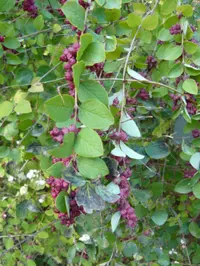
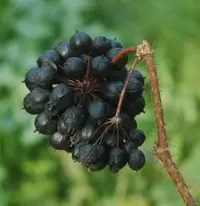
Siberian ginseng, Eleutherococcus senticosus, is a deciduous shrub known for its woody stems, small palmate leaves, and rounded clusters of inconspicuous flowers followed by black berries. It forms a thicket-like growth habit and can reach several feet tall in suitable conditions.

This species is native to forests and mountain slopes in northeastern Asia, where it grows in cool, temperate climates with cold winters. It is generally considered a resilient plant, but slow growth and a preference for stable, moist, well-drained soil can make it slightly challenging for impatient growers.

It prefers partial shade and consistent moisture, which is useful to understand when learning how to care for Siberian ginseng.

Main Plant Requirements

Care Difficulty

Moderate Care

Light Preference

Partial Shade

Water Requirements

Moderate Water

Temperature Preference

Cold Hardy

Hardiness Zone

3–7

Soil Texture

Loamy, Sandy, Organic-rich

Soil pH

Acidic (5.5–6.5), Slightly acidic (6.5–7.0)

Soil Drainage

Moist but well-drained

Fertilization

Minimal (feed rarely)

Get Personalized Care Plan

Scan your plant to receive care tips personalized for your specific plant

Available on iOS and Android

How to Care for the Siberian ginseng

This woodland shrub prefers bright, indirect light with some protection from intense afternoon sun.

  • Provide 3–5 hours of gentle morning sun plus bright, dappled shade for the rest of the day to mimic forest-edge conditions for Siberian ginseng.
  • Tolerates partial shade, but in very dense shade stems stretch, leaf color fades, and overall growth slows noticeably.
  • In hot summers, shield from strong sun between 11 a.m. and 4 p.m. to prevent leaf scorch, especially on young plants or in exposed sites.

This species prefers consistently moist but not saturated soil, especially while establishing.

  • Water when the top 3–5 cm of soil feels dry, then soak the root zone deeply so moisture reaches 15–20 cm down.
  • Use well-drained, loamy soil; prolonged puddling, sour smell, or blackened roots indicate overwatering and poor drainage.
  • During hot, dry periods, increase frequency, watching for drooping leaves by late day, while in cool or rainy seasons reduce watering to avoid root rot in Eleutherococcus senticosus.

This hardy shrub tolerates cold climates but grows best within a moderate temperature range.

  • Active growth is strongest around 60–75°F (16–24°C), with good development of new shoots and leaves in spring and early summer.
  • The plant withstands winter lows near -30°F (-34°C) when fully dormant, but young plants benefit from mulch over the root zone.
  • In hot spells above 85°F (29°C), provide extra shade and soil moisture, as extended high heat can stress foliage and slow growth.

This shrub handles a fairly wide humidity range and usually does not need special humidity management outdoors.

  • Target 40–60% humidity for potted Siberian ginseng, similar to average indoor air in many homes.
  • It tolerates brief dips to 30–35% humidity but prolonged very dry air may cause leaf edge browning and tip dieback.
  • Increase humidity around container plants with grouped pots and a pebble tray, rather than misting, which has limited long-term effect.

Eleutherococcus senticosus prefers loose, fertile soil that stays evenly moist yet drains freely.

  • Use a loamy, organic-rich mix made from roughly 50% composted material, 30–40% topsoil, and 10–20% perlite or coarse sand for structure.
  • Aim for mildly acidic to neutral pH around 6.0–7.0, avoiding strongly alkaline soils that can limit nutrient uptake and cause chlorosis.
  • Improve aeration and drainage by incorporating shredded bark or leaf mold, especially in heavy or compacted garden soils.
  • Avoid waterlogged clay spots or hardpans; raised beds or berms help roots stay oxygenated and reduce root rot risk.

This species can be grown in containers, especially in cooler climates or where garden space is limited.

  • Choose a deep, heavy pot to balance the shrub’s multi-stemmed growth and prevent tipping in wind.
  • Select a container material with moderate moisture retention, such as thick-walled terracotta or glazed ceramic, to buffer rapid drying.
  • Use large drainage holes combined with a coarse, fast-draining bottom layer to move water away from the root zone quickly after heavy rain.

This shrub benefits from light feeding but grows reasonably well in average, moderately fertile soil.

  • Use a balanced, slow-release granular fertilizer (for example 10-10-10) or a thin layer of mature compost in early spring.
  • Feed outdoor plants once each spring; container-grown Siberian ginseng can receive a light dose again in midsummer.
  • Apply at half the label rate, keeping fertilizer off stems and direct contact with roots.
  • Stop feeding in late summer so new growth hardens before winter dormancy.

Eleutherococcus senticosus responds well to thoughtful pruning that maintains structure and access paths.

  • Carry out main pruning in late winter or very early spring before new growth starts.
  • Remove dead, diseased, crossing, or inward-growing stems using clean, sharp bypass pruners or loppers.
  • Thin crowded shoots at the base rather than heading them back to preserve a natural, open form.
  • Light shaping after flowering helps control size while maintaining berry and flower display on older wood.

This species is usually grown in the ground, so care focuses on choosing a good site and moving young plants correctly.

  • Transplant in early spring or early fall when temperatures are mild and soil is workable.
  • Look for signs such as roots circling the pot, water running off quickly, or stalled top growth before moving container plants.
  • Shift to a hole or container 1–2 sizes larger, using deep, well-drained soil rich in organic matter.
  • Minimize root stress by keeping the root ball intact, watering thoroughly after planting, and shading from harsh sun for 1–2 weeks.

New Eleutherococcus senticosus plants are most often produced from seed or by division of suckers.

  • Collect ripe berries in fall, clean seeds, and provide cold stratification at 34–41°F for several months to break dormancy.
  • Sow stratified seed in a free-draining mix, keep evenly moist, and expect slow, sometimes uneven germination.
  • In early spring or fall, lift and divide rooted suckers, keeping good root sections attached, then replant promptly.
  • Semi-ripe stem cuttings in midsummer can root in a humid, bright, indirect-light environment with a free-draining medium.

This shrub is cold hardy in much of the northern US and generally needs only basic winter care once established.

  • Mulch the root zone in late fall with 5–8 cm of leaves, bark, or compost, keeping mulch slightly away from stems.
  • Young or container plants in colder regions benefit from a sheltered site out of drying winter winds.
  • Move potted specimens into an unheated garage, cold frame, or sheltered porch where roots stay above about 15°F.

Care Tips

Install sturdy supports

Provide a low, rigid support frame or stakes early in the season, as older woody stems resent being forced upright later and may crack at the base if bent.

Mulch for root stability

Apply a 5–8 cm layer of leaf mold or shredded bark over the root zone each spring to buffer soil temperature, conserve moisture, and protect the shallow, fibrous roots from disturbance.

Manage suckering spread

Inspect the area around the plant 2–3 times per year and cut or spade off unwanted root suckers at the point of origin to keep the clump contained and prevent it from taking over nearby beds.

Winter wind protection

In colder, exposed sites, drive in windbreak netting or erect a simple barrier on the windward side in late fall to reduce desiccation of branches and buds during freeze–thaw cycles.

Staggered root harvesting

For those growing Siberian ginseng for its roots, mark individual stems and harvest only a portion of the root system from older, well-established plants, leaving enough crown and feeder roots intact to allow strong regrowth.

Common Pests and Diseases

Leaf spot

Symptoms include irregular brown to dark-purple spots on leaves, sometimes with a yellow halo and early leaf drop in wet seasons.

Solution

Remove and dispose of heavily spotted leaves, keep foliage as dry as possible by watering at soil level, and improve air circulation by thinning crowded stems; in severe, recurring cases a copper-based fungicide labeled for ornamental shrubs can be applied in early spring according to label directions.

Powdery mildew

This disease causes a white to gray powdery coating on upper leaf surfaces, often leading to leaf distortion and reduced vigor in shaded, humid sites.

Solution

Increase light and airflow around the shrub by pruning surrounding vegetation, avoid overhead irrigation, and remove the most affected shoots; if needed, apply a sulfur or potassium bicarbonate fungicide suited to ornamental shrubs at the first sign of mildew and repeat as directed.

Aphids

These insects cluster on young shoots and leaf undersides, sucking sap and causing curling leaves, sticky honeydew, and sometimes sooty mold on foliage.

Solution

Dislodge colonies with a strong stream of water, encourage natural predators such as lady beetles, and, if populations remain high, use insecticidal soap or a ready-to-use horticultural oil, ensuring thorough coverage of shoot tips and leaf undersides while avoiding application in full, hot sun.

Scale insects

This pest appears as small, dome-shaped or oval bumps on stems and leaf veins, leading to yellowing foliage, poor growth, and honeydew deposits on and beneath the plant.

Solution

Prune out and destroy heavily infested twigs, gently scrape or wipe individual scales from stems, and treat remaining populations during crawler stages with horticultural oil, repeating according to label directions for effective Eleutherococcus senticosus plant care.

Interesting Facts

Misleading common name

Despite the common name Siberian ginseng, this species is not a true ginseng and belongs to a different family, Araliaceae, though it shares some similar root chemistry and growth habit with Panax ginseng.

Cold-hardy shrub

This species is native to northeastern Asia and forms a multi-stemmed deciduous shrub that tolerates very low winter temperatures and survives in forests with long, cold seasons.

Spiny, clumping growth

The plant develops clumps of upright stems armed with short prickles, and its palmately compound leaves and black berry-like fruits give it a distinctive appearance within the Araliaceae.

Botan icon

Did you know?

In the former Soviet Union, this species became the focus of extensive research programs in the mid-20th century, leading to its official adoption there as an approved herbal adaptogen to help support resistance to various stressors in otherwise healthy people.

FAQs about Siberian ginseng

This shrub spreads slowly by short rhizomes and self-seeding but is not usually aggressive in typical home gardens. In ideal woodland conditions it can form thickets, so allow space and remove unwanted seedlings if necessary.

Grow Healthy Plants with Botan Care

Keep your plants happy and healthy with plant identification, disease detection, and easy care guidance.

Botan plant care app — identify plants on mobile

Explore More Plants