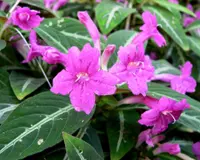
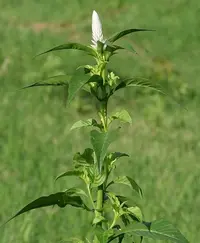
damiana Care (Turnera diffusa)

damiana

About damiana

Damiana, Turnera diffusa, is a small, aromatic shrub native to dry, sunny regions of Mexico, the Caribbean, and parts of Central and South America. It belongs to warm, semi-arid habitats with rocky or sandy soils.

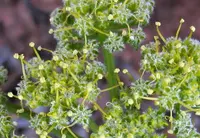
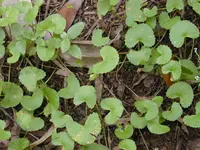
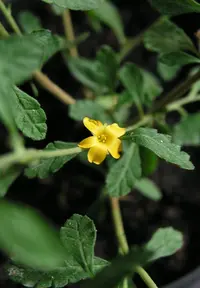
The plant typically grows low and bushy, with small, pale green leaves and short-lived yellow flowers that appear through warm seasons. Its leaves are fragrant when crushed.

Turnera diffusa tends to be resilient once established, but it does need good light, sharp drainage, and protection from excess cold and prolonged wet conditions. These traits make it moderately easy to grow for those who learn how to care for damiana in a warm, bright spot.

Main Plant Requirements

Care Difficulty

Moderate Care

Light Preference

Full Sun

Water Requirements

Low Water

Temperature Preference

Tropical / Frost Sensitive

Hardiness Zone

9–11

Soil Texture

Sandy, Loamy, Organic-rich

Soil pH

Acidic (5.5–6.5), Slightly acidic (6.5–7.0)

Soil Drainage

Well-drained

Fertilization

Minimal (feed rarely)

Get Personalized Care Plan

Scan your plant to receive care tips personalized for your specific plant

Available on iOS and Android

How to Care for the damiana

This sun-loving shrub thrives in bright, warm conditions that mimic its native habitats.

  • Provide 6–8 hours of direct sun daily; full sun promotes compact growth and abundant flowers in damiana.
  • Allow light afternoon shade in very hot climates to reduce leaf scorch, especially where summer temperatures exceed 95°F (35°C).
  • In cooler seasons, place in the brightest available spot, avoiding dense shade, which leads to leggy stems and sparse blooming.

This drought-tolerant shrub prefers thorough but infrequent watering in well-drained soil.

  • Water when the top 3–5 cm of soil are dry; leaves that dull and curl slightly signal it is time to water.
  • Use fast-draining, sandy or gritty soil so excess water runs out quickly, reducing risk of root rot and yellowing leaves.
  • In cooler months or during low growth, extend intervals between waterings, and avoid leaving Turnera diffusa in standing water.

This warm-climate shrub grows best in consistently mild to hot conditions without frost exposure.

  • Aim for 70–85°F (21–29°C) for active growth; short spikes to 90–95°F (32–35°C) are tolerated if soil is not waterlogged.
  • Protect from temperatures below 40°F (4°C); prolonged exposure near or below this range can cause leaf drop and stem dieback.
  • Avoid frost entirely, and in regions with cold winters, grow outdoors only during warm months or provide sheltered microclimates.

This species handles a wide humidity range and rarely needs special humidity management indoors.

  • Aim for 30–50% relative humidity; typical indoor air suits damiana if watering is consistent.
  • Dry indoor air is tolerated, but combined with underwatering it can cause marginal leaf crisping and slow growth.
  • If leaves brown at the tips, increase humidity slightly with a nearby water tray or grouping plants rather than misting heavily.

Turnera diffusa prefers very well-drained, slightly lean soil that mimics its native, dry habitats.

  • Use a sandy or gritty mix, such as 50–60% cactus or succulent mix blended with coarse sand or perlite for sharp drainage.
  • Ensure the mix is loose and airy; avoid compacted, heavy textures that hold water around the roots.
  • Keep pH slightly acidic to neutral, around 6.0–7.0, which supports nutrient availability without stressing the roots.
  • Avoid high-peat or clay-heavy substrates, which stay wet too long and increase risk of root rot in this drought-tolerant shrub.

This species grows well in containers when the pot and substrate favor rapid drainage and stable root conditions.

  • Select a pot just 2–4 in wider than the root mass so the mix dries evenly instead of staying wet in unused soil volume.
  • Choose a heavier terracotta or ceramic container if the plant becomes bushy, which helps prevent tipping in wind or on balconies.
  • Raise the pot slightly on feet or blocks so drainage holes never sit in collected runoff, keeping the lower root zone oxygenated.

Turnera diffusa benefits from light feeding during active growth but does not need heavy fertilization.

  • Use a balanced, slow-release fertilizer or diluted liquid feed around 10-10-10 during spring and summer.
  • Apply every 4–6 weeks while caring for damiana in its main growing season, skipping any doses if growth is weak or stressed.
  • Dilute liquid fertilizers to 1/2–1/4 strength to prevent root burn in containers or poor soils.
  • Stop feeding in fall and winter, when growth slows, to avoid forcing soft, frost-tender shoots.

Turnera diffusa responds well to light, timely pruning that maintains a compact, flowering shrub.

  • Carry out main pruning in late winter or early spring before strong new growth begins.
  • Remove dead, damaged, and crossing stems first, then thin crowded interior branches for better light and airflow.
  • Shorten long, leggy shoots by 1/3 to shape the plant and encourage denser branching and more flowers.
  • Use clean, sharp hand pruners and make cuts just above a healthy leaf node to reduce dieback risk.

Turnera diffusa can adapt to containers or beds, but dislikes frequent disturbance of its root system.

  • Look for roots circling the pot, pushing through drainage holes, or noticeably slower growth as signs it needs a larger container.
  • Plan repotting or garden transplanting in spring, after frost risk has passed and new growth starts.
  • Move up only 1 pot size, use a free-draining mix, and keep the root ball as intact as possible to limit shock.
  • Water thoroughly after moving, shade for a few days if sun is intense, and avoid fertilizing for 2–3 weeks.

Turnera diffusa is most often propagated from semi-ripe cuttings or seeds under warm, bright conditions.

  • Take 7–10 cm semi-ripe stem cuttings in late spring or summer, removing lower leaves.
  • Dip cut ends in rooting hormone, then insert into a sterile, well-drained mix kept at 70–80°F and lightly moist.
  • Sow fresh seeds in spring on the surface of a sandy mix, just barely covered, with steady warmth and light.
  • Maintain high humidity with a vented cover and provide bright, indirect light until roots or seedlings establish.

Turnera diffusa is frost-sensitive and needs protection in regions with cold winters.

  • In the ground, add a 5–8 cm layer of dry mulch around the root zone in late fall, keeping it off the stems.
  • Move container plants indoors before temperatures drop below 40°F, placing them in bright, cool conditions.
  • Reduce watering in winter, allowing the top layer of soil to dry, while avoiding complete root desiccation.

Care Tips

Pinch For Bushiness

Pinch out soft shoot tips when stems reach 10–15 cm to encourage a denser, more compact shrub with more flowering points instead of a few lanky stems.

Lightweight Wind Protection

In windy sites, set up a low, breathable barrier such as mesh or lattice on the windward side to prevent stems from snapping and to reduce moisture loss from the fine foliage.

Root-Zone Mulch Ring

Apply a thin 2–3 cm ring of fine gravel or coarse sand around the root zone instead of organic mulch to suppress weeds and keep the woody crown dry while still allowing warmth and airflow.

Seasonal Container Shifting

If grown in a pot, move the container slightly with the seasons so the plant receives early or late sun rather than harsh midday sun, which helps reduce stress during heat spikes when growing damiana.

Targeted Pest Monitoring

Inspect the undersides of leaves and new shoot tips weekly during warm months and rinse off early aphid or spider mite colonies with a firm stream of water before considering any chemical control.

Common Pests and Diseases

Spider mites

This pest often appears in hot, dry conditions and feeds on plant sap, leading to pale, stippled leaves and fine webbing on stems and foliage.

Solution

Rinse foliage thoroughly with a strong but gentle stream of water, then increase humidity around the plant and improve air movement; if needed, apply insecticidal soap or horticultural oil to all leaf surfaces and repeat applications every 7–10 days until activity stops.

Aphids

These insects cluster on young shoots and flower buds, sucking sap and causing curling, distortion, and sticky honeydew on leaves.

Solution

Prune heavily infested tips, then wash remaining stems and leaves with water and a mild insecticidal soap, ensuring full coverage of leaf undersides; repeat weekly until aphids are no longer visible and avoid excess nitrogen fertilizer that promotes soft new growth.

Leaf spot

This disease causes small, dark or tan spots on leaves that may enlarge and coalesce, sometimes leading to premature leaf drop in humid or crowded conditions.

Solution

Remove and discard affected leaves, avoid overhead watering, and space plants to improve airflow; if spotting continues to spread, use a copper-based or other labeled fungicide according to Turnera diffusa care instructions and maintain drier foliage during watering.

Powdery mildew

This disease produces white or gray powdery patches on leaves and stems, which can cause yellowing, distortion, and reduced flowering in shaded or poorly ventilated sites.

Solution

Increase light and airflow, water at the base to keep foliage dry, and remove heavily infected leaves; treat remaining foliage with a labeled sulfur, potassium bicarbonate, or horticultural oil product, applying in cool parts of the day and repeating as directed.

Interesting Facts

Dryland specialist shrub

This species is native to arid and semi-arid regions of northern Mexico and the southwestern US, where it grows on rocky, well-drained slopes and calcareous soils, showing strong adaptation to drought and intense sun.

Strong aromatic foliage

Its small evergreen leaves contain abundant essential oils that produce a noticeable, sweet-resinous scent when crushed, which likely plays a role in deterring herbivores and reducing water loss from the leaf surface.

Short-lived daily flowers

The pale yellow flowers typically open in the morning and often last only a single day, yet the plant produces them repeatedly over a long warm season, providing a steady nectar resource for visiting insects.

Botan icon

Did you know?

Turnera diffusa shows marked genetic and chemical variation across its native range, with different wild populations producing distinct profiles of secondary metabolites in their leaves, which has led botanists and phytochemists to study it as a model for geographic variation in plant chemistry.

FAQs about damiana

Sparse or absent flowers usually result from insufficient light, heavy pruning at the wrong time, or excess nitrogen fertilizer. Improve light exposure, switch to a low-nitrogen, high-potassium fertilizer, and prune only lightly after the main flowering flush.

Grow Healthy Plants with Botan Care

Keep your plants happy and healthy with plant identification, disease detection, and easy care guidance.

Botan plant care app — identify plants on mobile

Explore More Plants