Panama hat plant Care (Carludovica palmata)

Also known as: toquilla palm
Panama hat plant

About Panama hat plant

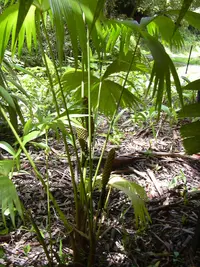
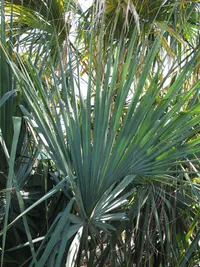
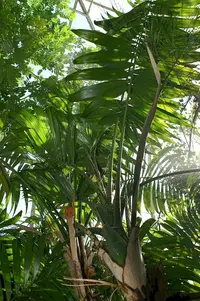
The Panama hat plant, Carludovica palmata, is a tropical, stemless plant grown mainly for its large pleated leaves and traditional use in hat weaving. It forms a low, clumping rosette that can resemble a small palm, even though it is not a true palm.

In nature it occurs in warm, humid forests of Central and South America, often in partial shade under taller trees. The plant is generally moderate in difficulty, as it prefers stable warmth, consistent moisture, and protection from strong sun or cold drafts.

Gardeners who care for Panama hat plant usually focus on maintaining evenly moist soil, high humidity, and a rich, well-drained substrate to keep foliage healthy and attractive.


Main Plant Requirements

Care Difficulty

Moderate Care

Light Preference

Partial Shade

Water Requirements

Keep Soil Moist

Temperature Preference

Tropical / Frost Sensitive

Hardiness Zone

10–12

Soil Texture

Loamy, Silty, Organic-rich

Soil pH

Acidic (5.5–6.5), Slightly acidic (6.5–7.0)

Soil Drainage

Moist but well-drained

Fertilization

Light (every 4–6 weeks)

Get Personalized Care Plan

Scan your plant to receive care tips personalized for your specific plant

Available on iOS and Android

How to Care for the Panama hat plant

This tropical foliage plant prefers bright, gentle light similar to a filtered understory forest setting.

  • Provide 4–6 hours of bright, filtered light daily; light morning sun with dappled shade by midday suits the Panama hat plant best.
  • Tolerates partial shade, but in deep shade leaves stretch, pale, and become sparse; gradually increase light if this occurs.
  • Avoid harsh midday or all-day direct sun, which scorches leaf edges; in summer, use shade cloth or plant under high, open tree canopies.

This species prefers consistently moist but not saturated soil that mimics a humid forest floor.

  • Water when the top 2–4 cm of soil feels slightly dry; soil below should feel cool and evenly moist, not soggy.
  • Reduce watering in cooler months when growth slows, but do not allow the root zone of Carludovica palmata to dry out completely for long periods.
  • Watch for limp, dry-edged leaves as a sign of underwatering, and yellowing, soft bases or sour smell as indicators of poor drainage and overwatering.

This tropical plant grows best in warm, stable conditions without temperature extremes or frost.

  • Aim for 70–85°F (21–29°C) for active growth; short periods up to 90°F (32°C) are tolerated if humidity and soil moisture are adequate.
  • Protect from cold; growth slows below 60°F (16°C) and tissue damage can occur below 50°F (10°C), especially in wet, windy conditions.
  • Never expose to frost; even brief drops near 32°F (0°C) can kill foliage, so provide shelter or move plants to a protected site before cold snaps.

This species prefers consistently moist air and benefits from moderate to high humidity.

  • Aim for 50–70% humidity; prolonged exposure below 40% can slow growth and cause leaf edge browning.
  • Tolerates brief dry indoor air but shows humidity stress as crispy tips, rolling leaves, and stalled new growth.
  • Increase humidity with grouped plants, a pebble tray under the pot, or a room humidifier placed nearby, not blowing directly.

This species needs loose, moisture-retentive but fast-draining substrate to support fibrous roots.

  • Use a rich, loamy mix such as 2 parts peat- or coco-based potting mix, 1 part compost, and 1 part perlite or fine bark.
  • Ensure drainage is rapid so water does not pool for more than a few minutes on the surface or in the saucer.
  • Keep soil slightly acidic to neutral, around pH 6.0–7.0, which suits Carludovica palmata nutrient uptake.
  • Improve aeration in heavy mixes by increasing coarse perlite or bark up to 40% of the volume and avoiding compacted garden soil.

This species adapts well to container growing when stability and drainage are managed carefully.

  • Choose a wide, relatively shallow pot to match the spreading crown and reduce the risk of the plant becoming top-heavy.
  • Select a heavier material such as ceramic or clay if wind exposure is expected, to prevent tipping as foliage enlarges.
  • Raise the container slightly on pot feet or bricks so drainage holes stay clear and excess water exits quickly after irrigation.

Carludovica palmata responds well to modest, consistent feeding during the warm growing season.

  • Use a balanced liquid fertilizer (such as 10-10-10 or 20-20-20) diluted to 1/2 strength every 4–6 weeks in spring and summer.
  • Alternatively, apply a slow-release balanced fertilizer or a thin layer of well-rotted compost at the start of the growing season.
  • Skip or reduce feeding to 1/4 strength in late fall and winter when growth slows, especially for Panama hat plant indoor care.
  • Flush the potting mix with plain water a few times per season to reduce salt buildup from fertilizers.

Pruning Carludovica palmata is light and mainly focused on sanitation and maintaining a tidy clump.

  • Best time for pruning is late winter to early spring, before strong new growth starts.
  • Remove dead, yellowing, or damaged leaves at the base using clean, sharp pruners or scissors.
  • Thin out overly crowded shoots to improve air circulation and maintain an open, symmetrical shape.
  • Avoid cutting healthy green leaf blades heavily, as this can reduce vigor and overall plant energy storage.

Carludovica palmata tolerates containers but benefits from thoughtful repotting or transplanting to support steady growth.

  • Plan to repot every 2–3 years in spring when roots circle the pot, emerge from drainage holes, or growth becomes noticeably slower.
  • Move to a container 2–5 cm wider with free-draining, rich, peat-free mix to support strong root and leaf development.
  • Water thoroughly before and after repotting, then keep the mix evenly moist and shaded for 1–2 weeks to limit transplant shock.
  • For in-ground plants, transplant only in warm conditions, disturb roots as little as possible, and mulch to stabilize soil moisture.

Carludovica palmata is usually propagated by division or seeds under warm, stable conditions.

  • Divide mature clumps in late spring when new growth appears, ensuring each section has healthy roots and at least one strong shoot.
  • Replant divisions into moist, free-draining mix, keep at 70–80°F, and maintain high humidity to encourage rapid root establishment.
  • Sow fresh seeds in a warm (75–85°F), bright, shaded location using a sterile seed-starting mix kept consistently moist but not waterlogged.
  • Provide bottom heat if possible and avoid temperature swings, as stable warmth significantly improves germination and early seedling growth.

Carludovica palmata is frost sensitive and needs protection in climates with cold winters.

  • In regions below USDA zone 10, grow in containers and move plants indoors before temperatures drop below 50°F.
  • Keep indoor winter temperatures around 60–75°F with bright, indirect light and slightly reduced watering.
  • For in-ground plants in marginal climates, mulch the root zone with 5–8 cm of organic material to moderate soil temperature.
  • Shield foliage from cold, drying winds and avoid exposure to frost, which can scorch or kill leaves.

Care Tips

Rotate container regularly

Turn the pot 90° every 2–3 weeks so the clumping stems develop evenly and do not lean strongly toward the light, which keeps the foliage rosette symmetrical and reduces the risk of the plant becoming top-heavy and unstable.

Provide low airflow

Use a small, low-speed fan placed several feet away to create gentle air movement around the leaves, which helps prevent fungal leaf spots and keeps the emerging leaf spears dry without lowering humidity too much.

Support maturing leaves

As new leaves unfurl and lengthen, add discreet stakes or a narrow plant hoop at the back of the pot so the long petioles are supported and less likely to bend or crease at the base.

Groom spent foliage

Remove oldest, yellowing outer leaves by cutting them close to the soil surface with disinfected pruners, which improves air circulation inside the clump and directs energy into new, healthy growth while caring for Panama hat plant.

Use wide, shallow pots

Choose a container that is wider rather than very deep to match the shallow, spreading root system, which improves root oxygenation and makes dividing or repotting easier when you later decide to grow Carludovica palmata in multiple clumps.

Common Pests and Diseases

Banana moth

This pest bores into the tender stems and leaf bases, weakening the plant and causing distorted or collapsing leaves. Symptoms include frass (sawdust-like debris) and hollow or browned tissue inside the petioles and crown.

Solution

Remove and destroy all infested stems and any plant debris around the base, then inspect regularly for fresh frass or entry holes. Improve sanitation, avoid leaving cut plant material on the soil, and, if infestations persist outdoors, use pheromone traps or a targeted biological control such as Bacillus thuringiensis (Bt) aimed at caterpillars feeding in and around the crown.

Scale insects

These insects attach to leaf undersides and stems, sucking sap and causing yellowing, stunted growth, and sticky honeydew that can attract sooty mold. This pest is often first noticed as small, dome-shaped bumps that do not move when touched.

Solution

Wipe down leaves and stems with a cloth or cotton pad dipped in diluted insecticidal soap or 70% isopropyl alcohol, repeating weekly until no new scales appear. For larger outdoor clumps, prune heavily infested leaves, improve air movement, and encourage natural predators such as lady beetles by avoiding broad-spectrum insecticides.

Spider mites

These insects are tiny sap-feeders that thrive in hot, dry conditions and can cause fine stippling, dull foliage, and delicate webbing on leaf undersides. Symptoms include patchy yellowing and a dusty look to the leaves.

Solution

Rinse foliage thoroughly with a firm stream of water, focusing on leaf undersides, then follow with regular applications of insecticidal soap or horticultural oil at 7–10 day intervals. Increase humidity around container plants, reduce heat stress, and isolate badly infested plants to prevent spread, especially in Panama hat plant indoor care situations.

Leaf spot

This disease causes small, water-soaked lesions that expand into brown or tan spots, sometimes with darker margins, on the broad leaves. Symptoms include premature yellowing and shedding of affected foliage in humid, poorly ventilated conditions.

Solution

Trim off and discard infected leaves, disinfecting pruning tools between cuts, and avoid wetting the foliage when watering. Improve air circulation, reduce overcrowding, and if the problem recurs outdoors, apply a copper-based or other labeled ornamental foliar fungicide according to product directions.

Crown rot

This disease affects the central growing point at the base of the leaf stalks, turning tissues soft, brown, and foul-smelling, often causing the entire rosette to collapse. Symptoms include wilting despite moist soil and mushy tissue at or just below the soil surface.

Solution

Remove and discard affected plants and any surrounding contaminated soil, then replant only in well-drained substrate that does not stay waterlogged. Avoid planting the crown too deep, water at the soil level rather than over the top, and in areas with a history of the disease, use raised beds or containers with sharp drainage to prevent chronic infection.

Interesting Facts

Not a true palm

Although often called Panama hat palm, this species is not a true palm but a member of the Cyclanthaceae family, a group of monocot plants related to palms and aroids. Its palm-like appearance comes from its fan-shaped leaves and clustered stems.

Source of Panama hats

Traditional Panama hats are woven from the young, split leaf fibers of this species, especially in coastal Ecuador. The quality of fine hats depends on how evenly and thinly the leaf strips are prepared and bleached before weaving.

Specialized beetle pollination

In its native Central and South American range, the flowers release heat and scent that attract specific scarab beetles, which use the inflorescences as shelter and mating sites. As the beetles move between flowers, they transfer pollen and complete the plant’s pollination cycle.

Botan icon

Did you know?

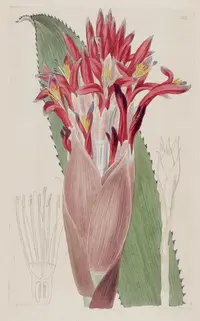
The inflorescences of this species develop inside a tight boat-shaped bract and can be harvested and cooked as a vegetable in some parts of its native range, where they are considered a traditional local food.

FAQs about Panama hat plant

Brown leaf tips or edges usually come from low humidity, underwatering, or excess fertilizer salts. Check soil moisture, flush the pot occasionally, and increase humidity around the foliage to reduce further browning and crisping.

Grow Healthy Plants with Botan Care

Keep your plants happy and healthy with plant identification, disease detection, and easy care guidance.

Botan plant care app — identify plants on mobile

Explore More Plants