Stable container placement
Use a wide, heavy container or add a layer of gravel at the bottom (outside the root zone) to prevent tipping as the palm develops tall, slender stems that can be top-heavy in indoor conditions.

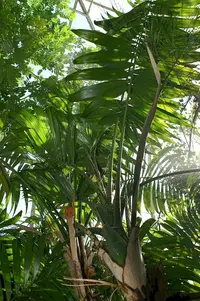
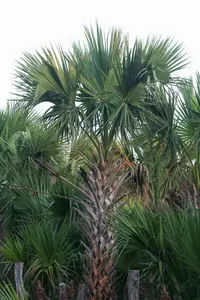
Synechanthus warscewiczianus is a small, clustering palm native to humid tropical forests of Central America. It typically forms slender canes with elegant, arching pinnate leaves that give a soft, layered look. In nature it grows in deep shade under taller trees, which explains its preference for sheltered, low-light positions and consistent warmth. The plant is slow growing and somewhat sensitive to cold, dry air, and low humidity, which can make it a bit challenging for beginners. Those who want to care for Synechanthus warscewiczianus should provide stable temperatures, evenly moist but well-drained soil, and protection from strong sun and drafts.

Care Difficulty
Hard Care

Light Preference
Partial Shade

Water Requirements
Keep Soil Moist

Temperature Preference
Tropical / Frost Sensitive

Hardiness Zone
11–12

Soil Texture
Loamy, Sandy, Organic-rich

Soil pH
Acidic (5.5–6.5), Slightly acidic (6.5–7.0)

Soil Drainage
Moist but well-drained

Fertilization
Light (every 4–6 weeks)
Scan your plant to receive care tips personalized for your specific plant
Available on iOS and Android
This understory palm prefers soft, filtered light that mimics bright forest shade.
This species favors consistently moist but never waterlogged soil around its root zone.
This palm thrives in stable, warm conditions and reacts poorly to cold snaps or frost.
This palm prefers consistently humid air and reacts quickly to dry conditions.
This species needs a loose, airy, organic-rich mix that holds moisture but never stays waterlogged.
This palm is suitable for container growing when the pot is chosen to support its fibrous, moisture-loving root system.
This palm benefits from light, consistent nutrition rather than heavy feeding.
Pruning needs for this species are minimal and mostly cosmetic.
Handling the root system gently is important when moving this palm to a new container or site.
Propagation of this palm is typically done from seed and is slow and specialized, so most home growers do not attempt it.
This tropical palm is frost sensitive and needs careful winter management in cooler climates.

Plant Health Check
Not sure what's wrong with your plant? Check your plant's health inside the app.
This palm naturally grows in the shaded understory of wet lowland forests in Central America, often beneath much taller canopy trees, which is why it tolerates lower light better than many other palms.
Its inflorescences and fruiting stalks are covered in short bristles, giving them a rough texture that likely helps protect developing flowers and fruits from small herbivores.
Instead of forming a single massive trunk, this species produces multiple slender stems from the base, creating a loose clump that allows it to occupy small gaps on the forest floor.
This palm performs best outdoors in warm, humid, frost-free climates with consistent shade and moisture. It can be grown indoors in bright, filtered light and high humidity, but growth is slower and more sensitive to dry air and drafts.
Keep your plants happy and healthy with plant identification, disease detection, and easy care guidance.