Salt-wind tolerance
In coastal sites, allow some exposure to salt-laden breezes but avoid direct salt spray on very young plants by using temporary windbreak fabric or a low fence until the trunk has thickened.

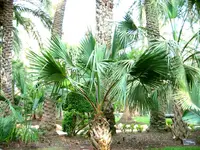
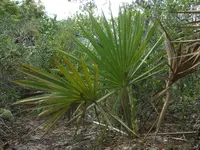
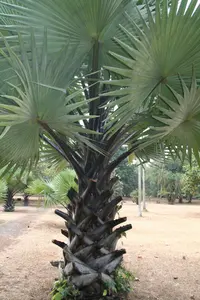
Bermuda palm, Sabal bermudana, is a slow-growing, fan-leaved palm tree native to Bermuda and adapted to warm, coastal climates. It forms a single sturdy trunk crowned with large, blue-green leaves that create a dense, architectural canopy.
This palm is naturally tolerant of wind, salt, and periods of drought, which makes it relatively resilient once established outdoors in suitable climates. It prefers full sun, well-drained soil, and moderate moisture, so care for Bermuda palm focuses mainly on giving it the right site and avoiding waterlogged conditions.

Care Difficulty
Moderate Care

Light Preference
Full Sun

Water Requirements
Moderate Water

Temperature Preference
Warm Climate

Hardiness Zone
9–11

Soil Texture
Sandy, Loamy, Organic-rich

Soil pH
Slightly acidic (6.5–7.0), Neutral (7.0)

Soil Drainage
Well-drained

Fertilization
Minimal (feed rarely)
Scan your plant to receive care tips personalized for your specific plant
Available on iOS and Android
This coastal palm prefers bright, sun-exposed conditions but adapts to some shade once established.
This palm is drought-tolerant once established but grows best with deep, infrequent watering in well-drained soil.
This palm favors warm subtropical conditions but endures a range of outdoor temperatures once mature.
This palm tolerates a wide humidity range but grows best with moderate ambient moisture.
Sabal bermudana prefers loose, sandy to loamy soil that drains freely yet holds some moisture.
This species can be grown in containers, especially when young, if the pot is chosen for stability and drainage.
This slow-growing palm needs modest feeding to support steady growth in containers or nutrient-poor soils.
Pruning needs for Sabal bermudana are low and focus on health rather than shaping.
This palm dislikes frequent disturbance, so repotting and transplanting should be infrequent and carefully planned.
This species is almost always propagated from seed, which germinates slowly but reliably under warm, stable conditions.
Mature Sabal bermudana has good cold tolerance but young or container plants can benefit from basic winter precautions.

Plant Health Check
Not sure what's wrong with your plant? Check your plant's health inside the app.
This palm is naturally restricted to Bermuda, where it evolved in isolation and formed extensive native forests before large‑scale habitat loss and hurricane damage.
Its stiff, costapalmate leaves and flexible trunk architecture help it resist strong Atlantic storms that regularly impact Bermuda.
Historically, dense stands of this palm shaped Bermuda’s original woodland ecosystem, influencing soil development, shade patterns, and habitat for native birds and invertebrates.

Genetic and historical evidence shows that the near-collapse of wild populations in the 20th century, due to logging, development, and lethal scale insects, prompted intensive conservation programs that turned this island tree into one of Bermuda’s most actively managed native species.
This species grows slowly, often adding only 15–30 cm of trunk height per year once established. Growth is even slower in containers or cooler climates. Good light, warmth, and consistent moisture improve vigor but not dramatically speed growth.
Keep your plants happy and healthy with plant identification, disease detection, and easy care guidance.