Spicer’s Paphiopedilum Care (Paphiopedilum spicerianum)

Spicer’s Paphiopedilum

About Spicer’s Paphiopedilum

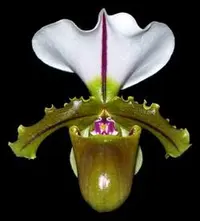
Paphiopedilum spicerianum is a small, terrestrial orchid known for its slipper-shaped flowers and compact, fan-like leaves. It is often grown as a houseplant and valued for its distinctive bloom shape and markings.

This species comes from shaded, moist habitats in northeastern India, typically growing on forest floors or mossy banks. Its preference for stable conditions and moderate humidity makes it more demanding than common indoor plants but manageable for patient growers.

Light shade, evenly moist but airy substrate, and good air movement are key points in how to care for Paphiopedilum spicerianum. With consistent conditions, it can flower reliably in home collections.

Main Plant Requirements

Care Difficulty

Moderate Care

Light Preference

Bright Indirect Light

Water Requirements

Keep Soil Moist

Temperature Preference

Tropical / Frost Sensitive

Hardiness Zone

Unknown

Soil Texture

Peaty, Organic-rich

Soil pH

Acidic (5.5–6.5)

Soil Drainage

Moist but well-drained

Fertilization

Light (every 4–6 weeks)

Get Personalized Care Plan

Scan your plant to receive care tips personalized for your specific plant

Available on iOS and Android

How to Care for the Spicer’s Paphiopedilum

This species prefers gentle, filtered light similar to bright forest shade.

  • Provide 6–8 hours of bright, indirect light daily, such as an east window with weak morning sun or a shaded greenhouse bench.
  • Tolerate only brief early-morning direct sun; strong midday or afternoon sun causes leaf yellowing, red tinges, or scorched patches on Paphiopedilum spicerianum.
  • If new leaves emerge long, soft, and dark, increase light slightly; if they become pale or mottled, reduce light or add sheer shading, especially in summer.

Watering should maintain evenly moist but never saturated growing media.

  • Before watering, let only the top 1–2 cm of the mix feel just barely dry; roots must not dry out hard between waterings.
  • Use a free‑draining orchid mix and water thoroughly until excess drains away, then empty saucers or trays to prevent root rot and sour smells.
  • In cooler months, allow the surface to stay lightly dry a bit longer; dull, wrinkling leaves suggest underwatering, while blackened roots or limp, yellow leaves point to overwatering.

This orchid prefers cool‑to‑intermediate conditions with stable temperatures.

  • Aim for 60–75°F (16–24°C) by day and 55–65°F (13–18°C) at night for steady growth and flowering.
  • Avoid temperatures below 45°F (7°C); frost damages foliage and roots, so protect plants from cold drafts, open windows in winter, and unheated porches.
  • During hot spells above 85°F (29°C), increase shade and air movement and avoid letting the potting mix heat up, as prolonged heat stress weakens the plant.

This species benefits from moderately humid air and reacts quickly to very dry conditions.

  • Aim for 50–70% humidity, as Paphiopedilum spicerianum prefers evenly moist air without being misted heavily.
  • It tolerates short periods around 40% but prolonged dry air leads to crisp leaf tips and shriveling leaf edges.
  • Increase humidity with a pebble tray, grouping plants, or a small room humidifier rather than wetting the potting mix.

This slipper orchid requires a loose, airy, and fast-draining medium rather than regular potting soil.

  • Use a fine to medium orchid bark mix with added perlite and pumice to keep the structure open and well aerated.
  • Include a small portion of sphagnum moss or coco chips to hold moisture without creating a soggy, compact mass.
  • Maintain a slightly acidic pH around 5.5–6.5, which supports nutrient uptake and healthy root development.
  • Avoid dense peat-only mixes, garden soil, or any medium that stays wet and suffocates the roots.

This orchid is very suitable for container growing under controlled moisture conditions.

  • Choose a squat, stable pot so the shallow root system can spread horizontally without leaving the plant top-heavy.
  • Select plastic if slightly higher moisture retention is needed, or clay if the mix stays wet too long in your conditions.
  • Ensure drainage holes are large and unobstructed so water exits within seconds of watering, preventing waterlogging at the base.

This orchid benefits from light, consistent feeding rather than heavy doses throughout the growing season.

  • Use a balanced orchid fertilizer (for example 20-20-20) diluted to 1/4–1/2 strength in low-mineral water.
  • Apply every 2–3 weeks in spring and summer, skipping one feeding for plain water to flush salts.
  • Reduce feeding to once every 4–6 weeks in fall and winter, adjusting to slower growth.
  • Avoid compost or slow-release granules, which can break down bark and damage Paphiopedilum spicerianum roots.

Pruning needs for Paphiopedilum spicerianum are minimal and focus on hygiene rather than shaping.

  • After flowering, cut the spent flower spike at the base with clean, sharp scissors or pruners.
  • Remove yellow, dead, or damaged leaves at their base to limit disease and improve air movement.
  • Trim only clearly dead tissue; avoid cutting healthy green leaves that store energy for future growth.
  • Sterilize tools with alcohol before each use to reduce the risk of spreading fungi or bacteria.

This terrestrial slipper orchid stays container-grown and benefits from periodic repotting into fresh, airy mix.

  • Plan to repot every 1–2 years in late winter or early spring, just before new growth starts.
  • Check for crowded roots, slow growth, sour smell, or decomposed mix as signs repotting is needed.
  • Gently tease roots free, remove dead or mushy sections, and place the plant at the same depth in fresh fine-grade orchid mix.
  • Water lightly after repotting, keep in shaded, stable conditions for 1–2 weeks, and maintain moderate humidity to limit root stress.

Propagation of Paphiopedilum spicerianum for home growers is limited and done mainly by careful division.

  • Use division only on mature clumps with at least 4–5 healthy growths, usually in late winter or early spring.
  • Separate the plant into sections with 2–3 growths each, keeping roots intact as much as possible.
  • Replant divisions into small pots with fresh, fine orchid mix and maintain high humidity and gentle air movement.
  • Avoid seed propagation at home, as it requires sterile laboratory culture and specialized equipment.

This warm- to intermediate-growing orchid is not frost hardy and must be treated as an indoor plant in cold climates.

  • Keep indoor temperatures around 60–75°F in winter, avoiding drafts and cold window glass.
  • Move plants away from windows that drop below 55°F at night, using sheer curtains if needed.
  • Maintain bright, indirect light and slightly drier but never bone-dry mix while growth slows.

Care Tips

Stabilize flower spikes

Insert a thin orchid stake close to the emerging spike and secure it with soft clips or ties so the heavy pouch-shaped flower stays upright and does not stress the base of the plant.

Rotate for even growth

Turn the pot 90° every 1–2 weeks so the fan of leaves develops symmetrically and the next flower spike grows straight rather than leaning toward the light source.

Refresh bark in layers

Instead of a full repot every time, gently pick out decomposed bark from the top 2–3 cm once or twice a year and top up with fresh fine-grade orchid mix to maintain air spaces without disturbing the roots.

Use shallow containers

Choose a broad, relatively shallow pot with several side and bottom drainage holes to mimic the species’ natural, shallow-rooting habit and reduce the risk of stagnant, sour mix at the bottom.

Quarantine and inspect

When adding new orchids, keep them isolated for at least 2–3 weeks and inspect weekly under leaves and at leaf bases so pests such as scale or mealybugs are caught early, which is critical for safe long-term Paphiopedilum spicerianum care.

Common Pests and Diseases

Mealybugs

This pest commonly hides in leaf bases and around the crown, sucking sap and causing yellowing, distortion, and sticky honeydew that can lead to sooty mold. Symptoms include cottony white clusters in tight crevices and slowed growth.

Solution

Remove visible insects with a cotton swab dipped in 70% isopropyl alcohol and rinse the plant with lukewarm water, paying special attention to leaf axils and the base of the fan. Isolate the plant, repeat alcohol swab and gentle insecticidal soap sprays weekly until no new insects appear, and reduce excess nitrogen fertilization that can encourage outbreaks when growing Paphiopedilum spicerianum.

Scale insects

These insects attach along leaf midribs, undersides, and flower spikes, forming hard or soft bumps that suck sap and weaken the plant. Symptoms include yellow stippling, poor flowering, sticky residue, and sometimes leaf drop in severe cases.

Solution

Manually remove scale with a soft toothbrush or cloth moistened with 70% isopropyl alcohol, then wash the foliage thoroughly. Keep the plant isolated, improve air movement, and apply several rounds of horticultural oil or insecticidal soap at label intervals to disrupt the life cycle, focusing on young crawler stages.

Fusarium crown rot

This disease affects the crown and basal rhizome, especially in plants kept too wet and cool, causing leaves to yellow from the base, collapse, and detach easily. Symptoms include a reddish to purple discoloration inside the crown or rhizome when cut, and progressive loss of growths.

Solution

Remove and discard all affected fans and potting mix, and sterilize cutting tools between cuts with 70–90% alcohol or flame. Repot any remaining healthy tissue into fresh, fast-draining orchid mix, keep the crown just above the medium, maintain moderate moisture with good airflow, and avoid splashing water into the crown to limit spread.

Bacterial soft rot

This disease rapidly affects leaves or the crown, producing water-soaked, glassy areas that turn brown, collapse, and often emit a foul odor. Symptoms include sudden leaf collapse and wet, mushy tissue starting at wounds or areas where water sits.

Solution

Immediately remove and discard all affected tissue well back into firm, healthy material, and dust cut surfaces with powdered cinnamon or a bactericide labeled for orchids. Improve air movement, keep water out of the crown and leaf axils, avoid overhead watering late in the day, and reduce humidity slightly until no new lesions appear.

Leaf spot fungi

This disease causes small, round to irregular brown or black spots on leaves, often starting on older foliage or where water remains on the surface. Symptoms include slowly enlarging lesions that may have yellow halos and can coalesce to form larger dead areas under cool, stagnant, or overly humid conditions.

Solution

Remove heavily spotted leaves or trim out affected sections, and discard them away from other orchids. Increase air circulation, water early in the day so leaves dry quickly, avoid frequent leaf wetting, and consider a preventive application of a broad-spectrum fungicide labeled for orchids if new spots continue to appear despite cultural corrections.

Interesting Facts

Natural limestone specialist

This species is native to steep limestone cliffs and rocky slopes in northeast India, often rooting in leaf litter trapped in crevices rather than true soil, which helps explain its preference for alkaline, fast-draining substrates in cultivation.

Winter to spring bloomer

In its native habitat, flowering typically occurs from late autumn through early spring, with each mature growth usually producing a single long-lasting flower held above the foliage on a slender stem.

Distinct twisted petals

The flower has narrow, twisted lateral petals and a helmet-like dorsal sepal with a central green stripe, a combination of traits that helps distinguish it easily from most other members of the genus in collections.

Botan icon

Did you know?

Paphiopedilum spicerianum was first described scientifically in the late 19th century from plants exported to Europe, and the species name honors the English orchid enthusiast Edward Spicer, who helped introduce it to cultivation.

FAQs about Spicer’s Paphiopedilum

Lack of flowers usually relates to insufficient light, inconsistent day–night temperature difference, or plants that are too young. Also avoid overfeeding with high-nitrogen fertilizer, which encourages leaf growth at the expense of blooms.

Grow Healthy Plants with Botan Care

Keep your plants happy and healthy with plant identification, disease detection, and easy care guidance.

Botan plant care app — identify plants on mobile

Explore More Plants