ever-flowering gladiolus Care (Gladiolus tristis)

Also known as: Marsh Afrikaner

About ever-flowering gladiolus

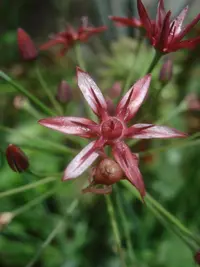
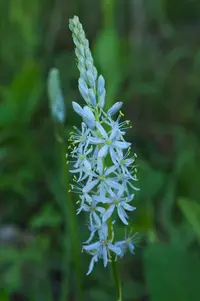
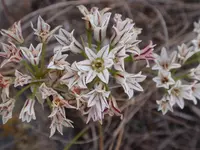
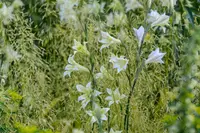
The ever-flowering gladiolus, Gladiolus tristis, is a bulb-forming perennial from South Africa, prized for its elegant, arching flower spikes and narrow, sword-like leaves. Its pale, often scented blooms open in succession, giving a soft, refined look rather than a bold, showy display.

In its native range it grows in winter-rainfall regions, usually in well-drained, sandy or gritty soils. It tends to prefer bright light, moderate moisture, and a dry rest after flowering. These seasonal needs make it slightly more demanding than common border gladiolus, but still manageable for attentive growers who want to learn how to care for ever-flowering gladiolus.

Main Plant Requirements

Care Difficulty

Moderate Care

Light Preference

Full Sun

Water Requirements

Moderate Water

Temperature Preference

Warm Climate

Hardiness Zone

8–10

Soil Texture

Sandy, Loamy, Organic-rich

Soil pH

Acidic (5.5–6.5), Slightly acidic (6.5–7.0)

Soil Drainage

Well-drained

Fertilization

Light (every 4–6 weeks)

Get Personalized Care Plan

Scan your plant to receive care tips personalized for your specific plant

Available on iOS and Android

How to Care for the ever-flowering gladiolus

Gladiolus tristis prefers bright, direct light for strong flowering and sturdy stems.

  • Provide 6–8 hours of direct sun daily, ideally with morning sun and light afternoon shade in hotter regions to prevent leaf scorch.
  • Tolerates light or dappled shade for 2–4 hours, but flowering will decrease compared with ever-flowering gladiolus grown in full sun.
  • Avoid deep shade, which leads to weak, floppy growth; in late winter or early spring, ensure competing plants or structures do not block increasing sun angles.

Gladiolus tristis benefits from steady but not excessive moisture during active growth.

  • Water when the top 3–5 cm of soil feels dry, aiming for evenly moist but never saturated soil during shoot and flower development.
  • Use free-draining soil or raised beds so water runs through quickly; soggy ground, yellowing leaves, or soft corms indicate overwatering and poor aeration.
  • Reduce watering after flowering as foliage starts to yellow, and keep the soil almost dry in dormancy to prevent corm rot, especially in heavier soils.

This species grows best in mild climates with cool to warm temperatures and protection from hard frost.

  • Aim for active growth in 60–75°F (16–24°C); moderate days and cool nights support strong foliage and flower spike development.
  • Tolerates brief drops to around 25–28°F (-4 to -2°C) when dormant, but repeated hard freezes can damage corms, especially in wet soil.
  • In hot areas, short periods up to 90°F (32°C) are acceptable if soil moisture is stable, but prolonged heat with dry soil can stunt growth and shorten blooming.

This species tolerates a wide humidity range but grows best in moderately dry air.

  • Aim for 30–50% humidity; no extra humidifying is usually needed in most homes.
  • Plants tolerate brief drier air, but prolonged very dry, heated rooms may crisp leaf tips and flower edges.
  • If tips brown and buds shrivel, move pots away from heating vents and group plants to slightly buffer humidity, which also benefits ever-flowering gladiolus cultivars.

Gladiolus tristis prefers loose, sharply draining soil that never stays waterlogged.

  • Use a sandy loam mix: 50–60% commercial potting mix, 20–30% coarse sand, and 10–20% perlite for drainage and aeration.
  • Keep pH slightly acidic to neutral, around 6.0–7.0, which supports nutrient uptake and root health.
  • In heavy clay sites, build a raised bed or mound with added sand and grit to prevent corm rot.
  • Avoid compacted, peat-heavy, or constantly wet substrates, which quickly suffocate the corms and fine roots.

This species is suitable for container growing when the pot supports its tall, narrow growth and corm needs.

  • Choose a pot at least 25–30 cm deep so corms can sit 8–10 cm below the rim with room for root expansion.
  • Use a heavier terracotta or clay container outdoors to reduce tipping as the tall flower spikes develop.
  • Place the container where wind is partially buffered, or wedge it among other pots, to keep top-heavy stems from leaning or snapping.

Gladiolus tristis benefits from light, focused feeding that supports flowering without promoting weak, floppy growth, which is central to ever-flowering gladiolus care instructions.

  • Use a balanced, water-soluble fertilizer (around 10-10-10) at 1/2 strength every 2–3 weeks during active spring–summer growth.
  • Alternatively, mix a small amount of slow-release balanced fertilizer into the planting area at the start of the season.
  • In lean soils, incorporate well-rotted compost into the top 5–8 cm before planting corms for gentle, long-term nutrition.
  • Stop feeding once leaves begin yellowing and the plant enters dormancy, and do not fertilize dry, stored corms.

Pruning for Gladiolus tristis focuses on cleaning and directing energy to the corm rather than shaping the plant.

  • Deadhead spent flower spikes promptly by cutting the stem just above the top leaves, leaving foliage to photosynthesize and recharge the corm.
  • Remove dead, diseased, or damaged leaves at the base with clean, sharp scissors or hand pruners to limit fungal problems.
  • After the first hard frost or once foliage has fully yellowed, cut stems down to soil level to tidy beds and ease lifting of corms.
  • Avoid cutting green, healthy leaves during the growing season, as this can reduce flowering quality in the next year.

Transplanting and lifting corms are more important for this species than frequent container repotting.

  • Plan to lift and divide clumps every 2–3 years, or when flowering declines and plants become crowded.
  • Schedule transplanting for late summer to early fall, after foliage has yellowed and dried, indicating dormancy.
  • Gently dig around the clump, lift corms with a fork, and shake off loose soil without breaking roots or cormels.
  • Replant corms at the same depth in fresh, well-drained soil, water lightly, and keep disturbance minimal to limit transplant shock.

Propagation of Gladiolus tristis is commonly done by division of corms and small cormels, with seed reserved for patient growers.

  • Lift dormant clumps in late summer or fall, separating main corms from attached cormels by hand.
  • Plant cormels 5–8 cm deep in well-drained soil, spacing them closely in a nursery bed; they usually need 2–3 seasons to flower.
  • For seed, sow fresh seed in trays of gritty mix, keep lightly moist at 60–70°F, and expect variable germination times.
  • Label and keep young plants weed-free and evenly moist, as small corms are more vulnerable to drying out and competition.

Winter care for Gladiolus tristis depends on climate, as corms are frost sensitive in colder regions.

  • In mild climates (roughly USDA zones 9–10), leave corms in the ground and apply a 5–8 cm mulch to buffer temperature swings.
  • In cooler zones, lift corms after foliage dies back, dry them in a shaded, airy place, and store at 40–50°F in paper bags.
  • Keep stored corms dry and check monthly, discarding any that show mold, soft spots, or shriveling.
  • Move container-grown plants under cover or indoors before frosts, ensuring the potting mix stays just barely dry during dormancy.

Care Tips

Staggered corm lifting

In colder or very wet winter regions, dig and lift only a portion of the corms each year while leaving some in the ground, which reduces total labor while still protecting a backup stock from rot or freeze damage.

Label by flowering time

When lifting corms, label batches by flowering period (early, mid, late) so you can replant in timed groups and extend the overall display rather than having all plants flower at once.

Use low windbreaks

Install short, permeable windbreaks such as low mesh or a row of sturdier perennials on the windward side to reduce stem snapping without shading these naturally tall, fine-stemmed plants.

Corm size selection

Sort stored corms by size and replant only firm, medium-to-large ones for flowering beds, reserving small offsets for a separate nursery row where they can bulk up for future seasons.

Targeted snail control

Before shoots emerge, place slug and snail traps or barriers along the planting row, since early leaf damage on the narrow foliage can severely reduce photosynthesis and weaken subsequent flowering when you grow Gladiolus tristis.

Common Pests and Diseases

Gladiolus thrips

This pest feeds on leaves, buds, and flowers, causing silver streaks, brown scarring, distorted blooms, and early drying of foliage and spikes.

Solution

Remove and destroy heavily damaged flower spikes and corms, then use a targeted insecticidal soap or spinosad spray, focusing on leaf sheaths and buds; repeat applications during warm, dry weather. After flowering, lift corms, discard badly damaged ones, and store the rest cool and dry to break the thrips life cycle.

Corm rot (Fusarium)

This disease causes brown, sunken lesions on corms, poor sprouting, yellowing foliage, and premature collapse of flowering spikes.

Solution

Lift plants showing symptoms, discard all soft or discolored corms, and avoid replanting in the same soil for several years. Before planting, choose firm, clean corms and treat them with a fungicidal dip or dust; ensure well‑drained soil and avoid overwatering to reduce infection pressure when you grow Gladiolus tristis.

Botrytis blight

This disease leads to water-soaked spots on leaves and flower spikes that turn brown, sometimes with a gray, fuzzy mold in cool, damp conditions.

Solution

Promptly remove and discard affected leaves and flower spikes, and improve air circulation by spacing plants and avoiding overhead watering. In wet seasons, a labeled ornamental fungicide can be applied preventively, especially just before prolonged cool, rainy periods.

Aphids

These insects cluster on soft stems, buds, and the underside of leaves, sucking sap and causing curling, distortion, and sticky honeydew that can lead to sooty mold.

Solution

Spray colonies off with a strong stream of water, then treat remaining insects with insecticidal soap or horticultural oil, making sure to cover leaf undersides and flower stems. Control nearby ant activity and remove heavily infested flower stalks to reduce re-infestation and virus spread.

Viral mosaics

Symptoms include mottled or streaked leaves, distorted flowers, and reduced vigor, often introduced and spread by sucking insects such as aphids and thrips.

Solution

Immediately remove and destroy plants showing consistent mosaic or streaking patterns and do not save their corms. Control aphids and thrips, sterilize cutting tools with alcohol between plants, and start new stock from certified virus-free corms to keep plantings clean.

Interesting Facts

Night-scented flowers

This species opens its pale, star-shaped flowers mainly in the evening and releases a strong, sweet fragrance at night, likely adapted to attract nocturnal moth pollinators.

Winter-growing bulb

In its native South African winter-rainfall regions, it grows from corms during the cool, wet season and becomes dormant in the hot, dry summer, an adaptation to a Mediterranean-type climate.

Marshy habitat specialist

In the wild it often occurs in seasonally moist or marshy lowland areas and along stream margins, tolerating heavier, periodically waterlogged soils better than many other gladiolus species.

Botan icon

Did you know?

Historical records show that this species was among the earliest gladiolus introduced to European horticulture in the 17th century, where its strong evening perfume made it a favored greenhouse plant in Victorian collections.

FAQs about ever-flowering gladiolus

Poor flowering often results from insufficient light, depleted soil nutrients, or corms that have become crowded. Check for competition from surrounding plants, refresh the soil with balanced fertilizer, and divide congested clumps every few years.

Grow Healthy Plants with Botan Care

Keep your plants happy and healthy with plant identification, disease detection, and easy care guidance.

Botan plant care app — identify plants on mobile

Explore More Plants