Begonia Care (Begonia boliviensis Bonfire®)

About Begonia

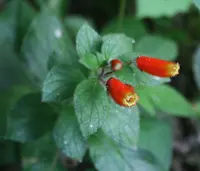
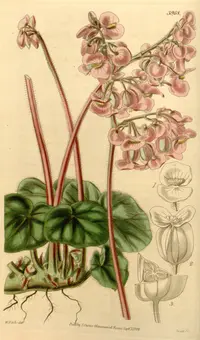
Begonia boliviensis Bonfire® is a tender perennial often grown as an annual, valued for its arching stems and abundant tubular flowers. It is commonly used in hanging baskets, containers, and bright borders.

This cultivar forms a cascading habit with narrow leaves and vivid orange to red blooms that stand out through the warm season. It originates from the Bolivian Andes, where conditions are cool, bright, and humid.

These traits mean it prefers bright but not intense direct sun, consistent moisture, and well-drained, airy soil. Understanding how to care for Begonia becomes easier when its natural, mild mountain climate is kept in mind.

Main Plant Requirements

Care Difficulty

Moderate Care

Light Preference

Partial Sun

Water Requirements

Moderate Water

Temperature Preference

Tropical / Frost Sensitive

Hardiness Zone

10–11

Soil Texture

Loamy, Peaty, Organic-rich

Soil pH

Acidic (5.5–6.5), Slightly acidic (6.5–7.0)

Soil Drainage

Moist but well-drained

Fertilization

Moderate (every 2–4 weeks)

Get Personalized Care Plan

Scan your plant to receive care tips personalized for your specific plant

Available on iOS and Android

How to Care for the Begonia

This plant performs best in bright, gentle light that avoids harsh midday exposure.

  • Provide 4–6 hours of morning sun with light afternoon shade or filtered light under open trees or shade cloth.
  • Tolerates partial shade, but stems stretch and flowering drops if light falls below roughly 3–4 sun hours per day.
  • Protect from intense midday or late-afternoon sun, which can scorch leaves and fade flowers; increase shade in midsummer in hot regions for better Begonia indoor care.

This tuberous plant prefers evenly moist, not soggy, soil around its roots.

  • Water when the top 2–3 cm of soil feels dry, allowing deeper soil to stay slightly moist but never waterlogged.
  • Improve drainage with organic matter and avoid standing water; yellowing, mushy stems signal overwatering, while crisp, drooping leaves suggest underwatering.
  • Reduce watering in cool, short-day periods and after flowering, letting the soil dry a bit more as the plant moves toward dormancy.

Stable, mild temperatures support strong growth and continuous flowering.

  • Ideal growth occurs at 65–75°F (18–24°C), with slightly cooler nights improving flower set and overall vigor.
  • Avoid temperatures below 50°F (10°C); foliage and stems are damaged by light frost and tubers can be killed by hard freezes.
  • Tolerates short heat spells up to about 85°F (29°C) if shaded and well watered; in prolonged heat, increase shade and airflow to limit stress.

This plant benefits from moderate to moderately high humidity for sustained flowering and foliage quality.

  • Aim for 40–60% humidity; it tolerates brief dips lower but growth and blooms may slow.
  • Crisping leaf edges, puckered foliage, and buds aborting before opening indicate air is too dry.
  • Increase humidity with nearby trays of water and pebbles or grouping plants, avoiding direct misting on flowers and leaves.

Use a light, airy, organic-rich substrate that drains quickly yet retains moderate moisture.

  • Choose a loose mix based on peat or coco coir with added compost for nutrients and structure.
  • Improve drainage and aeration by blending in 30–40% perlite or fine bark, so water runs through in a few seconds.
  • Target slightly acidic to neutral pH around 6.0–7.0, which supports nutrient availability for Begonia boliviensis Bonfire®.
  • Avoid dense garden soil, unamended clay, or pots that hold waterlogged mix, which rapidly causes root and tuber rot.

This species is very suitable for container growing, especially hanging baskets and patio pots.

  • Select a broad, shallow to medium-deep pot that allows fibrous roots and tuber to spread without crowding.
  • Use a stable, heavier container or add weight in wind-exposed spots to prevent the arching stems from tipping the pot.
  • Ensure drainage holes stay fully open by placing coarse material or a mesh over them, not a compact layer of rocks.

This plant responds well to light, consistent feeding during active growth.

  • Use a balanced water-soluble fertilizer (such as 10-10-10 or 20-20-20) diluted to 1/4–1/2 strength for Begonia during spring and summer.
  • Apply every 2–3 weeks in containers, or use a slow-release fertilizer once at the start of the season.
  • Avoid feeding in late fall and winter when growth slows or plants are dormant.
  • Flush pots with plain water every 4–6 weeks to limit salt buildup and root stress.

Thoughtful pruning keeps Begonia boliviensis Bonfire® compact and encourages strong flowering.

  • In late winter or early spring, remove dead, weak, or frost-damaged stems with clean, sharp scissors or pruners.
  • Pinch soft tips during active growth to promote bushier plants and more flower-bearing side shoots.
  • Thin crowded stems to improve air flow, which reduces fungal issues and maintains a tidy shape.
  • Deadhead spent flower clusters by snipping just above a leaf node to extend the blooming period.

Container-grown plants benefit from occasional repotting to maintain vigorous growth.

  • Check for roots circling the pot, emerging from drainage holes, or slowed growth as signs Begonia boliviensis Bonfire® needs more space.
  • Plan to repot every 1–2 years in early spring before strong new growth begins.
  • Move into a pot only 2–5 cm wider, using fresh, well-drained mix, and handle the fibrous roots gently.
  • Water thoroughly after repotting, then keep in bright, indirect light for 3–7 days to reduce transplant shock.

This plant is commonly propagated from stem cuttings for consistent color and form.

  • Take 7–10 cm non-flowering stem cuttings in late spring or early summer from healthy Begonia boliviensis Bonfire® shoots.
  • Remove lower leaves, leaving 1–2 at the tip, and dip the cut end in rooting hormone if available.
  • Insert cuttings into a moist, well-drained, sterile mix and keep at 68–75°F with bright, indirect light.
  • Maintain high humidity using a loose plastic cover or propagation dome, venting daily until firm roots form.

This tender plant is not frost hardy and needs active winter management in cold climates.

  • In regions below about 32°F, grow in containers or lift tuberous roots before hard frost.
  • Cut back stems after the first light frost, then gently dig and dry tubers in a cool, airy place.
  • Store dry tubers at 40–50°F in barely moist peat or vermiculite until spring replanting.
  • In mild climates, mulch the root zone 5–8 cm deep to buffer soil temperature swings and conserve moisture.

Care Tips

Pinch Early Shoots

Pinch back the soft tips of young stems once they reach 10–15 cm to encourage a bushier, more compact plant with more flowering side shoots.

Provide Hanging Support

Grow this plant in a hanging basket or tall container and gently redirect trailing stems over the rim as they elongate so the display stays even and stems do not kink or break at the edge.

Rotate for Even Growth

Turn containers 90° every 7–10 days during active growth so all sides receive similar light, which prevents the plant from becoming lopsided and reduces strain on brittle stems.

Deadhead With Care

Remove spent flowers by snapping or cutting just above the nearest healthy leaf node, which reduces rot risk at the base of old blooms and directs energy into new buds.

Seasonal Renewal Plan

In cool climates, treat plants as seasonal color and take cuttings 6–8 weeks before frost to root under cover, maintaining preferred genetics and simplifying caring for Begonia from year to year.

Common Pests and Diseases

Powdery mildew

This disease appears as a white, powdery film on leaves, stems, and flower stalks, often starting on older foliage and shaded areas. Symptoms include distorted growth and premature yellowing and drop of leaves in humid, stagnant air conditions.

Solution

Improve air circulation around the plant, avoid overhead watering, and keep foliage as dry as possible. Remove heavily infected leaves and treat remaining growth with a labeled sulfur or potassium bicarbonate fungicide, repeating as directed until new growth stays clean.

Botrytis blight

This disease causes soft, water-soaked patches on leaves, stems, and flowers that quickly develop gray, fuzzy mold, especially in cool, damp conditions. Symptoms include collapsed stems, bud drop, and rotting flower clusters at the center of the plant or in crowded hanging baskets.

Solution

Remove and discard all affected tissue, including spent flowers and soft stems, and improve ventilation by thinning dense growth and spacing containers. Water at the base in the morning, keep foliage dry, and if needed, apply a labeled botrytis fungicide to protect healthy tissue during wet, cool periods.

Thrips

These insects rasp the leaf and petal surfaces, leaving silvery streaks, speckling, and brown edges on the narrow foliage and flowers. This pest often hides in flower buds and leaf axils, causing deformed blooms and distorted new growth.

Solution

Isolate affected plants, then rinse foliage and flower clusters thoroughly with a strong but gentle stream of water to remove many insects. Follow with applications of insecticidal soap or neem oil, making sure to spray the undersides of leaves and inside flower clusters every 5–7 days until new growth appears undamaged; use sticky traps nearby to help monitor populations.

Mealybugs

This pest appears as white, cottony clusters in leaf axils, along stems, and sometimes on roots, feeding on plant sap and excreting sticky honeydew. Symptoms include stunted growth, yellowing leaves, and sooty mold growing on the honeydew in dense, hanging plants.

Solution

Swab visible insects with cotton buds dipped in 70% isopropyl alcohol and prune heavily infested stems, disposing of them outside. For broader infestations, apply insecticidal soap or neem oil thoroughly to stems, leaf bases, and the pot rim every 7–10 days, and consider repotting if root mealybugs are suspected, discarding old soil and inspecting roots carefully.

Bacterial leaf spot

This disease causes small, water-soaked spots on leaves that enlarge into brown or black lesions with yellow halos, often starting on lower foliage splashed with contaminated water. Symptoms include leaf edge tattering, drop of older leaves, and a general thinning of the plant canopy under warm, wet conditions.

Solution

Remove and discard affected leaves promptly and avoid overhead watering or splashing from pot to pot to reduce spread. Improve spacing and airflow, water at the soil level in the morning, and in future cycles use clean tools and fresh potting mix; severely affected plants are best discarded to protect nearby begonias and support successful Begonia indoor care.

Interesting Facts

Natural cliff specialist

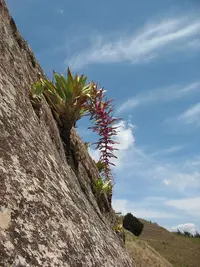
This cultivar traces back to wild Bolivian populations that grow on steep, rocky cliffs where roots anchor into crevices with fast-draining, low-organic substrates and frequent mist rather than deep soil.

Pendulous tubular blooms

Its elongated, drooping flowers are adapted from the wild species’ tubular form, which in nature facilitates pollination by hummingbirds that can easily access nectar while hovering beneath the blooms.

Hybrid selection history

Bonfire is not a wild form but a selected hybrid line developed from Bolivian-type begonias to combine the species’ trailing habit with stronger branching, heavier flowering, and reliable performance in container culture.

Botan icon

Did you know?

In trial gardens across temperate regions, this cultivar has been repeatedly noted for continuing to flower through a wide range of summer weather conditions, from cool, overcast periods to short hot spells, which is unusual consistency for a tuberous, cliff-origin begonia.

FAQs about Begonia

Weak flowering usually comes from low light, depleted fertilizer, or heat stress. Check that the tuber is not overcrowded, refresh potting mix annually, and feed lightly during the growing season to support repeat blooms.

Grow Healthy Plants with Botan Care

Keep your plants happy and healthy with plant identification, disease detection, and easy care guidance.

Botan plant care app — identify plants on mobile

Explore More Plants