Vietnamese coriander Care (Persicaria odorata)

Vietnamese coriander

About Vietnamese coriander

Vietnamese coriander, Persicaria odorata, is a fast-growing, tender perennial herb often grown as an annual in cooler climates. It is commonly used as a fresh leafy herb in Southeast Asian cuisine.

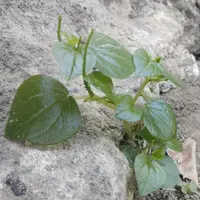
The plant forms dense, low mounds of narrow, pointed leaves, usually green with a darker V-shaped marking along the blade. Stems are semi-trailing and can root where they touch moist soil.

In the wild it favors warm, humid regions of Southeast Asia, thriving along damp edges and in cultivated gardens. This background explains its preference for consistently moist soil, moderate light, and mild temperatures.

These traits make it relatively easy to grow in pots or garden beds, provided it does not dry out completely. Understanding how to care for Vietnamese coriander mainly involves managing moisture and warmth.

Main Plant Requirements

Care Difficulty

Moderate Care

Light Preference

Partial Sun

Water Requirements

Keep Soil Moist

Temperature Preference

Tropical / Frost Sensitive

Hardiness Zone

10–11

Soil Texture

Loamy, Silty, Organic-rich

Soil pH

Acidic (5.5–6.5), Slightly acidic (6.5–7.0)

Soil Drainage

Moist but well-drained

Fertilization

Light (every 4–6 weeks)

Get Personalized Care Plan

Scan your plant to receive care tips personalized for your specific plant

Available on iOS and Android

How to Care for the Vietnamese coriander

This plant prefers bright, indirect light with some direct sun in cooler parts of the day.

  • Provide 4–6 hours of morning sun or filtered light; shield from strong midday sun to prevent leaf scorch.
  • Tolerates partial shade, but in very dim spots stems stretch, leaves pale, and flavor weakens in Vietnamese coriander.
  • In summer, use dappled shade or light cloth in hot climates; in winter, move to the brightest outdoor or window spot available.

This moisture-loving herb thrives in consistently damp but not waterlogged soil.

  • Water when the top 1–2 cm of soil is just starting to dry; soil below should still feel cool and moist.
  • Use rich, well-drained soil that holds moisture; avoid standing water, which leads to root rot and sour smell.
  • In hot weather increase watering and watch for wilting or crisp leaf edges; in cooler months, reduce slightly and watch for yellowing from overwatering.

This species prefers warm, frost-free conditions for steady growth.

  • Aim for 70–86°F (21–30°C) for best growth; plants slow noticeably below 65°F (18°C).
  • Protect from cold; foliage is damaged near 40°F (4°C) and roots may die with frost or freezing soil.
  • In hot summers above 90°F (32°C), give extra water and partial shade to limit heat stress, leaf scorch, and loss of aroma.

This herb prefers moderately high humidity to maintain tender, aromatic foliage.

  • Aim for 50–70% humidity, as Vietnamese coriander often develops crisper, less flavorful leaves in very dry air.
  • Dry indoor air causes leaf-edge browning, curling, and slower growth, especially near heaters or strong drafts.
  • Group plants, place pots on pebble trays with water, or grow near a humid kitchen area to raise local humidity.

This species grows best in consistently moist, airy, organic-rich soil.

  • Use a loose, loamy mix of roughly 2 parts compost or peat-free potting mix to 1 part fine bark or perlite for structure.
  • Ensure drainage that is steady but not rapid, so the soil stays evenly moist without prolonged waterlogging that can suffocate roots.
  • A slightly acidic to neutral pH around 6.0–7.0 suits Persicaria odorata and supports nutrient availability for leafy growth.
  • Avoid heavy, compacted, or constantly saturated clay; lighten dense soils by incorporating coarse sand and organic matter for better aeration.

This plant is well suited to container growing for easy access to fresh leaves.

  • Choose a wide container to accommodate its spreading habit and reduce the risk of stems hanging over and stressing at the rim.
  • Use a pot that maintains moisture, such as glazed ceramic or thick plastic, to prevent the mix from drying too rapidly in sun or wind.
  • Stabilize outdoor containers by placing them in a heavier cachepot or against a support, since vigorous top growth can make pots tip-prone.

Persicaria odorata grows fast and benefits from light, consistent feeding during the warm growing season.

  • Use a balanced liquid fertilizer (such as 10-10-10) at 1/2 strength every 3–4 weeks from spring through late summer.
  • Supplement with a thin layer of compost around the base to support leafy growth and soil life.
  • Avoid slow-release pellets in small pots, which can lead to excess salts; flush the soil with plain water occasionally.
  • Stop feeding in fall and winter when growth slows, especially for Vietnamese coriander kept indoors.

Persicaria odorata responds well to light, frequent trimming that keeps plants compact and leafy.

  • Pinch or cut soft tips during active growth in spring and summer to encourage bushier side shoots.
  • Remove dead, yellowing, or damaged stems at the base with clean scissors or pruners to maintain hygiene.
  • Thin crowded, leggy stems to improve airflow and reduce fungal problems in dense plantings.
  • Harvest stems above a leaf node rather than at soil level to maintain a low, branching shape.

This vigorous herb often needs periodic transplanting or division to maintain healthy, leafy growth.

  • Look for roots circling the pot, water running straight through, or slowed growth as signs a container plant needs more space.
  • Plan to repot every 1–2 years in spring, using a slightly larger pot and moisture-retentive, well-drained mix.
  • Gently loosen circling roots and trim broken ones, then water thoroughly to settle soil and reduce transplant shock.
  • For garden clumps, lift and divide in spring, replanting sections promptly and shading for a few days while roots re-establish.

New plants of Persicaria odorata are most often produced from stem cuttings taken during warm weather.

  • In late spring to summer, cut 8–12 cm non-flowering stems just below a node, removing lower leaves.
  • Root cuttings in water or moist, free-draining mix, keeping nodes submerged or buried and humidity high.
  • Provide bright, indirect light and warmth around 70–80°F to speed rooting and reduce stress.
  • Division of well-established clumps in spring is another reliable method, replanting sections promptly and watering well.

This tropical herb is frost-sensitive and needs protection in regions with cold winters.

  • Move container plants indoors before night temperatures drop near 40°F, placing them in bright, cool conditions.
  • In mild climates, apply a light mulch around the root zone to buffer brief cool spells.
  • Cut back damaged tops after cold snaps, but keep crowns slightly covered to encourage regrowth in warm weather.

Care Tips

Regular stem renewal

Every 4–6 weeks, cut back the oldest, woodiest stems to 3–5 cm above the soil to trigger fresh, leafy growth that keeps the plant tender and aromatic for harvest.

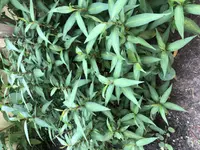
Dense bush shaping

Pinch out soft tips above a leaf node whenever stems reach 10–15 cm long to encourage side branching and create a low, dense mound that resists lodging in wind and rain.

Segmented propagation row

When harvesting longer shoots, root 8–10 cm tip cuttings in a separate tray or pot so there is always a staggered succession of young plants ready to replace any that become leggy or tired.

Moisture-buffer mulching

Apply a 1–2 cm layer of fine bark or straw mulch on outdoor containers or beds to stabilize soil moisture and reduce splash-back that can spread soil-borne pathogens onto lower leaves.

Seasonal pot rotation

Rotate and slightly re-space pots every 1–2 weeks during peak growth so all sides receive comparable light and airflow, which helps produce uniform foliage and reduces local humidity pockets that favor fungal spots when caring for Vietnamese coriander.

Common Pests and Diseases

Leaf spot

This disease causes small water-soaked or brown lesions on leaves that can enlarge, merge, and lead to yellowing and premature leaf drop, especially in warm, humid conditions.

Solution

Remove and discard affected leaves, avoid overhead watering, and water early in the day so foliage dries quickly. Improve air circulation around the plant and, if spotting continues to spread, use a copper-based fungicide or biofungicide labeled for edible herbs, following the lowest effective dose.

Downy mildew

This disease produces pale or yellow patches on the upper leaf surface with a grayish, downy growth underneath, and often appears during cool, damp weather or when plants are crowded.

Solution

Remove heavily infected leaves to reduce spore load and improve spacing so air moves freely through the foliage. Water at soil level, avoid wetting leaves, and if conditions stay favorable for disease, apply an appropriate downy mildew fungicide approved for herbs, rotating products to reduce resistance risk.

Aphids

These insects cluster on tender tips and undersides of leaves, sucking sap and causing curling, distortion, and sticky honeydew that can attract sooty mold.

Solution

Spray stems and leaf undersides with a strong stream of water to dislodge colonies, repeating every few days as needed. For persistent infestations, use insecticidal soap or neem oil sprayed thoroughly on affected areas, avoiding treatment during the hottest part of the day to reduce leaf burn.

Spider mites

This pest thrives in hot, dry conditions and causes fine stippling, bronzing, and eventual leaf drop, often with delicate webbing between stems and leaves.

Solution

Increase humidity around plants and rinse foliage thoroughly, focusing on leaf undersides, to knock mites off and reduce their numbers. If damage continues, apply insecticidal soap or a miticide labeled for edibles, repeating at 5–7 day intervals until new growth appears clean.

Cutworm damage

These insects feed at night and can chew through young stems at soil level, causing sudden wilting or complete collapse of recently planted or tender Vietnamese coriander shoots.

Solution

Handpick cutworms in the evening or early morning by checking the soil surface around damaged plants, and use cardboard or plastic collars pressed a few cm into the soil around stems as a barrier. Keeping garden beds free of plant debris and using shallow cultivation near the surface disrupts hiding spots and pupae of this pest.

Interesting Facts

Aromatic leaf chemistry

The leaves contain a distinctive mix of aldehydes and terpenoids that gives a peppery, coriander-like aroma with a citrus note, which intensifies when the foliage is lightly crushed.

Warm-climate specialist

This species is native to tropical and subtropical Southeast Asia and grows best in consistently warm, frost-free conditions, which is why it rarely overwinters outdoors in cooler climates.

Culinary role in Vietnam

In Vietnamese cuisine the plant, known as rau răm, is a common fresh herb used with fertilized duck eggs (balut), salads, and fresh rolls, where its strong, slightly spicy flavor helps balance rich or gamey foods.

Botan icon

Did you know?

Unlike many culinary herbs that lose much of their flavor when cooked, this species retains a strong aroma and taste even after brief heating, which makes it useful in hot soups and broths in several Southeast Asian cuisines.

FAQs about Vietnamese coriander

Brown leaf edges usually result from underwatering, low humidity, or excess fertilizer salts in the potting mix. Check soil moisture, flush the container occasionally, and avoid letting the substrate dry out completely between waterings.

Grow Healthy Plants with Botan Care

Keep your plants happy and healthy with plant identification, disease detection, and easy care guidance.

Botan plant care app — identify plants on mobile

Explore More Plants