Seasonal mulching
Apply a 3–5 cm layer of shredded leaf mulch around the root zone in late spring to conserve soil moisture, suppress weeds, and keep the shallow rhizomes cool without burying the crowns.

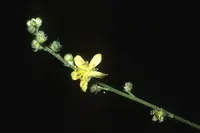
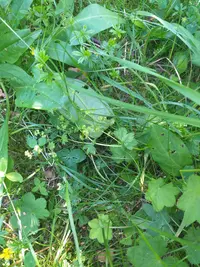
Beaked agrimony (Agrimonia rostellata) is a perennial wildflower in the rose family, valued more for its ecological role than for showy garden display. It forms upright, slender stems with divided, toothed leaves and small yellow flowers that develop into distinctive hooked fruits, which cling to fur and clothing.
This species is native to eastern and central North America, where it grows in open woods, thickets, and along stream edges. It is generally undemanding once established, so learning how to care for beaked agrimony focuses mainly on providing moderately moist, well-drained soil and light ranging from partial shade to sun.

Care Difficulty
Easy Care

Light Preference
Full Sun

Water Requirements
Moderate Water

Temperature Preference
Cold Hardy

Hardiness Zone
3–8

Soil Texture
Loamy, Silty, Organic-rich

Soil pH
Acidic (5.5–6.5), Slightly acidic (6.5–7.0)

Soil Drainage
Moist but well-drained

Fertilization
Minimal (feed rarely)
Scan your plant to receive care tips personalized for your specific plant
Available on iOS and Android
This woodland perennial prefers bright conditions with some protection from intense midday sun.
This species prefers consistently moist, well-drained soil rather than extremes of drought or saturation.
This hardy perennial tolerates a wide temperature range typical of temperate climates.
This species is adapted to outdoor conditions and does not require special humidity management in cultivation.
Agrimonia rostellata prefers moderately moist, well-drained, loamy soil with steady structure.
This species can be grown in containers outdoors if the pot is deep and drains efficiently.
This native perennial usually thrives in average garden soil and needs only light feeding to stay healthy.
Pruning Agrimonia rostellata is simple and mainly aims to keep plants tidy and flowering well.
This species is most often grown in the ground, so focus on careful transplanting rather than frequent repotting.
Agrimonia rostellata is commonly propagated by seed or by dividing established clumps.
This hardy perennial tolerates typical winters in much of the US and usually needs minimal winter care.

Plant Health Check
Not sure what's wrong with your plant? Check your plant's health inside the app.
This species is strongly associated with dry to mesic deciduous forests and woodland edges in eastern North America, often appearing where there is light-filtered shade and relatively undisturbed leaf litter.
Its small burr-like fruits carry a circle of distinctly curved, beak-like bristles that readily cling to animal fur or clothing, an adaptation that helps the plant disperse its seeds away from the parent patch.
Compared with several related agrimony species, it typically flowers later in the growing season, providing nectar and pollen for insects when many woodland herbs have already finished blooming.

Genetic and morphological studies place this species in a distinct North American lineage within the genus Agrimonia, reflecting a long evolutionary history separate from most of the European agrimonies often referenced in herbal literature.
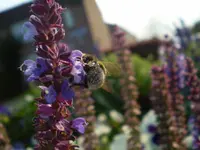
This species is a good pollinator plant. Its small yellow flowers produce accessible nectar and pollen that support native bees, hoverflies, and some butterflies. Planting several clumps together increases visibility and foraging value in wildlife gardens.
Keep your plants happy and healthy with plant identification, disease detection, and easy care guidance.