Alchemilla baltica Care

Alchemilla baltica

About Alchemilla baltica

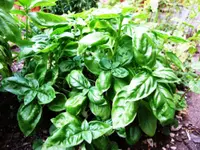
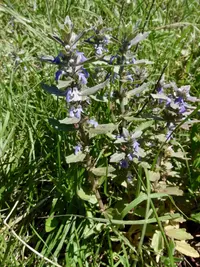
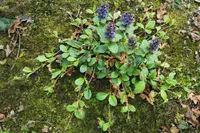
Alchemilla baltica is a herbaceous perennial from the rose family, related to other lady’s mantle species. It forms low, mounded clumps of softly lobed, often slightly hairy leaves. In season, it produces airy sprays of small, yellow-green flowers that sit above the foliage and create a fine-textured, cloud-like effect.

This species is native to parts of Eastern Europe, typically found in open, moderately moist habitats. It is generally undemanding, which makes it suitable for borders, informal plantings, and naturalistic gardens.

Gardeners who want to learn how to care for Alchemilla baltica will find it prefers cool to mild conditions, consistent moisture, and well-drained soil with at least partial sun exposure.

Main Plant Requirements

Care Difficulty

Easy Care

Light Preference

Partial Shade

Water Requirements

Moderate Water

Temperature Preference

Cold Hardy

Hardiness Zone

4–7

Soil Texture

Loamy, Silty, Organic-rich

Soil pH

Acidic (5.5–6.5), Slightly acidic (6.5–7.0)

Soil Drainage

Moist but well-drained

Fertilization

Minimal (feed rarely)

Get Personalized Care Plan

Scan your plant to receive care tips personalized for your specific plant

Available on iOS and Android

How to Care for the Alchemilla baltica

This perennial prefers cool, bright conditions with shelter from harsh midday sun.

  • Provide 3–6 hours of morning or late-afternoon sun with light shade at midday to prevent leaf scorch.
  • Plant Alchemilla baltica where it receives dappled or open shade, especially in hotter regions or south- and west-facing beds.
  • Watch foliage color and vigor; pale, floppy growth suggests too much shade, while crisped or bleached leaf edges indicate excessive direct sun.

This species prefers consistently moist, cool soil without becoming waterlogged.

  • Water when the top 2–3 cm of soil feels slightly dry, aiming for evenly moist soil during active growth in spring and early summer.
  • Use soil with good drainage and, in heavy clay, amend with compost or grit so excess water drains and roots do not sit in standing water.
  • Limp, dry, browning leaves suggest underwatering, while yellowing foliage, soft stems, or a musty smell indicate overwatering and poor drainage.

This hardy perennial tolerates cool climates but grows best in moderate temperatures.

  • Active growth is strongest around 55–70°F (13–21°C), with flowering and foliage quality best in cooler summer conditions.
  • Established plants usually survive winter frosts down to about -20°F (-29°C) when grown in the ground with mulched roots.
  • In hot summers above 80–85°F (27–29°C), provide more shade and maintain soil moisture to reduce heat stress on Alchemilla baltica.

This species handles typical outdoor humidity well and usually does not need special humidity management.

  • Optimal growth occurs at roughly 40–60% humidity, which is common in many temperate gardens.
  • Plants tolerate short dry spells but may develop crisp leaf edges and slower growth if air stays very dry and hot.
  • In prolonged dry, windy weather, reduce humidity stress by mulching the soil and watering early in the morning.

This plant prefers moist, well-structured soil that drains freely yet does not dry out rapidly.

  • Use a loamy mix with moderate organic matter, such as garden loam blended with compost and a small amount of sharp sand.
  • Aim for a slightly acidic to neutral pH around 6.0–7.0 to support nutrient availability and root health.
  • Improve drainage and aeration by incorporating coarse sand or fine gravel, especially in heavier clay-based soils.
  • Avoid waterlogged, compacted, or pure clay sites, as Alchemilla baltica is prone to root problems in poorly drained conditions.

This species adapts well to container growing when moisture and drainage are carefully balanced.

  • Choose a wide, moderately deep pot to allow its spreading crown and fibrous roots to expand horizontally without crowding.
  • Use a heavier material such as terracotta or ceramic to keep the container stable as the plant forms a dense leafy mound.
  • Raise the pot slightly on feet or bricks so drainage holes stay clear and excess water can escape quickly after rainfall or irrigation.

This species grows in fairly lean soils and needs only modest feeding for best performance.

  • Apply a light dressing of garden compost or well-rotted manure around the clump in early spring.
  • If growth appears weak, use a balanced NPK granular or slow-release fertilizer at half strength once in spring.
  • Avoid high-nitrogen products that push soft, floppy foliage rather than sturdy growth.
  • Do not feed Alchemilla baltica in late fall or winter to prevent untimely soft growth.

Pruning is mainly used to keep the plant tidy and encourage fresh foliage.

  • Cut back spent flower stems in mid to late summer to reduce self-seeding and maintain shape.
  • Shear the entire clump lightly after flowering to stimulate compact new leaf growth.
  • Remove any dead, damaged, or diseased leaves as they appear using clean, sharp scissors or hand pruners.
  • In late fall, trim back old foliage close to the crown, leaving new basal growth intact.

This species is more often transplanted in garden beds than grown long term in containers.

  • Divide and transplant clumps in early spring or early fall, when temperatures are mild.
  • Lift and move plants when growth slows, centers become woody, or flowering declines, typically every 3–4 years.
  • Replant divisions at the same soil depth in well-drained soil, watering thoroughly to settle roots and reduce air pockets.
  • Shade newly moved plants lightly and keep soil evenly moist for 1–2 weeks to minimize root stress in Alchemilla baltica.

Gardeners commonly increase this plant by division or seed to refresh or expand plantings.

  • Divide mature clumps in early spring or early fall, lifting and splitting them into sections with several buds and roots.
  • Replant divisions promptly into moist, well-drained soil, spacing them so crowns sit at original depth.
  • Sow fresh seed on the soil surface in trays outdoors in fall or late winter; cold exposure supports germination.
  • Keep seed trays just moist and in bright, indirect light until seedlings are large enough to handle.

This hardy perennial tolerates typical temperate winters and usually needs only minimal attention.

  • Once foliage dies back after frost, it can be left as light cover or cut away for neatness.
  • Apply a 3–5 cm mulch of compost or leaf mold around the crowns in colder regions to buffer soil temperature.
  • Container-grown plants in very cold climates benefit from moving to a sheltered, unheated but frost-free spot.

Care Tips

Shear After Flowering

Cut back spent flower stems and the top 2–3 cm of foliage after the main bloom to trigger a fresh flush of compact, healthy leaves and reduce self-seeding into surrounding beds.

Edge Containment

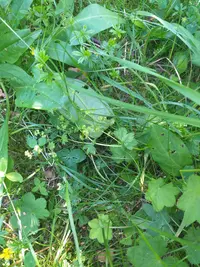
Install a shallow physical barrier 10–15 cm deep around beds or paths to stop creeping rhizomes and seedlings from colonizing lawn or gravel areas while still allowing the plant to form a full clump.

Mulch To Protect Crowns

Apply a thin, open-textured mulch layer around but not over the plant crowns to keep soil cooler, reduce weed pressure, and prevent crown rot from prolonged moisture contact.

Spot Deadhead For Control

Pinch or snip off only the most advanced seed heads every few days during flowering if you want some ornamental seed but less spread, focusing on stems leaning into paths or closely planted borders.

Monitor For Rust

Inspect leaves regularly for orange-brown rust pustules and remove affected foliage promptly, disposing of it in the trash rather than compost, which helps maintain healthier foliage when caring for Alchemilla baltica.

Common Pests and Diseases

Powdery mildew

This disease causes a white, powdery coating on leaves, often starting on older foliage in dense clumps or shaded, humid spots.

Solution

Remove the most affected leaves, thin crowded growth to improve airflow, avoid overhead watering, and water at the base in the morning; if needed, apply a sulfur or potassium bicarbonate fungicide labeled for outdoor ornamentals, following directions closely for Alchemilla baltica care instructions in garden settings.

Leaf spot

This disease produces small brown to black spots that may merge into larger blotches, sometimes with yellow halos, especially in prolonged wet weather.

Solution

Cut off and discard affected leaves, keep foliage as dry as possible by watering at soil level, increase spacing or divide congested clumps, and use a copper-based fungicide during very wet periods if spots continue to spread.

Aphids

These insects cluster on young stems and undersides of leaves, sucking sap and causing curling, distortion, and sticky honeydew that can attract sooty mold.

Solution

Spray colonies off with a firm stream of water, encourage natural predators such as lady beetles, and if needed treat the foliage with insecticidal soap or a light horticultural oil, making sure to cover leaf undersides.

Slugs and snails

These pests chew irregular holes in leaves, often along the edges, and can skeletonize young foliage in damp, shaded sites.

Solution

Hand-pick at dusk or early morning, reduce hiding places such as dense mulch and debris, use iron-phosphate slug pellets where damage is heavy, and consider copper barriers or rough, dry mulches around clumps to deter feeding.

Interesting Facts

Restricted Baltic range

This species is naturally confined to coastal regions around the Baltic Sea, where it grows in relatively cool, temperate climates and often in calcareous, moderately dry soils.

Fine-textured leaf surface

Compared with better-known lady’s mantle species, its leaves are smaller and more finely textured, which helps reduce water loss and suits it to relatively open, breezy sites in its native habitats.

Low-growing habit

The plant forms a compact, low mound that hugs the ground, an adaptation that offers some protection from wind exposure and temperature fluctuations typical of Baltic coastal conditions.

FAQs about Alchemilla baltica

This species spreads slowly by short rhizomes and self-seeding. It usually forms modest clumps rather than large colonies. In most gardens it is not considered aggressive, but seedlings can be thinned if needed.

Grow Healthy Plants with Botan Care

Keep your plants happy and healthy with plant identification, disease detection, and easy care guidance.


Botan plant care app — identify plants on mobile

Explore More Plants