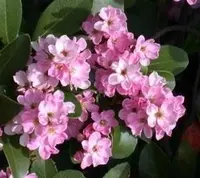
green lavender cotton Care (Santolina virens)

green lavender cotton

About green lavender cotton

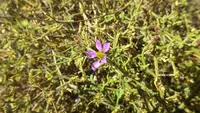
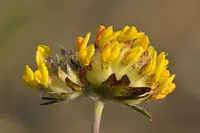
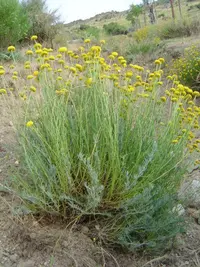
Green lavender cotton, Santolina virens, is a compact evergreen shrub grown mainly for its fine, aromatic foliage rather than its flowers. It forms low, rounded mounds of bright green, finely divided leaves that give a soft, textured look in borders, rock gardens, and coastal plantings.

This species is native to Mediterranean regions, so it naturally adapts to sunny, dry, and windy sites with poor, well-drained soil. Its drought tolerance and resistance to many pests make it relatively simple to care for green lavender cotton in suitable conditions.

Main Plant Requirements

Care Difficulty

Easy Care

Light Preference

Full Sun

Water Requirements

Low Water

Temperature Preference

Warm Climate

Hardiness Zone

6–9

Soil Texture

Sandy, Loamy, Rocky

Soil pH

Slightly alkaline (7.0–7.5), Alkaline (7.5–8.5)

Soil Drainage

Well-drained

Fertilization

Minimal (feed rarely)

Get Personalized Care Plan

Scan your plant to receive care tips personalized for your specific plant

Available on iOS and Android

How to Care for the green lavender cotton

This sun-loving shrub thrives in bright, open conditions that mimic dry Mediterranean sites.

  • Provide 6–8 hours of direct sun daily; green lavender cotton performs best with full morning and midday sun and some relief from intense late-afternoon exposure in very hot regions.
  • Tolerates light partial shade (3–4 hours sun), but foliage becomes looser and flowering decreases if shade exceeds half the day.
  • In winter, ensure it is not shaded by buildings or taller plants, as low light plus cold, wet soil weakens plants and increases rot risk.

This drought-tolerant shrub prefers infrequent, deep watering and very fast-draining soil.

  • Allow the top 5–7 cm of soil to dry completely before watering; in many gardens this means only after prolonged dry spells rather than on a fixed schedule.
  • Use sharply drained soil or a sandy, gravelly bed so water runs through quickly, as Santolina virens is prone to root rot in heavy or waterlogged ground.
  • Reduce or stop supplemental watering in cool, wet seasons; resume cautious watering when foliage dulls, wilts slightly, or stems feel less firm during hot, dry weather.

This Mediterranean subshrub prefers warm, dry conditions and tolerates moderate cold once established.

  • Optimal growth occurs around 65–80°F (18–27°C), especially in sunny, dry, well-aerated positions with low to moderate humidity.
  • Mature plants often tolerate short drops to about 10–15°F (-12 to -9°C) with good drainage, though young plants benefit from protection in colder zones.
  • Handles summer heat up to 95°F (35°C) if soil is not waterlogged; in prolonged heat waves, avoid overhead watering in the hottest part of the day to limit stress.

This shrub prefers dry to moderately dry air and seldom needs extra humidity attention.

  • Target 30–50% humidity, similar to most heated indoor homes or outdoor summer air in dry regions.
  • Green lavender cotton tolerates very dry air without leaf damage, provided soil is not kept wet.
  • If foliage turns soft, greyed, or develops mildew, improve air movement and reduce crowding around the plant.

Santolina virens needs very well-drained, lean soil to prevent root rot and maintain compact growth.

  • Use a gritty, sandy mix such as 50–60% coarse sand or fine gravel blended with 40–50% loam-based compost.
  • Aim for slightly alkaline to neutral pH around 7.0–7.5, avoiding strongly acidic mixes loaded with peat.
  • Improve drainage and aeration by adding mineral components like horticultural grit or perlite instead of heavy organic matter.
  • Avoid dense, clay-heavy, or water-retentive soils that stay wet for more than 1 day after watering or rain.

This species is well suited to container growing in sunny, dry locations.

  • Choose a wide, shallow pot that matches the plant’s spreading root system rather than an overly deep container.
  • Select a porous material like unglazed terracotta so excess moisture evaporates more quickly in wet climates.
  • Use a heavy or low, broad container shape to reduce tipping risk as stems become woody and slightly top-heavy over time.

Santolina virens stays compact and healthy with light feeding in lean, well-drained soil.

  • Use a balanced slow-release fertilizer or light compost top-dressing once in early spring as growth resumes.
  • Apply at half the label rate to avoid lush, floppy growth and reduced drought tolerance.
  • Do not feed during winter or dormancy; green lavender cotton prefers nutrient-poor conditions.
  • In containers, use a low-nutrient, gritty mix and feed at half-strength every 6–8 weeks in the growing season.

Santolina virens responds well to thoughtful pruning that maintains a dense, rounded shape.

  • Shear plants lightly in late winter or very early spring to remove about one-third of the soft growth.
  • After flowering, trim spent flower stalks and straggly stems to keep the mound compact and tidy.
  • Cut out dead, damaged, or woody interior shoots with clean, sharp hand pruners.
  • Avoid cutting into very old, bare wood, as regrowth from these sections is often weak or absent.

This shrub is usually grown in the ground, with transplanting done sparingly to avoid root disturbance.

  • Transplant in early spring or early fall when temperatures are mild and soil is workable.
  • Move plants only when rootbound in containers, growth slows noticeably, or roots circle drainage holes.
  • Choose a sunny site with sharply drained, sandy or gritty soil to reduce transplant shock and root rot risk.
  • Water thoroughly after transplanting, then allow soil to dry between light waterings so roots re-establish without sitting in soggy conditions.

Santolina virens is commonly propagated to maintain uniform, compact plants.

  • Take 5–8 cm semi-ripe stem cuttings in late spring or summer and root them in a gritty, well-drained mix.
  • Remove lower leaves, dip the cut base in rooting hormone, and keep cuttings in bright, indirect light.
  • Maintain slightly moist, not wet, substrate and moderate warmth around 68–75°F for best rooting.
  • Divide established clumps in early spring, replanting divisions immediately into similar well-drained soil.

This Mediterranean shrub is fairly cold hardy but benefits from some winter attention in colder regions.

  • Tolerates light frosts, but prolonged temperatures below about 10–15°F can damage stems and roots.
  • Apply a thin, dry mulch around the root zone in late fall in cold climates, keeping mulch off the woody crown.
  • Grow containers in a sheltered spot; move them into an unheated garage or cold frame during severe freezes.
  • Ensure soil drains freely in winter, as cold, waterlogged conditions cause root decline more than low temperatures alone.

Care Tips

Enhance Winter Drainage

In areas with wet winters, plant on a low berm or raised edge of a bed so excess water runs off the root zone and reduces the risk of rot in this Mediterranean shrub.

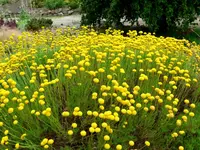
Shear For Density

After flowering, use hedge shears to lightly trim the whole mound into a dome shape, which encourages tight, cushion-like growth and prevents the center from becoming woody and open.

Renew Tired Plants

Every 3–4 years, take semi-ripe cuttings in late summer and root them in a very gritty mix so older, leggy clumps can be replaced with vigorous young plants without losing the planting design.

Use Gravel Mulch

Apply a 1–2 in layer of coarse grit or small gravel around the base instead of organic mulch to keep stems dry at the crown, suppress weeds, and maintain the sharp drainage needed when growing green lavender cotton.

Companion For Heat

Site it beside other drought-tolerant, low-fertility plants such as lavender, thyme, or rockrose so irrigation schedules stay consistent and nearby species do not demand richer soil or heavier watering that would stress this shrub.

Common Pests and Diseases

Leaf spot

This disease causes small tan to brown spots on older foliage, often starting in humid or poorly ventilated conditions. Symptoms include gradual yellowing and premature drop of affected leaves.

Solution

Remove and discard spotted foliage, avoid overhead watering, and thin or prune plants to improve airflow around the mound. If conditions stay wet, apply a copper- or chlorothalonil-based fungicide labeled for ornamental shrubs, following label directions closely.

Botrytis blight

This disease produces gray, fuzzy mold on spent flower heads and nearby foliage, especially in cool, damp weather. Symptoms include soft, browning tissue and collapse of stems close to infected clusters.

Solution

Deadhead and remove all faded flowers and any soft, moldy tissue, then dispose of it in the trash rather than compost. Improve air circulation, keep foliage dry, and in persistent cool damp conditions use a registered Botrytis-control fungicide as directed on the label.

Spider mites

These insects feed on the fine foliage, leading to a dull, grayish cast, tiny yellow stippling, and fine webbing in the plant’s interior during hot, dry weather. Symptoms include overall loss of vigor and leaf shedding if populations become high.

Solution

Rinse foliage thoroughly with a strong but controlled stream of water to dislodge mites, repeating every few days in warm, dry periods. For heavier infestations, use insecticidal soap or a horticultural oil labeled for mites, making sure to coat the undersides of leaves and interior stems.

Scale insects

This pest appears as small, dome-shaped bumps on stems and woody parts, drawing sap and causing gradual yellowing and thinning of foliage. Symptoms include sticky honeydew on lower leaves and surfaces beneath the plant.

Solution

Prune out badly infested stems and wipe remaining scale with a cloth or cotton swab dipped in diluted alcohol. For broader infestations, apply a light horticultural oil during the growing season, ensuring thorough coverage of stems and twiggy growth.

Interesting Facts

Evergreen domed cushions

This species naturally forms low, dense, dome-shaped mounds of foliage that stay evergreen in mild climates, providing year-round structure in dry gardens where many herbaceous plants die back.

Aromatic insect deterrent

Its finely divided, resinous leaves release a strong, camphor-like scent when rubbed, and traditional cottage gardens often used these shrubs near paths or seating areas because the aroma helps deter some insects.

Adapted to lime-rich soils

Santolina virens originates from Mediterranean habitats with rocky, calcareous (lime-rich) soils and shows notable tolerance to alkaline conditions that can stress many other ornamental shrubs.

Botan icon

Did you know?

Historic knot gardens in parts of Europe frequently used this species as a low edging plant, clipping the tight mounds into precise geometric lines and patterns because it responds well to regular shearing and holds a crisp outline over many years.

FAQs about green lavender cotton

Poor flowering usually comes from too little light, excessive fertiliser, or heavy shearing at the wrong time. Prune lightly right after bloom, avoid high‑nitrogen feed, and keep soil lean and free‑draining to support repeat bud formation.

Grow Healthy Plants with Botan Care

Keep your plants happy and healthy with plant identification, disease detection, and easy care guidance.

Botan plant care app — identify plants on mobile

Explore More Plants