kidney vetch Care (Anthyllis vulneraria)

Also known as: common kidneyvetch, ladies’ fingers, woundwort
kidney vetch

About kidney vetch

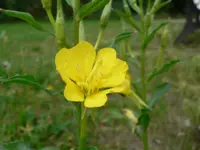
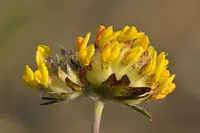
Kidney vetch, Anthyllis vulneraria, is a low-growing, short-lived perennial from the pea family. It forms small, tufted clumps with silky, divided leaves and rounded flower heads. The flowers are usually yellow, sometimes orange or red-tinged, and sit on woolly, cushion-like bases. Plants often look best in sunny, open spots where they can stay compact. This species is native to dry, coastal and grassland habitats across Europe, adapting well to poor, sandy or rocky soils. Its preference for sun, drainage, and low fertility makes it easy in the right conditions but unreliable in heavy or wet soils, which guides how to care for kidney vetch.

Main Plant Requirements

Care Difficulty

Easy Care

Light Preference

Full Sun

Water Requirements

Low Water

Temperature Preference

Cold Hardy

Hardiness Zone

3–9

Soil Texture

Sandy, Loamy, Rocky

Soil pH

Slightly acidic (6.5–7.0), Slightly alkaline (7.0–7.5)

Soil Drainage

Well-drained

Fertilization

Minimal (feed rarely)

Get Personalized Care Plan

Scan your plant to receive care tips personalized for your specific plant

Available on iOS and Android

How to Care for the kidney vetch

This low-growing perennial thrives in open, bright sites with plenty of direct sun.

  • Provide 6–8 hours of direct sun daily; full sun promotes compact growth and abundant flowering in kidney vetch.
  • Accepts light partial shade, especially with morning sun and light afternoon shade in hotter regions, but flowering density may drop.
  • In summer, monitor for leaf scorch on very exposed, droughty sites; in cooler months, ensure plants are not overshadowed by taller vegetation to avoid weak, leggy growth.

This species is adapted to dry, poor soils and benefits from restrained watering.

  • Outdoors in the ground, water only when the top 3–5 cm of soil are completely dry, then soak thoroughly and allow excess to drain away.
  • Reduce watering further in fall and winter, giving just enough to prevent prolonged wilting, especially on sandy or sloping sites.
  • Watch for yellowing, soft stems, or algae on soil as signs of overwatering; persistent limp foliage and crisp leaf edges point to underwatering or severe drought.

This hardy perennial tolerates a wide temperature range when planted in suitable, free-draining soil.

  • Best growth occurs around 60–75°F (16–24°C), typical of mild spring and early summer conditions in many temperate regions.
  • Established plants can usually tolerate down to about 5–10°F (-15 to -12°C) in well-drained soil; prolonged waterlogging in cold weather greatly increases winter loss.
  • In hot spells above 85–90°F (29–32°C), flowering may slow; light afternoon shade and avoiding heat-reflective surfaces help limit stress and leaf scorch.

Anthyllis vulneraria tolerates low humidity and usually does not need any special humidity adjustments indoors or outdoors.

Anthyllis vulneraria prefers lean, mineral, free-draining soil and struggles in heavy, wet conditions.

  • Use sandy or gravelly soil with a light loam component to support root aeration and prevent compaction.
  • Aim for slightly alkaline to neutral pH around 7.0–8.0, adding a small amount of garden lime if soil is acidic.
  • Mix coarse sand or fine grit into native soil or potting mix at about 30–50% by volume to sharpen drainage.
  • Avoid rich, high-peat or water-retentive mixes, which encourage weak, lush growth and increase root rot risk.

This species can grow in containers if the pot is set up to mimic dry, stony ground.

  • Choose a wide, shallow container at least 20–25 cm across to accommodate its spreading, fibrous roots and low mound habit.
  • Fill the pot with a very gritty mix, such as 40–60% coarse sand or grit, so water runs through in seconds rather than minutes.
  • Use unglazed clay rather than plastic so the pot walls help moisture evaporate quickly and keep the root zone dry.

Anthyllis vulneraria is adapted to poor soils and usually performs best with minimal fertilization.

  • On very lean soils, apply a light layer of well-rotted compost in early spring, keeping it away from the crown.
  • Use a low-strength, balanced NPK fertilizer (about 1/4 strength) only if growth is visibly weak.
  • Feed, if needed, just once in spring during active growth; avoid summer and late-fall applications.
  • Do not fertilize in winter dormancy, as kidney vetch prefers nutrient-lean conditions and excess nitrogen reduces flowering.

Pruning Anthyllis vulneraria is mainly about light shaping and hygiene rather than heavy cutting.

  • Carry out pruning after the main flowering flush in late spring or early summer.
  • Remove dead, damaged, or diseased stems with clean, sharp scissors or hand pruners.
  • Shear or trim spent flower stems to maintain a compact mound and encourage fresh blooms.
  • Thin out crowded, leggy shoots to improve air flow and reduce fungal problems.

Anthyllis vulneraria is usually grown in the ground, with transplanting more common than container repotting.

  • Transplant in early spring or early fall, when temperatures are mild and soil moisture is consistent.
  • Look for roots circling a pot, drying out quickly, or very slow growth as cues a container plant needs a larger pot.
  • Move plants with a wide, gently lifted root ball, disturbing roots as little as possible to limit stress.
  • Replant into free-draining, sandy soil at the same depth, then water thoroughly once and allow soil to dry slightly between later waterings.

Anthyllis vulneraria is most often propagated from seed, with simple requirements for germination.

  • Sow fresh seeds in late fall outdoors or in early spring under cool conditions (50–60°F).
  • Use a gritty, well-drained seed mix and barely cover the seeds, as they need light contact with air.
  • Provide consistent, light moisture but avoid waterlogging to prevent damping-off disease.
  • Harden off seedlings gradually before planting into sunny, free-draining sites.

Anthyllis vulneraria is generally cold hardy in temperate climates and needs little specific winter care.

  • Plants in the ground tolerate typical frosts when soil drains well and does not stay saturated.
  • Apply a light, dry mulch around but not on the crown in very cold, exposed sites.
  • Move container-grown plants to a sheltered, unheated spot to avoid waterlogged, frozen roots.

Care Tips

Encourage Deep Roots

Lightly scratch the soil surface once or twice in early spring to break any crust so water penetrates better, which helps the plant form deeper, drought-resilient roots when growing kidney vetch outdoors.

Support In Poor Sites

On very stony or compact sites, mix a small amount of sharp grit into the top 2–3 in when planting to stabilize the crown and reduce heaving from winter freeze–thaw cycles.

Timed Deadheading

If seed saving is not important, shear off spent flower heads just as the earliest ones turn brown to prompt a second, lighter flush of blooms and keep the plant compact.

Rotate Sowing Spots

When growing it as a short-lived perennial or biennial, change the sowing area every 2–3 years to reduce disease carryover in the soil and keep stands vigorous.

Leave Seed Patches

Allow a few of the strongest clumps to set and drop seed in late summer, then mark or protect that area from heavy disturbance to maintain a self-sustaining colony with minimal intervention in Anthyllis vulneraria care.

Common Pests and Diseases

Pea weevils

This pest often targets plants in the pea family, and adults chew notches in the leaf edges while larvae feed inside developing seeds in pods.

Solution

Hand-pick adult beetles where practical and remove and destroy infested pods to break the life cycle; in small plantings, use fine mesh row covers during peak beetle activity and avoid leaving seed pods on the plant longer than necessary.

Aphids

These insects cluster on soft stems and flower stalks, sucking sap and sometimes causing distorted growth and sticky honeydew on leaves and flower heads.

Solution

Dislodge colonies with a firm stream of water, encourage natural predators such as lady beetles, and, if populations remain high, spot-treat with insecticidal soap, ensuring full coverage of stems and the undersides of leaves.

Powdery mildew

This disease appears as white or gray powdery patches on leaves and stems, often during warm days with cooler, humid nights, and can reduce flowering if severe.

Solution

Improve air circulation by spacing and, where appropriate, light trimming of nearby dense vegetation, water at soil level instead of overhead, remove heavily affected foliage, and, if needed, apply a sulfur or potassium bicarbonate fungicide labeled for ornamental legumes as part of Anthyllis vulneraria care.

Leaf spot

This disease causes small brown to dark purplish spots on leaves that may merge into larger lesions, leading to premature leaf drop in wet or crowded conditions.

Solution

Remove and dispose of affected leaves, avoid wetting foliage, thin nearby plants to increase airflow, and rotate planting sites if growing kidney vetch in the same area year after year.

Seedling damping-off

This disease affects young seedlings, causing stems at soil level to become water-soaked, collapse, and die, especially in overly wet or poorly ventilated sowing conditions.

Solution

Use clean pots and free-draining, sterile seed-starting mix, avoid overwatering, provide good air circulation, and discard affected seedlings and soil rather than reusing them for new sowings.

Interesting Facts

Calcium-rich soil specialist

Anthyllis vulneraria often dominates on calcareous dunes, chalk grasslands, and limestone cliffs, where many other species struggle, thanks to its adaptation to high pH and low nutrient availability.

Built-in nitrogen factory

Like many legumes, it forms root nodules with Rhizobium bacteria that fix atmospheric nitrogen, improving soil fertility and benefiting surrounding plants in nutrient-poor habitats.

Crucial host for butterflies

In much of Europe, the small blue butterfly (Cupido minimus) relies on Anthyllis vulneraria as its primary larval food plant, making this species important for supporting local butterfly populations.

Botan icon

Did you know?

Some coastal forms of Anthyllis vulneraria are so well adapted to wind, salt spray, and shifting sand that they help stabilize dunes, acting as early colonizers that prepare harsh shorelines for later plant communities.

FAQs about kidney vetch

Poor flowering usually comes from low light, overly rich or heavy soil, or excessive moisture. This species flowers best in full sun, lean, well-drained, often alkaline ground. Avoid high-nitrogen fertilizer and do not overwater or overmulch.

Grow Healthy Plants with Botan Care

Keep your plants happy and healthy with plant identification, disease detection, and easy care guidance.

Botan plant care app — identify plants on mobile

Explore More Plants