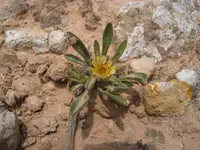
lemon beebalm Care (Monarda citriodora)

Also known as: Lemon mint, purple horsemint
lemon beebalm

About lemon beebalm

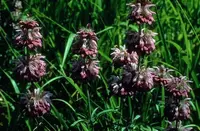
Lemon beebalm (Monarda citriodora) is an aromatic annual or short-lived perennial herb in the mint family, valued for its citrus-scented foliage and showy flower whorls. It typically forms upright clumps with square stems, narrow leaves, and stacked tiers of pale purple to pink blooms that attract bees, butterflies, and hummingbirds.

This species is native to the south-central United States and northern Mexico, where it grows in open prairies, fields, and roadsides. It adapts well to garden beds and wildflower plantings, making it relatively simple to care for lemon beebalm.

Lemon beebalm prefers full sun, moderately moist but well-drained soil, and tolerates heat and short dry periods once established.

Main Plant Requirements

Care Difficulty

Easy Care

Light Preference

Full Sun

Water Requirements

Moderate Water

Temperature Preference

Warm Climate

Hardiness Zone

4–9

Soil Texture

Sandy, Loamy, Organic-rich

Soil pH

Acidic (5.5–6.5), Slightly acidic (6.5–7.0)

Soil Drainage

Well-drained

Fertilization

Minimal (feed rarely)

Get Personalized Care Plan

Scan your plant to receive care tips personalized for your specific plant

Available on iOS and Android

How to Care for the lemon beebalm

Monarda citriodora grows best in bright conditions with plenty of direct sun each day.

  • Provide 6–8 hours of direct sun daily; full sun promotes compact growth and abundant flowers for lemon beebalm.
  • Allow light afternoon shade in very hot climates to reduce leaf scorch and wilting, especially during heatwaves above 95°F (35°C).
  • In spring and fall, prioritize open, unshaded sites; in mid-summer, filtered light or morning sun with light afternoon shade helps maintain foliage quality.

Monarda citriodora prefers evenly moist but not saturated soil, with short dry periods between waterings.

  • Water when the top 3–5 cm of soil feels dry; the plant should not sit in waterlogged soil, which increases root rot risk.
  • During hot, windy weather, monitor more often; drooping leaves that recover by evening suggest mild underwatering, while yellowing lower leaves and a sour smell indicate overwatering.
  • Use well-drained soil or beds and allow excess water to run off, adjusting frequency downward in cool or rainy seasons.

This species prefers warm conditions and handles summer heat better than prolonged cold.

  • Aim for 70–85°F (21–29°C) for fastest growth and flowering, with acceptable performance from about 60–90°F (16–32°C).
  • Protect from frost; sustained temperatures below 28°F (-2°C) can kill plants, especially young ones, so use mulch or row cover in borderline climates.
  • In hot regions, it tolerates brief spikes to 95–100°F (35–38°C) if soil moisture is maintained and plants receive some afternoon shade.

This species accepts a broad humidity range and rarely needs special humidity management outdoors.

  • Performs well in 30–60% humidity, typical of most home and garden environments.
  • Tolerates dry air if soil moisture is consistent, making lemon beebalm suitable for exposed, breezy spots.
  • Humidity stress shows as crisp leaf edges and stalled growth; increase humidity slightly with nearby plants or a shallow gravel tray rather than misting.

Monarda citriodora prefers light, well-aerated soil that drains quickly yet holds moderate moisture.

  • Use a loose, loamy or sandy mix with 30–40% compost to support growth without becoming heavy.
  • Aim for slightly acidic to neutral pH, around 6.0–7.0, which supports nutrient availability and root health.
  • Improve drainage and aeration by adding coarse sand or perlite at 20–30% of the mix, especially in clay-prone areas.
  • Avoid compacted, waterlogged, or peat-heavy mixes that stay soggy, as these encourage root rot and weak plants.

This species is well suited to container growing when drainage and root space are managed carefully.

  • Choose a pot at least 25–30 cm wide to allow the clump to spread and reduce rapid drying of the mix.
  • Select a heavier material such as terracotta or ceramic to stabilize tall flowering stems in windy sites.
  • Raise the container on pot feet or bricks so drainage holes clear quickly and excess water does not pool under the base.

This plant stays compact and flowers well with modest feeding during the warm growing season.

  • Use a light application of balanced NPK granular fertilizer or slow-release pellets in spring as new growth starts.
  • Supplement poor soils with a thin topdressing of mature compost, keeping it away from direct stem contact.
  • Feed outdoor clumps of lemon beebalm no more than once or twice per season to avoid lush, floppy growth.
  • Dilute any liquid feed to 1/2 strength and stop fertilizing in late summer to early fall as growth slows.

Thoughtful pruning keeps Monarda citriodora dense, healthy, and flowering over a longer period.

  • In late spring to midsummer, pinch or lightly shear spent flower spikes to encourage fresh blooms and a bushier shape.
  • Remove dead, diseased, or storm-damaged stems whenever noticed using clean, sharp scissors or hand pruners.
  • Thin out crowded interior stems after peak bloom to improve air flow and reduce fungal problems.
  • At season’s end, cut back dry stalks near ground level, or leave some standing heads for winter interest and seeds.

This species is usually grown in garden beds, so care focuses on timely outdoor transplanting rather than frequent repotting.

  • Transplant seedlings or young plants outdoors in spring after frost, when roots hold the soil plug but are not circling heavily.
  • Move crowded clumps every 2–3 years if flowering declines, spacing them to allow good air movement.
  • Water thoroughly before and after transplanting to limit root stress, then keep the soil evenly moist for 1–2 weeks.
  • Work in loose, well-drained soil and transplant in the evening or on a cloudy day to reduce transplant shock.

Monarda citriodora is commonly propagated by seeds and short-lived clump division.

  • Sow seeds in late winter to early spring indoors, or direct-sow outdoors after frost into loose, well-drained soil.
  • Provide bright light and lightly moist conditions for germination, usually within 7–21 days.
  • For division, split mature clumps in early spring, retaining several shoots and healthy roots per section.
  • Replant divisions at the same depth, water well, and mulch lightly until new growth establishes.

This short-lived perennial or annual often self-seeds and generally needs minimal winter care in mild to moderate climates.

  • In regions with frost, roots tolerate typical winter cold but may fail in prolonged freezes below the plant’s hardiness range.
  • Apply a light mulch layer around the root zone after the ground cools, avoiding direct contact with stems.
  • Container plants in colder areas can be moved to a cool, bright, frost-free spot and watered sparingly.

Care Tips

Pinch For Bushiness

Pinch out the top 2–3 cm of new growth when stems are 10–15 cm tall to encourage branching and a fuller, more floriferous plant rather than one tall, floppy stem.

Staggered Sowing

Sow small batches of seed every 3–4 weeks in spring to create a longer bloom window and ensure fresh foliage and flowers for pollinators and harvest.

Support In Wind

In exposed or windy sites, place low ring supports or short bamboo canes around young clumps before they reach full height to prevent stems from lodging or snapping after heavy rain.

Airflow For Mildew

Space plants with at least 25–30 cm between clumps and remove crowded inner stems early in the season to improve air movement and reduce powdery mildew risk when growing lemon beebalm.

Timed Deadheading

Cut back spent flower heads just above a leaf node as soon as the lowest florets fade, which both tidies the plant and promotes a second, lighter flush of blooms.

Common Pests and Diseases

Powdery mildew

This disease causes a white, powdery coating on leaves, stems, and sometimes flower buds, often starting on lower or crowded foliage. Symptoms include distorted growth and premature leaf drop in warm, dry conditions with poor airflow.

Solution

Improve air circulation by thinning or spacing plants, avoid overhead watering, and water at the base in the morning. Remove and discard heavily infected leaves, then apply a sulfur or potassium bicarbonate fungicide labeled for ornamental herbs if conditions stay favorable for infection.

Leaf spot

This disease produces small brown, tan, or purplish spots on leaves that may merge into larger blotches, often with a darker margin. Symptoms include yellowing and early drop of older foliage during humid or rainy periods.

Solution

Remove and discard affected leaves and any fallen plant debris to reduce inoculum. Water at soil level, increase spacing for better airflow, and, if the problem is severe and recurring, use a copper-based fungicide according to label directions during wet spells.

Spider mites

These insects feed on leaf undersides, causing fine stippling, a dull or bronzed appearance, and in heavy infestations, delicate webbing between leaves and stems. Symptoms include dry, speckled foliage, especially in hot, dry weather or on stressed plants.

Solution

Rinse plants thoroughly with a firm stream of water, focusing on leaf undersides, and repeat every few days to knock down populations. Increase humidity around plants, remove heavily infested foliage, and use insecticidal soap or horticultural oil, making sure to cover all leaf surfaces.

Aphids

These insects cluster on tender shoot tips and flower buds, sucking sap and causing curling, distortion, and sticky honeydew that can attract sooty mold. Symptoms include stunted new growth and misshapen flower heads, particularly on lush, fertilized plants.

Solution

Dislodge colonies by spraying plants with water, then prune and discard heavily infested shoots. For persistent infestations, apply insecticidal soap or a light horticultural oil, ensuring thorough coverage of young stems and the undersides of leaves while beneficial insects are less active, such as early morning.

Rust

This disease creates orange, brown, or rust-colored pustules on the undersides of leaves, sometimes with yellow spots showing on the upper surfaces. Symptoms include gradual weakening of the plant as infected leaves yellow and drop over time.

Solution

Promptly remove and discard infected leaves and any plant debris on the soil surface, and avoid wetting foliage when watering. Improve spacing and air movement, and in cases of recurring rust, consider rotating plantings and using a labeled systemic or contact fungicide early in the season as part of overall Monarda citriodora care.

Interesting Facts

Tiered flower whorls

This species forms distinctive stacked whorls of flowers up the stem, often with 2–4 tiers of pink to lavender blooms that provide a vertical landing platform for bees and butterflies.

Strong lemon aroma

Its leaves release a noticeable lemon scent when crushed, produced by volatile oils such as citral and other terpenes that help deter some herbivores and may reduce fungal growth on the foliage.

Short-lived annual habit

Unlike many other bee balms that are perennial, this species is usually annual or short-lived in cultivation, relying on prolific self-seeding to maintain populations over time.

Botan icon

Did you know?

In parts of its native southern Great Plains range, this plant is often one of the first summer-blooming wildflowers to color disturbed or overgrazed sites, acting as an early successional species that helps stabilize soil and attract pollinators back into recovering habitats.

FAQs about lemon beebalm

The leaves and flowers are edible and commonly used fresh or dried in herbal teas, salads, and garnishes. They have a mild citrus-mint flavor. Always avoid plants treated with pesticides not labeled safe for edible crops.

Grow Healthy Plants with Botan Care

Keep your plants happy and healthy with plant identification, disease detection, and easy care guidance.


Botan plant care app — identify plants on mobile

Explore More Plants