Root spread planning
Space plants 25–30 cm apart in the ground or in wide containers, as this species forms spreading clumps that need room for healthy root and rhizome development.

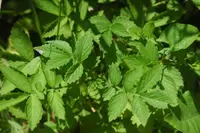
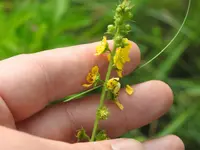
Hairy agrimony (Agrimonia pilosa) is a perennial herb in the rose family, known for its upright stems, small yellow flowers, and softly hairy leaves. It forms loose clumps and spreads gradually by short rhizomes.
The species is native to East Asia and parts of eastern Europe, where it grows in open woods, meadows, and sunny woodland edges. It is generally undemanding, which makes it fairly easy to establish in suitable conditions.
Hairy agrimony prefers light, well-drained soil with moderate moisture and does best in sun to light shade. Those basic needs guide how to care for Hairy Agrimony in gardens or naturalistic plantings.

Care Difficulty
Easy Care

Light Preference
Full Sun

Water Requirements
Moderate Water

Temperature Preference
Cold Hardy

Hardiness Zone
4–8

Soil Texture
Sandy, Loamy, Silty

Soil pH
Acidic (5.5–6.5), Slightly acidic (6.5–7.0)

Soil Drainage
Moist but well-drained

Fertilization
Minimal (feed rarely)
Scan your plant to receive care tips personalized for your specific plant
Available on iOS and Android
Agrimonia pilosa prefers bright outdoor conditions with several hours of direct sun for strong growth and flowering.
Agrimonia pilosa prefers moderately moist, well-drained soil and does not tolerate prolonged saturation.
This hardy perennial tolerates a wide temperature range but grows best in mild to warm conditions.
This species is adaptable and humidity is rarely a limiting factor when grown outdoors in its usual climates.
Agrimonia pilosa prefers moderately fertile, well-drained, slightly moist soil that does not stay waterlogged.
This species can be grown in containers if the pot allows enough depth and stable moisture for its fibrous root system.
Agrimonia pilosa is a hardy perennial that needs only light feeding in average garden soil.
Pruning Agrimonia pilosa is simple and mainly focused on maintaining vigor and tidy growth.
This species is usually grown in the ground, so care focuses on garden transplanting rather than frequent repotting.
Agrimonia pilosa is commonly propagated by seed and by division of established clumps.
This hardy perennial tolerates typical temperate winters and needs only minimal care once established.

Plant Health Check
Not sure what's wrong with your plant? Check your plant's health inside the app.
The leaf margins of this species have fine, bristle-like teeth that give it a noticeably rough, hairy feel compared with many other agrimony species.
This plant is naturally distributed across temperate regions of East Asia, including much of China, Korea, Japan, and parts of eastern Russia, where it typically grows in forest edges, roadsides, and open woodland.
Its small, burr-like fruits are covered with tiny hooked bristles that readily cling to animal fur and clothing, an effective seed dispersal strategy known as epizoochory.

Agrimonia pilosa is one of the agrimony species most frequently documented in traditional East Asian herbals, especially in Chinese and Korean sources, where it has been recorded for centuries as a recognizable wild herb of field margins and low mountain slopes.
The small yellow flower spikes are rich in nectar and pollen, so this plant attracts a range of bees, hoverflies, and small butterflies. It works well in wildlife-friendly borders, meadow-style plantings, and informal edges.
Keep your plants happy and healthy with plant identification, disease detection, and easy care guidance.