candy barrelcactus Care (Ferocactus wislizeni)

Also known as: fishhook barrel cactus, Southwestern Barrel Cactus, Arizona barrel cactus
candy barrelcactus

About candy barrelcactus

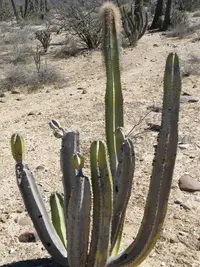
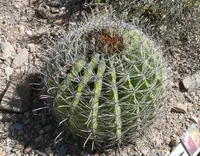
Candy barrelcactus (Ferocactus wislizeni) is a slow-growing desert cactus known for its heavy, rounded barrel shape and strong, hooked spines. Mature plants form a single, ribbed column that can become quite large over time.

This species is native to arid regions of the Southwestern United States and northern Mexico, where it grows in rocky, well-drained soils under intense sun. Its adaptation to drought and heat makes it relatively forgiving in cultivation, provided excess moisture is avoided.

For those learning how to care for candy barrelcactus, its main needs are bright light, infrequent but deep watering, and a gritty, fast-draining mineral-rich substrate. Its slow growth and tough structure suit patient growers who prefer low-maintenance plants.

Main Plant Requirements

Care Difficulty

Easy Care

Light Preference

Full Sun

Water Requirements

Low Water

Temperature Preference

Warm Climate

Hardiness Zone

9–11

Soil Texture

Sandy, Loamy, Rocky

Soil pH

Slightly acidic (6.5–7.0), Neutral (7.0)

Soil Drainage

Well-drained

Fertilization

Minimal (feed rarely)

Get Personalized Care Plan

Scan your plant to receive care tips personalized for your specific plant

Available on iOS and Android

How to Care for the candy barrelcactus

This desert cactus demands strong light to stay compact and healthy.

  • Provide 8–10 hours of full sun daily; morning through midafternoon sun suits most outdoor sites.
  • Young or newly moved candy barrelcactus benefits from 1–2 weeks of bright, filtered light to harden off before full exposure.
  • In very hot regions, give light afternoon shade in midsummer to reduce sunscald, but avoid prolonged shade, which causes stretching and weak spine development.

This species is highly drought-tolerant and prefers infrequent, deep watering.

  • Allow the top 5–8 cm of soil to dry completely before watering, then soak thoroughly so water drains quickly away from the roots.
  • In spring and summer, water only when ribs look slightly shrunken; in fall and winter, water very sparingly or not at all, especially in cool conditions.
  • Yellowing, soft tissue or a sour smell indicates overwatering and poor drainage, while severe rib shrinkage and brittle spines suggest prolonged underwatering.

This cactus thrives in hot, arid climates with pronounced temperature swings.

  • Optimal growing temperatures are 75–95°F (24–35°C) during the day and 55–70°F (13–21°C) at night in the warm season.
  • Mature plants tolerate brief dips to about 20–25°F (-6 to -4°C) if soil is dry, but young plants are more sensitive to cold.
  • Extended frost, freezing winds, or wet cold greatly increase rot risk, while extreme heat above 105°F (41°C) is tolerated if roots are established and soil drains well.

Humidity is rarely a concern for this desert cactus and standard indoor air is usually adequate.

  • Target 20–40% relative humidity, similar to arid outdoor conditions, for stable growth.
  • The plant tolerates very dry air; problems usually arise only if combined with overwatering and low light.
  • Watch for soft, pale, or blackened tissue as a sign excess humidity is trapping moisture around the stem of candy barrelcactus.

This species needs very fast-draining, mineral-based soil that dries quickly between waterings.

  • Use a gritty, sandy mix: 50–70% mineral components such as pumice, coarse sand, or small gravel, with 30–50% cactus potting mix.
  • Aim for slightly acidic to neutral pH around 6.0–7.0, avoiding strongly acidic or alkaline substrates that can lock up nutrients.
  • Improve drainage and aeration by using large, sharp particles (3–5 mm) rather than fine sand that compacts and holds water.
  • Avoid heavy, peat-rich or clayey soil, as these retain moisture around Ferocactus wislizeni roots and greatly increase rot risk.

This cactus is suitable for container growing if the pot is chosen to manage its heavy, top‑weighted stem.

  • Select a wide, low clay or ceramic pot to increase stability and allow the heavy stem to stay upright in wind or accidental bumps.
  • Choose a pot only 2–5 cm wider than the root ball to limit excess wet substrate and reduce the chance of root rot.
  • Raise the container slightly on pot feet or bricks so gravity can pull excess water away quickly through the drainage holes.

This desert cactus needs modest feeding, mainly during its active warm-season growth, for steady but compact development.

  • Use a dilute balanced liquid fertilizer (such as 10-10-10) at 1/4–1/2 strength or a low-dose cactus feed.
  • Apply every 4–6 weeks in late spring and summer when caring for candy barrelcactus in containers.
  • Avoid high-nitrogen products, which cause weak, swollen tissues more prone to rot.
  • Stop feeding in fall and winter to respect the natural dormancy period.

Ferocactus wislizeni needs almost no structural pruning; care focuses on sanitation and safety.

  • Perform any work in late spring or early summer when growth is most active and wounds seal faster.
  • Remove only dead, diseased, or rotten tissue using long-handled tongs and a clean, sharp knife.
  • Do not cut healthy ribs or spines, since this permanently scars the plant and weakens its defense.
  • Disinfect tools before and after cutting to reduce the risk of spreading fungal or bacterial infections.

This slow-growing cactus seldom needs repotting, but container plants or landscape specimens sometimes require careful transplanting.

  • Check for roots circling the pot drainage holes, soil drying extremely fast, or stalled growth as repotting signals.
  • Plan repotting or transplanting in late spring to early summer, allowing warm conditions for root recovery.
  • Expect to move established plants only every 4–6 years, stepping up just 2–5 cm in container diameter.
  • Wear thick gloves, keep the root ball as intact as possible, and keep soil slightly dry for 5–7 days afterward to limit rot.

Propagation of Ferocactus wislizeni is usually done from seed and is slow but reliable under the right conditions.

  • Sow fresh seed in late spring in a sterile, gritty cactus mix with very good drainage.
  • Maintain 70–80°F bottom warmth, bright shade, and lightly moist but never wet substrate for germination.
  • Cover seeds lightly with sand or fine grit, then use a clear cover to hold moderate humidity and reduce temperature swings.
  • Once seedlings show firm spines and several ribs, gradually increase light and reduce humidity to harden them.

Mature plants tolerate light, brief freezes but still benefit from basic winter management, especially in containers.

  • In-ground plants handle down to about 15–20°F if soil is sharply drained and air stays dry.
  • Add a 5–8 cm gravel mulch around the base to keep the crown dry rather than warm.
  • For potted plants, move containers under a dry, bright shelter before hard frost events.
  • Water very sparingly indoors or in cool climates, allowing the plant to stay almost dry during winter dormancy.

Care Tips

Rotate For Symmetry

Turn the pot 90° every 2–3 weeks during active growth so the spine rows develop evenly and the stem does not lean toward the main light source.

Use Mineral Topdress

Apply a 1–2 cm layer of coarse grit or small gravel on the soil surface to keep the stem base dry, reduce fungus gnat breeding, and stabilize the heavy plant in its pot.

Secure Heavy Plants

For larger specimens, wedge a few clean stones between the stem and pot rim or use plant ties fixed to a stake so the top-heavy cactus cannot tip over and damage roots.

Controlled Winter Rest

In winter, keep the plant very cool and almost dry, but provide at least a few hours of bright light so the stem stays firm and does not etiolate while in dormancy.

Inspect Spines Safely

Use long tweezers or grill tongs to remove debris or dead material caught between the spines and to inspect the ribs for scale insects without damaging tissue or pricking yourself, which is useful when caring for candy barrelcactus indoors or outdoors.

Common Pests and Diseases

Cochineal scale

This pest appears as white, cottony patches along ribs and spines, often producing sticky honeydew that can attract sooty mold. Symptoms include yellowing tissue and slow, uneven growth.

Solution

Remove infested pads and spines with a cotton swab dipped in 70% isopropyl alcohol, then gently hose the plant to dislodge remaining insects. Improve sun exposure and air movement, and for persistent outdoor infestations use a targeted horticultural oil spray applied in the early morning or late afternoon, avoiding high heat.

Red spider mites

These insects are tiny and often hard to see, but cause fine yellow stippling, a dull or dusty appearance on the skin, and sometimes fine webbing in the cactus ribs. This pest thrives in hot, very dry conditions, especially in indoor or greenhouse settings.

Solution

Shower the plant with a firm stream of lukewarm water to wash mites off, repeating weekly until no new damage appears. Increase humidity slightly around the plant without keeping the soil wet, and use insecticidal soap or a labeled miticide on all surfaces of the stem, including rib grooves and areoles.

Soft scale

This pest forms rounded, tan to brown bumps on areoles and between ribs that do not rub off easily, weakening the plant by sucking sap. Symptoms include dull coloration, slowed growth, and sometimes sticky honeydew on the stem.

Solution

Manually scrape or wipe off scales with a soft brush or cloth moistened with diluted alcohol, working carefully around the spines. For heavier infestations, apply horticultural oil thoroughly over the stem to smother remaining scales, repeating according to label directions while monitoring new growth closely.

Bacterial soft rot

This disease causes localized soft, water-soaked, often foul-smelling spots that quickly turn brown and collapse, particularly after mechanical injury or excessive summer rain. Symptoms include tissue that feels mushy to the touch and may ooze when pressed.

Solution

Cut out all affected tissue well into firm, healthy flesh using a sterile knife, then allow the wound to dry and callus in a warm, airy, shaded location. Avoid overhead watering, keep the crown and ribs dry, and disinfect tools and any surfaces that came into contact with the infected area to prevent spread, following sound Ferocactus wislizeni care instructions.

Helicoverpa caterpillars

These caterpillars chew into young crowns, flowers, and developing fruits, leaving ragged holes and sometimes tunneling into the stem apex. Symptoms include damaged buds, missing tissue at the crown, and frass (caterpillar droppings) near feeding sites.

Solution

Handpick caterpillars in the evening or early morning and remove any heavily damaged buds or fruits. Encourage natural predators, use physical barriers such as fine mesh over prized specimens during peak moth activity, and where allowed apply a biological product containing Bacillus thuringiensis (Bt) directly to feeding areas according to label directions.

Interesting Facts

Monsoon-triggered flowering

This cactus typically flowers in response to summer monsoon rains in the Sonoran and Chihuahuan Deserts, producing rings of orange to red funnel-shaped blooms around the stem apex. The timing couples its reproductive cycle tightly to brief periods of higher moisture and pollinator activity.

Spines as sunshades

Its heavy, hooked central spines and dense radial spines function as a living sunshade, reducing solar radiation on the stem surface and lowering tissue temperature. This spine architecture also slows air movement across the epidermis, helping reduce water loss in extreme heat.

Barrel-tilting growth habit

Mature plants often lean noticeably toward the south in the Northern Hemisphere, a trait sometimes called the compass barrel. This tilt is thought to result from asymmetric growth in response to intense sun exposure over many years.

Botan icon

Did you know?

In parts of the southwestern United States and northern Mexico, the dry, hollow fruits of this species are important food and seed-dispersal resources for desert animals such as birds and rodents, which chew through the tough outer wall to reach the persistent, nutrient-rich seeds long after the flowering season has ended.

FAQs about candy barrelcactus

This species usually blooms in mid to late summer, often July–September. Flowers form a ring on the crown, funnel-shaped and waxy, in yellow to orange or red tones, followed later by yellow, spiny-topped fruits.

Grow Healthy Plants with Botan Care

Keep your plants happy and healthy with plant identification, disease detection, and easy care guidance.

Botan plant care app — identify plants on mobile

Explore More Plants