Spanish stonecrop Care (Sedum hispanicum)

Spanish stonecrop

About Spanish stonecrop

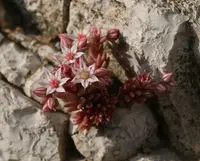
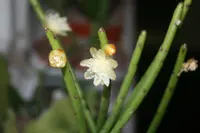
Spanish stonecrop (Sedum hispanicum) is a small, mat-forming succulent often used as a groundcover or in rock gardens. It has tiny, fleshy leaves and produces delicate star-shaped flowers.

This species is native to rocky, dry areas of the Mediterranean and western Asia, which makes it naturally adapted to sun, heat, and poor, well-drained soils.

It is generally easy to grow because it tolerates drought, shallow soil, and some neglect, making it suitable for beginners. Those learning how to care for Spanish stonecrop only need to provide good drainage and plenty of light.

Main Plant Requirements

Care Difficulty

Easy Care

Light Preference

Full Sun

Water Requirements

Low Water

Temperature Preference

Cold Hardy

Hardiness Zone

4–9

Soil Texture

Sandy, Loamy, Rocky

Soil pH

Slightly acidic (6.5–7.0), Slightly alkaline (7.0–7.5)

Soil Drainage

Well-drained

Fertilization

Minimal (feed rarely)

Get Personalized Care Plan

Scan your plant to receive care tips personalized for your specific plant

Available on iOS and Android

How to Care for the Spanish stonecrop

This compact sedum thrives in bright, open conditions with several hours of direct sun each day.

  • Provide 6–8 hours of direct sun, with morning sun and light midday exposure ideal for strong, compact growth.
  • Tolerates light afternoon shade, especially in hotter regions, where partial shade reduces leaf scorch and moisture stress.
  • If stems stretch or foliage turns pale, light is too low; in winter, accept softer light but avoid dense shade behind buildings or shrubs.

This drought-tolerant sedum prefers infrequent, deep watering in fast-draining soil.

  • Outdoors in typical beds, water only when the top 3–5 cm of soil are completely dry, then soak the root zone thoroughly.
  • Use gritty, sharply drained soil or a rock garden setting so excess water runs off quickly and does not pool around roots.
  • Signs of overwatering include yellowing, mushy leaves and stem collapse; wrinkling, shriveling foliage signals that Sedum hispanicum is too dry.

This hardy sedum tolerates a wide temperature range but grows best in moderate, dry conditions.

  • Optimal growth occurs around 60–80°F (16–27°C), with strongest activity in mild spring and early summer weather.
  • Established plants usually survive down to about 0°F (-18°C) in well-drained soil, especially with winter snow cover or mulch protection.
  • Heat tolerance extends to about 90–95°F (32–35°C) if soil is not waterlogged; prolonged freezing in heavy, wet soil increases root-rot risk.

This species tolerates a wide humidity range and usually does not need special humidity management indoors or outdoors.

  • Aim for 30–50% humidity, which matches most heated or air-conditioned homes.
  • Dry air is generally tolerated, but very hot, drafty spots can speed wilting and leaf shrivel in Spanish stonecrop.
  • If stems wrinkle or tips brown, move the plant away from drying vents or use a pebble tray to slightly boost local humidity.

Sedum hispanicum prefers very well-drained, gritty soil that dries quickly between waterings.

  • Use a sandy or gritty mix, such as 50–70% mineral components (coarse sand, perlite, pumice, or small gravel) blended with 30–50% lean potting mix.
  • Maintain a slightly acidic to neutral pH around 6.0–7.0 for stable nutrient uptake and healthy root growth.
  • Improve drainage and aeration by avoiding fine, peat-heavy mixes and by increasing coarse particles if water lingers longer than 1 day.
  • Avoid compacted, clay-rich, or constantly wet substrates, which promote root rot and weak, elongated growth.

This species is very suitable for container growing, including shallow pots and troughs.

  • Choose a wide, shallow container to match the plant’s spreading, shallow-rooting habit and prevent unused, soggy lower soil layers.
  • Select unglazed clay if faster moisture loss is needed in wet climates, or heavier ceramic to keep lightweight pots from tipping outdoors.
  • Raise the container slightly on pot feet or bricks so drainage holes clear the surface and excess water escapes quickly after rain or watering.

This drought-tolerant succulent needs only light feeding, as Sedum hispanicum is adapted to poor soils.

  • Use a balanced, dilute liquid fertilizer (around 10-10-10 or similar) at 1/4–1/2 strength during active growth.
  • Feed once in late spring and once in midsummer for container plants; skip feeding for in-ground plants in fertile soil.
  • Organic compost or a low-dose slow-release fertilizer can be mixed into potting soil at the start of the season.
  • Stop feeding in fall and winter to avoid soft, frost-prone growth and nutrient buildup in the substrate.

Pruning needs for Sedum hispanicum are minimal and mainly cosmetic.

  • Best time for pruning is early spring, before strong new growth, or immediately after flowering flushes.
  • Trim back leggy, sprawling, or storm-damaged stems with clean, sharp scissors or small snips.
  • Remove dead, diseased, or crowded stems to maintain a low, dense mat and encourage fresh shoots.
  • Light shaping of patch edges controls spread in rock gardens and keeps paths and borders clear.

This mat-forming sedum is usually grown in the ground, so focus on transplanting rather than frequent repotting.

  • Transplant in spring or early fall when temperatures are mild and soil is workable.
  • Move plants when clumps outgrow their space, become too dense, or show thin, woody centers with sparse growth.
  • Lift the mat gently, retaining as much root and surrounding soil as possible to limit root stress.
  • Replant shallowly in very well-drained, gritty soil, water once to settle, then allow soil to dry between light waterings.

Sedum hispanicum is commonly propagated to expand groundcover patches or refresh older plantings.

  • Soft stem cuttings taken in late spring–summer root well if rested 1–2 days, then placed on gritty, barely moist mix.
  • Division of mature clumps in spring quickly produces new plants; replant sections with attached roots.
  • Scattered seeds germinate in bright light on the soil surface; keep slightly moist until seedlings establish.
  • Maintain good airflow and avoid overwatering during rooting to prevent rot and encourage strong new growth.

This sedum is generally cold hardy and usually needs little special winter care in the ground.

  • Plants tolerate frost and light freezes once established in well-drained, gritty soil.
  • Apply a very thin gravel or coarse sand mulch to stabilize soil and reduce heaving in freeze–thaw cycles.
  • For containers, move pots to a sheltered, unheated area to reduce excess winter moisture and root freeze–thaw stress.

Care Tips

Encourage Dense Mats

Lightly pinch back the longest shoots in early spring to promote branching and create a thicker, more even carpet, especially at the center of older clumps.

Use Gravel Mulch

Top-dress around plants with a 0.5–1 in layer of clean grit or small gravel to keep foliage dry at the base, reduce rot, and discourage weeds without trapping excess moisture.

Control Self-Seeding

After flowering, shear off spent flower stems before seed set if you want to limit spread, keeping the planting neat and preventing seedlings from crowding more deliberate plantings.

Renovate Aging Patches

Every 2–3 years, lift and discard any bare, woody center sections, then replant healthy outer pieces slightly deeper into fresh, gritty mix to rejuvenate the cushion and maintain uniform coverage.

Rock Crevice Placement

When growing Spanish stonecrop in rock gardens, tuck small cuttings into narrow, well-drained crevices where roots can stay cool while the foliage receives full sun, improving long-term vigor and winter hardiness.

Common Pests and Diseases

Mealybugs

This pest feeds on succulent leaves and stems, causing slow decline, distorted growth, and sticky honeydew on foliage and nearby surfaces.

Solution

Isolate the plant, then dab visible insects with cotton swabs dipped in 70% isopropyl alcohol and rinse the plant gently after treatment; repeat weekly until clear. Improve air movement around mats of Sedum hispanicum and avoid excess fertilizer, which can encourage soft growth that mealybugs prefer.

Aphids

These insects often cluster on young shoots and flower stems, sucking sap and causing curling, yellowing, and sticky residue that can attract sooty mold.

Solution

Spray infested areas with a strong stream of water to dislodge aphids, then apply insecticidal soap to remaining colonies, covering undersides of leaves and stems. Encourage natural predators in outdoor plantings by avoiding broad-spectrum insecticides and limiting high-nitrogen fertilization when growing Spanish stonecrop in beds or rock gardens.

Spider mites

This pest is more common in hot, dry spots and causes fine stippling on leaves, dull coloring, and sometimes fine webbing between stems.

Solution

Rinse foliage thoroughly with water, including the undersides of leaves, to remove mites and webbing, repeating every few days for several cycles. Increase humidity slightly around container plants, reduce heat stress, and use a horticultural oil or insecticidal soap labeled for mites if populations persist.

Botrytis blight

This disease appears in cool, damp conditions as soft, water-soaked patches on leaves and stems that develop gray, fuzzy mold and may spread across dense groundcover mats.

Solution

Promptly remove and discard infected stems and any fallen, moldy debris, then improve air circulation by thinning crowded patches and avoiding overhead watering late in the day. Allow soil surfaces to dry between waterings and, in severe or recurring cases, use a fungicide labeled for botrytis on ornamentals according to label directions.

Edema

Symptoms include small, corky or blister-like spots on leaves caused by roots taking up water faster than the foliage can release it, often in cool, overly wet conditions.

Solution

Allow the soil to dry more thoroughly between waterings, especially in containers, and ensure sharp drainage with a gritty, sandy mix suitable for Sedum hispanicum plant care. Provide brighter light and moderate airflow so foliage dries quickly after rain or irrigation, which helps prevent new spots from forming.

Interesting Facts

Natural gypsum colonizer

This species often grows on gypsum-rich and other calcareous rocky soils in its native range, tolerating conditions that many other plants find too harsh due to high mineral and salt content.

Fine, blue-green foliage

The tiny, cylindrical leaves are coated with a waxy layer that scatters light, giving the plant a bluish or glaucous tone that helps reduce water loss in intense sun.

Cold-hardy Mediterranean succulent

Unlike many succulents, it can survive freezing winters in much of Europe and North America, forming dense, low mats that withstand both summer drought and subzero temperatures when soils are well-drained.

Botan icon

Did you know?

In some parts of its native range in Spain and the western Mediterranean, this plant forms intricate natural mosaics on cliffs and old stone walls, where its shallow roots anchor into hairline cracks and help stabilize tiny pockets of soil, creating microhabitats that other small rock-dwelling species can colonize later.

FAQs about Spanish stonecrop

This species spreads slowly by short stems and self-seeding, forming low mats over time. It is not considered aggressive in most gardens and is usually easy to keep within defined borders with occasional edging.

Grow Healthy Plants with Botan Care

Keep your plants happy and healthy with plant identification, disease detection, and easy care guidance.

Botan plant care app — identify plants on mobile

Explore More Plants