


Encourage Bushy Shape
Pinch back soft shoot tips every 3–4 weeks in active growth to keep plants compact, encourage branching, and produce more fragrant foliage for a fuller mound.

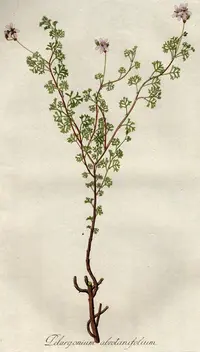
Pelargonium abrotanifolium, commonly called southernwood-leaf storksbill, is a compact, shrubby geranium relative grown mainly for its finely divided, aromatic foliage. The leaves are soft, grey-green, and fern-like, giving the plant a delicate, airy look.
This species is native to dry, rocky habitats in South Africa, so it naturally develops a drought-tolerant, resilient growth habit. Stems can become woody with age, forming a small, branching mound that suits containers and sunny windowsills.
It is generally easy to grow as long as it receives good light, sharp drainage, and is not overwatered. For plant owners learning how to care for Southernwood-leaf Storksbill, its forgiving nature and pleasant scent make it a rewarding choice.

Care Difficulty
Moderate Care

Light Preference
Full Sun

Water Requirements
Low Water

Temperature Preference
Tropical / Frost Sensitive

Hardiness Zone
10–11

Soil Texture
Sandy, Loamy, Rocky

Soil pH
Slightly acidic (6.5–7.0), Slightly alkaline (7.0–7.5)

Soil Drainage
Well-drained

Fertilization
Light (every 4–6 weeks)
Scan your plant to receive care tips personalized for your specific plant
Available on iOS and Android
Pelargonium abrotanifolium thrives in bright, mostly sunny conditions with some protection from harsh extremes.
Pelargonium abrotanifolium prefers slightly dry conditions and is sensitive to excess moisture around its roots.
This species prefers mild, dry conditions and does not tolerate hard frost.
This species prefers relatively dry air and usually does not need extra humidity indoors.
This plant needs a fast-draining, light mix that mimics a sandy, rocky habitat.
This species is well suited to container growing due to its compact, shrubby habit.
Pelargonium abrotanifolium benefits from light, consistent feeding during active growth for compact form and steady flowering.
Pelargonium abrotanifolium responds well to thoughtful pruning that maintains a bushy, floriferous plant.
This species prefers slightly snug pots and only occasional repotting to avoid overly wet soil.
Pelargonium abrotanifolium is most commonly propagated from stem cuttings taken during the growing season.
This scented pelargonium is frost-sensitive and needs protection in regions with cold winters.

Plant Health Check
Not sure what's wrong with your plant? Check your plant's health inside the app.
The finely divided, grey-green leaves release a strong southernwood-like aroma when touched, which led to the species name abrotanifolium, meaning foliage resembling the herb southernwood (Artemisia abrotanum).
In its native South African range, this species usually grows among rocky outcrops and gravelly slopes, where its slightly woody, scrambling stems help it anchor in crevices and cope with lean, fast-draining soils.
The pale flowers with darker markings on the upper petals provide visual nectar guides, helping local insect pollinators accurately locate the nectar and pollen resources.

In cultivation and botanical collections, this species is valued in pelargonium breeding programs for its finely divided foliage and strong aromatic leaves, which breeders sometimes use to introduce distinctive scent and leaf texture into new ornamental hybrids.
This species is generally considered non-toxic to cats and dogs, but sensitive animals may react to nibbling any ornamental plant. Prevent regular chewing, and contact a veterinarian if repeated vomiting, drooling, or irritation appears after ingestion.
Keep your plants happy and healthy with plant identification, disease detection, and easy care guidance.
