California brittlebush Care (Encelia californica)

Also known as: bush sunflower
California brittlebush

About California brittlebush

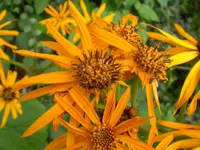
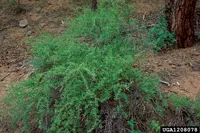
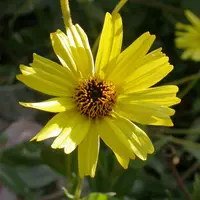
California brittlebush (Encelia californica) is a small, woody shrub native to coastal southern California and northern Baja California. It is common in chaparral, coastal sage scrub, and dry hillsides. Plants form a rounded mound with brittle, gray-green stems and soft, felted leaves. In season, it produces many bright yellow daisy-like flowers that attract bees and butterflies. This species is adapted to drought and poor, rocky soils, which makes it fairly low-maintenance once established. It prefers full sun, fast-draining soil, and only occasional water. These traits make it easier to care for California brittlebush in dry, mild climates.

Main Plant Requirements

Care Difficulty

Easy Care

Light Preference

Full Sun

Water Requirements

Low Water

Temperature Preference

Warm Climate

Hardiness Zone

8–11

Soil Texture

Sandy, Loamy, Rocky

Soil pH

Slightly acidic (6.5–7.0), Slightly alkaline (7.0–7.5)

Soil Drainage

Well-drained

Fertilization

Minimal (feed rarely)

Get Personalized Care Plan

Scan your plant to receive care tips personalized for your specific plant

Available on iOS and Android

How to Care for the California brittlebush

This drought-adapted shrub thrives in strong sun similar to its native coastal chaparral light conditions.

  • Provide 6–10 hours of direct sun daily; full sun promotes compact growth and abundant flowering in California brittlebush.
  • Accepts light afternoon shade in very hot inland areas; morning sun with high, open shade after 2–3 p.m. helps prevent leaf scorch.
  • In winter, ensure at least 4–5 hours of direct light; in prolonged shade, stems elongate, flowering drops, and plants become sparse.

This species prefers dry, fast-draining conditions and is sensitive to prolonged soil moisture.

  • Allow soil to dry thoroughly between waterings; in the ground, wait until the top 5–8 cm feel completely dry and the surface looks pale and dusty.
  • During the first growing season, water deeply, then let soil dry; mature plants often need only occasional deep soaking in extended drought.
  • Encelia californica shows underwatering as dull, slightly wilted leaves; overwatering causes yellowing foliage, soft stems, and risk of root rot in poorly drained sites.

This warm-adapted coastal shrub handles a broad temperature range if extremes are brief.

  • Best growth occurs around 65–85°F (18–29°C); it continues to perform in mild winters with cool nights and warm, dry days.
  • Tolerates short dips to about 25°F (−4°C); repeated hard frosts or freezing winds can burn new growth and reduce flowering next season.
  • Handles summer heat up to 95–100°F (35–38°C) if soil drains well; extended heat above this, combined with high humidity, increases stress and dieback.

Humidity is rarely a concern for this drought-adapted shrub in typical US household or outdoor conditions.

This desert-adapted shrub prefers very fast-draining, mineral soils that dry quickly between waterings.

  • Use sandy or gravelly soil with a loose, crumbly structure; avoid heavy, compacted textures.
  • Aim for a sharply draining mix such as 50–70% coarse sand or fine gravel blended with 30–50% low-organic native soil.
  • Keep pH slightly acidic to slightly alkaline (6.0–8.0); Encelia californica tolerates calcareous, rocky sites well.
  • Do not add large amounts of peat or dense compost, which hold water and reduce aeration, increasing root rot risk.

This species can be grown in containers if the pot is set up to mimic dry, rocky ground conditions.

  • Choose a wide, heavy container to stabilize the spreading canopy and resist tipping in wind.
  • Use a very fast-draining mix and raise the pot on feet or bricks so drainage holes never sit in collected water.
  • Select unglazed clay over plastic when possible to allow faster evaporation and keep the root zone drier.

This drought-adapted shrub needs little feeding, so any fertilization should stay light and infrequent.

  • Use a thin layer of compost around the root zone in early spring for mild nutrient support.
  • If desired, apply a balanced slow-release fertilizer (around 10-10-10) at 1/2 strength at the start of the growing season.
  • Avoid summer and fall feeding to prevent tender growth that may stress during heat or cool periods.
  • For California brittlebush in very poor soils, a light spring application every 1–2 years is usually sufficient.

Pruning Encelia californica is mainly used to maintain shape, remove damage, and refresh flowering wood.

  • Best time for structural pruning is late winter to very early spring, before strong new growth starts.
  • Cut out dead, diseased, or storm-damaged stems at the base using clean, sharp hand pruners.
  • Thin crowded interior branches to improve air flow and keep the shrub from becoming woody and leggy.
  • After the main bloom, lightly shorten long shoots to encourage bushier growth and more flowering stems next season.

This species is most often grown in the ground, so focus on careful transplanting rather than frequent repotting.

  • Transplant in late fall or very early spring when temperatures are mild and soil moisture is more stable.
  • Choose a sunny site with fast-draining soil; amend heavy clay with grit or coarse sand to reduce waterlogging.
  • Move plants only when rootbound in containers or clearly outgrowing their space, typically every several years.
  • Water deeply before and after transplanting, then shade slightly and keep soil just moist for 1–2 weeks to limit root stress.

Encelia californica is commonly propagated from seed and semi-hardwood cuttings under warm, dry-leaning conditions.

  • Collect ripe seeds from dry flower heads in late summer and sow in fall in a gritty, well-draining mix.
  • Provide bright light, good air movement, and light moisture; avoid waterlogged soil during germination.
  • Take semi-hardwood cuttings in late spring or early summer, 8–10 cm long, from non-flowering shoots.
  • Dip cutting bases in rooting hormone, insert into a sandy mix, and keep warm with moderate humidity until rooted.

This shrub is adapted to mild, dry winters and usually needs minimal intervention in frost-free or light-frost climates.

  • Tolerates light frost but can suffer damage below about 25°F, especially young plants and tender tips.
  • In marginal climates, add a 5–7 cm layer of dry mulch around, but not touching, the main stems to buffer soil temperature.
  • For container plants in colder regions, move pots to a bright, sheltered porch or unheated garage during hard freezes.

Care Tips

Establish deep roots

During the first growing season, give a slow, deep soak every 10–14 days in dry weather to encourage a deep root system that makes the plant more drought-resilient later on.

Encourage compact shape

Pinch or lightly shear back stem tips right after the main flush of bloom to keep plants dense, reduce flopping, and stimulate a second, lighter flowering.

Manage seed spread

If you want to limit self-seeding, remove spent flower heads before the seed fluff matures, leaving a few only where you want natural reseeding to occur.

Protect in wet winters

In regions with heavy winter rain or poorly drained native soil, slightly mound the planting area and top-dress with a 2–3 cm layer of coarse gravel to keep the crown drier and reduce rot risk when growing California brittlebush.

Monitor woody aging

Every few years, assess older plants for excessive woodiness at the base and plan to renew the planting by establishing young replacements nearby before removing declining specimens.

Common Pests and Diseases

Gray mold

This disease often appears after cool, damp periods, especially if plants are crowded or receive overhead watering. Symptoms include fuzzy gray growth on aging flower heads and stems, followed by tissue collapse.

Solution

Remove and discard all affected flower heads and stems, and avoid wetting foliage when irrigating. Improve air circulation, thin overly dense plants, and in persistently wet climates consider a preventative spray with a low-toxicity fungicide labeled for Botrytis on ornamentals.

Powdery mildew

This disease can develop on foliage when warm days combine with cool, humid nights. Symptoms include white, powdery patches on upper leaf surfaces that may cause yellowing and premature leaf drop.

Solution

Prune out heavily infected shoots and dispose of them, then increase sun exposure and airflow by reducing nearby shade and spacing plants properly. Avoid overhead watering in the evening and, if needed, apply a sulfur or potassium bicarbonate fungicide according to label directions.

Leafhoppers

These insects feed on leaf sap and are common on drought-tolerant coastal shrubs. This pest causes pale speckling, leaf edge yellowing, and sometimes hopperburn, where leaf tips turn brown and dry.

Solution

Spray foliage with a strong stream of water to dislodge nymphs, and reduce nearby weedy grasses that harbor populations. If damage is persistent, use insecticidal soap or a narrow-range horticultural oil, applied thoroughly to leaf undersides in the early morning.

Aphids

These insects cluster on young stems, buds, and the underside of leaves, especially after late rains or excess nitrogen fertilization. Symptoms include curled new growth, sticky honeydew, and sometimes sooty mold on affected surfaces.

Solution

Pinch or hose off colonies, focusing on tender shoot tips where aphids concentrate. Encourage or introduce natural enemies such as lady beetles, and if infestations remain high, apply insecticidal soap or neem oil, repeating as needed according to label instructions.

Spider mites

This pest thrives in hot, very dry conditions, particularly during extended drought or heat waves. Symptoms include fine stippling on leaves, bronzing, and delicate webbing between stems and leaves.

Solution

Rinse foliage thoroughly with water to remove mites and reduce dust, focusing on the undersides of leaves. Maintain the plant on an appropriate but not excessive drought cycle, and when mite pressure is high use horticultural oil or insecticidal soap, rotating products to limit resistance while following label directions for Encelia californica care.

Interesting Facts

Coastal drought specialist

This shrub is naturally confined to coastal and near-coastal southern California and northern Baja California, where it thrives on dry, often rocky slopes and bluffs with minimal summer rainfall.

Seasonal leaf shedding

It often drops a significant portion of its leaves during the hottest, driest part of the year, reducing water loss and allowing the plant to survive long Mediterranean-type dry seasons.

Built for poor soils

The roots tolerate nutrient-poor, sandy, and gravelly soils that drain very quickly, which is why growing California brittlebush in rich, frequently watered garden soil can actually reduce its vigor and lifespan.

Botan icon

Did you know?

The flower heads of this shrub provide both nectar and pollen for a wide range of native insects, and the plant is considered an important early-season resource for local pollinator communities along the southern California coast.

FAQs about California brittlebush

Poor flowering usually comes from too much water, rich fertilizer, or heavy shade. This shrub blooms best when slightly stressed, in full sun, with very lean, fast-draining soil and minimal irrigation once established. Avoid pruning hard before spring buds form.

Grow Healthy Plants with Botan Care

Keep your plants happy and healthy with plant identification, disease detection, and easy care guidance.

Botan plant care app — identify plants on mobile

Explore More Plants