Root-zone mulching
Apply a 5–8 cm layer of coarse organic mulch around the drip line to keep roots cool, suppress weed competition, and reduce soil moisture fluctuations without touching the stems directly.

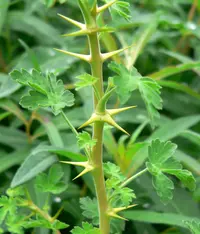
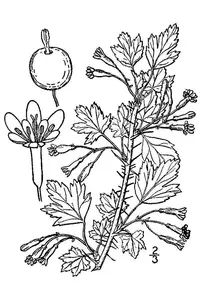
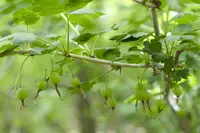
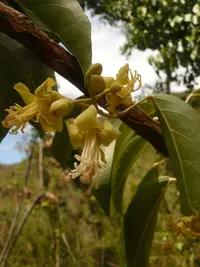
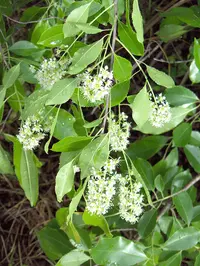
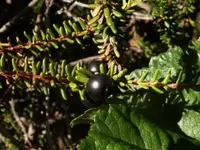
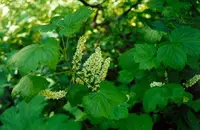
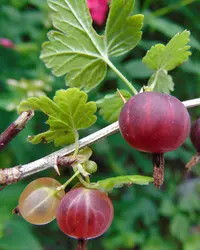
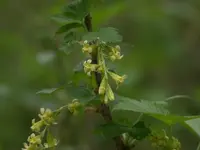
Gooseberry currant (Ribes montigenum) is a cold-hardy, deciduous shrub native to high mountains of western North America. It usually forms a compact, rounded clump with upright, branching stems. Its lobed leaves and small yellow flowers give way to bright red, tart berries that attract wildlife and can be used in cooking when properly identified. The stems may have spines, which makes handling and pruning slightly more demanding. This species adapts well to cool climates, prefers sun to light shade, and grows best in well-drained, moderately moist soil. Overall, it is a durable shrub, and learning how to care for gooseberry currant is straightforward once its need for light and drainage is understood.

Care Difficulty
Moderate Care

Light Preference
Full Sun

Water Requirements
Moderate Water

Temperature Preference
Cold Hardy

Hardiness Zone
4–8

Soil Texture
Loamy, Sandy, Rocky

Soil pH
Acidic (5.5–6.5), Slightly acidic (6.5–7.0)

Soil Drainage
Well-drained

Fertilization
Minimal (feed rarely)
Scan your plant to receive care tips personalized for your specific plant
Available on iOS and Android
This mountain species prefers cool, bright conditions with consistent direct sun at higher elevations.
This shrub prefers evenly moist but not saturated soil, especially during establishment and fruiting.
This species is adapted to cool, mountain conditions and tolerates significant winter cold.
This mountain gooseberry prefers relatively low to moderate ambient humidity and is tolerant of dry air.
Ribes montigenum grows best in cool, moist, sharply drained mineral soils.
This species can be grown in containers if the pot is sized and managed for its deep, spreading root system.
This mountain gooseberry usually needs minimal feeding in the ground but benefits from light nutrition on poor soils or in containers.
Ribes montigenum responds well to light, targeted pruning that maintains an open, healthy framework.
This species is usually grown in the ground, so care focuses on thoughtful transplanting rather than frequent repotting.
Ribes montigenum is commonly propagated by hardwood cuttings and seeds, both suited to cool-climate conditions.
This cold-hardy shrub typically needs little winter care once established in the landscape.

Plant Health Check
Not sure what's wrong with your plant? Check your plant's health inside the app.
This species is native to high mountain habitats of western North America and often grows near timberline on rocky slopes, streambanks, and subalpine meadows where few other fruiting shrubs tolerate the short, cool growing season.
Although its twigs and fruiting stalks bear slender spines, the shrub provides important summer food for birds, small mammals, and bears that feed on the bright red berries, helping disperse its seeds through droppings.
Flowering typically coincides with late snowmelt in subalpine areas, and the nodding, tubular flowers are adapted for pollination by early-season bees and other cold-tolerant insects that are active in chilly mountain conditions.

Ribes montigenum often hybridizes naturally with closely related gooseberry and currant species in overlapping mountain ranges, creating intermediate plants that can make precise field identification challenging even for experienced botanists.
The bright red berries are edible and usually tart to very tart. They are safe to eat raw in small amounts but are most often used cooked in jams, jellies, sauces, or desserts rather than fresh snacking.
Keep your plants happy and healthy with plant identification, disease detection, and easy care guidance.