hairystem gooseberry Care (Ribes hirtellum)

Also known as: Smooth Gooseberry, Northern Gooseberry
hairystem gooseberry

About hairystem gooseberry

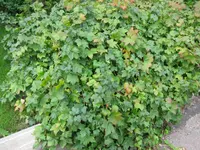
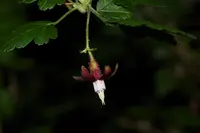
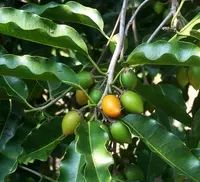
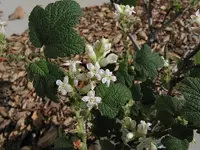
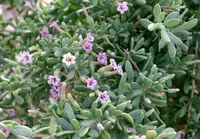
Hairystem gooseberry (Ribes hirtellum) is a hardy, deciduous fruiting shrub valued for its small, round berries and tolerance of cold climates. Plants typically grow as dense, thorny bushes with bristly stems and lobed green leaves.

This species is native to North America, where it occurs in woodland edges, thickets, and moist, open habitats. It is commonly grown in home gardens for fresh eating, cooking, and preserves.

Hairystem gooseberry is generally considered easy to grow, as it adapts to a range of soils and cool conditions, but it does need good air flow to limit leaf diseases. Understanding how to care for hairystem gooseberry starts with providing sun to light shade, consistent moisture, and well-drained, organic-rich soil.

Main Plant Requirements

Care Difficulty

Moderate Care

Light Preference

Full Sun

Water Requirements

Regular Water

Temperature Preference

Cold Hardy

Hardiness Zone

3–7

Soil Texture

Loamy, Sandy, Organic-rich

Soil pH

Acidic (5.5–6.5), Slightly acidic (6.5–7.0)

Soil Drainage

Moist but well-drained

Fertilization

Minimal (feed rarely)

Get Personalized Care Plan

Scan your plant to receive care tips personalized for your specific plant

Available on iOS and Android

How to Care for the hairystem gooseberry

Ribes hirtellum needs cool, bright conditions with several hours of direct sun for good fruiting.

  • Provide 4–6 hours of direct sun daily, ideally morning sun with some light afternoon shade to reduce leaf scorch in hot summers.
  • Plant in an open site with unobstructed light; hairystem gooseberry tolerates partial shade, but fruit yield and sweetness drop as shade increases.
  • In very hot climates, use dappled or filtered light during the hottest hours, while in cooler regions full sun all day is usually safe and most productive.

Ribes hirtellum prefers evenly moist, well-drained soil rather than wet or very dry conditions.

  • Water when the top 3–5 cm of soil feels dry, soaking the root zone deeply and then allowing excess water to drain away fully.
  • During spring and fruiting, monitor more often and maintain consistent moisture; reduce watering in late fall and winter once growth slows or leaves drop.
  • Watch for yellowing, soft leaves or standing water as signs of overwatering, and for wilting, leaf scorch, or small fruit as signs of underwatering or drought stress.

This shrub thrives in cool to mild climates and tolerates significant winter cold once established.

  • Active growth and fruiting are best at 60–75°F (16–24°C); plants tolerate short warm spells above this if soil moisture is maintained.
  • Dormant bushes withstand winter lows around -20°F (-29°C), and mature plants can survive brief drops below this with mulch over the root zone.
  • Extended heat above 85–90°F (29–32°C) can reduce fruit set and stress foliage, so provide mulch and occasional afternoon shade during hot periods.

This shrub handles a wide humidity range and rarely needs special humidity management outdoors.

Ribes hirtellum prefers cool, moist but well-aerated soil for reliable fruiting and root health.

  • Use a deep, loamy soil rich in organic matter, mixing in compost to improve structure and moisture retention.
  • Aim for pH 6.0–6.8; on very acidic sites, incorporate garden lime according to soil test recommendations.
  • Ensure drainage by avoiding compacted spots and heavy clay; raise the bed or use ridges where water lingers after rain.
  • Add coarse sand or fine gravel to dense soils to increase aeration around the root zone and prevent waterlogging.

This shrub can be grown in containers for several years if the pot is large and stable.

  • Choose a pot at least 40–50 cm deep to allow a broad, fibrous root system to spread without circling tightly.
  • Use a heavy, thick-walled container to resist tipping when shoots lengthen and fruit add weight on one side.
  • Elevate the pot slightly on feet or bricks so drainage holes stay clear and excess irrigation water escapes quickly.

Ribes hirtellum benefits from modest, well-timed feeding rather than heavy fertilization.

  • Apply a balanced granular or slow-release fertilizer (around 10-10-10) at half label rate once in early spring as new growth starts.
  • In late spring, supplement with a light top-dressing of compost to support foliage and fruit development.
  • Avoid high-nitrogen products that push soft, leafy growth at the expense of fruit quality and disease resistance.
  • Do not feed in late summer or winter; excess nutrients then can delay dormancy and increase frost damage risk.

Pruning Ribes hirtellum maintains airflow, fruiting wood, and a manageable shrub shape.

  • Carry out main pruning in late winter to very early spring while the plant is still dormant.
  • Remove dead, damaged, crossing, or inward-growing stems using clean, sharp bypass pruners or loppers.
  • Thin older, unproductive branches at the base to encourage strong new shoots for future crops.
  • Aim for an open, bowl-shaped framework so light penetrates the center and fruits ripen evenly.

Hairystem gooseberry is usually grown in the ground, so focus on correct site planting and occasional transplanting.

  • Transplant in early spring or fall when soil is workable and temperatures are mild, reducing stress on roots.
  • Move shrubs that show poor vigor, waterlogging, or crowding, spacing plants 1.2–1.5 m apart for airflow.
  • Lift with a wide root ball, keep roots shaded and moist, and replant at the same soil depth as before.
  • Water deeply after planting, then mulch 5–8 cm around (not against) stems to conserve moisture and stabilize soil temperature.

Ribes hirtellum is commonly propagated vegetatively to maintain cultivar traits and reliable fruiting.

  • Take 15–20 cm hardwood cuttings in late fall to winter, inserting them into moist, well-drained sand or compost mix.
  • Use softwood cuttings in late spring to early summer, providing high humidity and bright, indirect light for rooting.
  • Layer low, flexible branches in spring by pegging partially buried shoots until roots form, then sever and transplant.
  • Sow seeds less often; they require cold stratification, consistent moisture, and patience for variable seedlings.

This shrub is naturally cold hardy in most temperate regions and usually needs minimal winter care.

  • Tolerates substantial frost once fully dormant, though sudden extreme freezes after mild spells can still damage young shoots.
  • Apply a 5–8 cm mulch layer over the root zone in late fall to moderate soil temperature and reduce heaving.
  • Container-grown plants are more exposed; move pots into a sheltered, unheated area or insulate containers to limit root freeze–thaw cycles.

Care Tips

Fan-shaped training

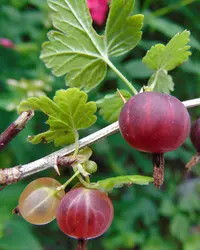
Select 3–5 strong shoots in the second year and tie them to wires or a fence in a fan shape to improve light penetration, airflow, and picking access.

Summer shoot tipping

In mid-summer, pinch or cut back vigorous new shoots to 4–6 leaves above the last fruit cluster to divert energy into fruit sizing and ripening rather than excess wood.

Lower branch mulching

Keep a 5–8 cm layer of straw or shredded bark under the canopy but away from the stem base to reduce soil splash, protect shallow roots, and lower the risk of foliar disease.

Preventive pest bands

Wrap sticky bands or corrugated cardboard strips around the main stems in early spring and inspect or replace them regularly to intercept crawling pests before they reach the foliage and fruit.

Post-harvest sanitation

After harvest, collect and discard all fallen leaves and mummified berries and lightly cultivate the top 2–3 cm of soil to bury remaining debris, which helps reduce overwintering spores and pests when caring for hairystem gooseberry.

Common Pests and Diseases

American gooseberry mildew

This disease causes a white, powdery fungal growth on young shoots, leaves, and fruit that can turn brown and felt-like as it ages. Symptoms include distorted new growth and fruit that cracks or fails to ripen properly.

Solution

Remove and destroy infected shoot tips and fruit as soon as symptoms appear, and keep the center of the bush open by pruning to improve airflow. Avoid overhead watering, and use a sulfur- or potassium bicarbonate-based fungicide labeled for gooseberries at the first sign of infection, repeating as directed during warm, humid periods as part of general Ribes hirtellum care instructions.

Gooseberry sawfly

These insects are green, caterpillar-like larvae that rapidly strip leaves from bushes, often starting in the center of the plant. Symptoms include skeletonized or completely bare shoots while veins may remain.

Solution

Inspect plants frequently from spring onward and hand-pick larvae from leaves, dropping them into soapy water. Encourage birds and beneficial insects, and if infestations are heavy, use a targeted product containing spinosad or pyrethrin, making sure to cover the undersides of leaves and follow label directions closely.

Aphids

These insects are small, soft-bodied sap feeders that cluster on shoot tips and the undersides of leaves. Symptoms include curled or sticky leaves, stunted growth, and honeydew that may attract sooty mold.

Solution

Spray colonies off with a strong stream of water and pinch out heavily infested shoot tips. For persistent infestations, apply insecticidal soap or horticultural oil, coating all surfaces thoroughly and repeating at intervals until populations decline.

Anthracnose leaf spot

This disease produces small, dark spots on leaves that can merge into larger blotches, often leading to early leaf drop in mid to late summer. Symptoms include thinning foliage from the bottom of the plant upward.

Solution

Rake and destroy fallen leaves to reduce overwintering spores and avoid overhead irrigation that keeps foliage wet. In areas with recurring problems, apply a copper- or captan-based fungicide at leaf-out and again during wet periods, and maintain good spacing between plants to promote quick drying after rain.

Currant blister aphid

These insects cause blistered, puckered spots on leaves that may turn red or yellow while the rest of the leaf remains green. Symptoms include cosmetic leaf distortion that can reduce vigor if infestations are heavy over several seasons.

Solution

Prune out and dispose of the most distorted leaves early in the season and encourage natural predators such as lady beetles. If needed, use insecticidal soap on young colonies as leaves are expanding, making sure to treat both upper and lower leaf surfaces before blisters become severe.

Interesting Facts

North American origin

This gooseberry species is native to cool, moist regions of northern North America, where it naturally grows along stream banks, forest edges, and rocky slopes.

Powdery mildew resistance

Compared with the European gooseberry, this species shows notably higher resistance to American powdery mildew, so it has been widely used in breeding programs to improve disease resistance in cultivated gooseberries.

Spines and leaf shape

The shrubs typically have single to few stout spines at each node and shallowly 3–5 lobed leaves, features that help distinguish it from many other wild gooseberries in the field.

Botan icon

Did you know?

Many modern dessert and culinary gooseberry cultivars are complex hybrids that include this North American species in their ancestry, because breeders used its cold hardiness and disease resistance to make more reliable fruiting plants for temperate gardens.

FAQs about hairystem gooseberry

The berries and young leaves are edible and commonly used for fresh eating, jams, and desserts. However, the fruit is very tart when under-ripe. Always wash fruit thoroughly and avoid leaves or stems that show disease or pest damage.

Grow Healthy Plants with Botan Care

Keep your plants happy and healthy with plant identification, disease detection, and easy care guidance.

Botan plant care app — identify plants on mobile

Explore More Plants