Rock mulch ring
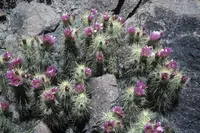
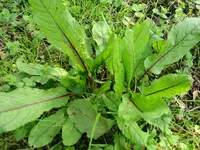
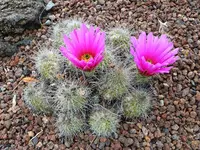
Create a 5–10 cm wide ring of gravel or small rocks around the base to keep leaves off wet soil, reduce rot risk, and improve drainage around the crown.

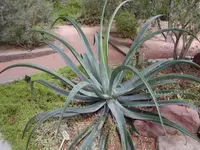
Octopus agave, Agave vilmoriniana, is a sculptural succulent from arid regions of Mexico. It forms a solitary rosette of long, narrow, twisting leaves that arch outward like tentacles. The leaves are usually smooth-edged but end in a sharp tip.
This species is drought tolerant and slow growing, which makes it relatively low maintenance when its needs are met. It thrives in strong light, fast-draining soil, and dry conditions between waterings.
Gardeners often choose it as a dramatic focal point in xeriscapes or large containers. Understanding how to care for Octopus Agave mainly involves avoiding excess moisture and providing plenty of sun.

Care Difficulty
Easy Care

Light Preference
Full Sun

Water Requirements
Low Water

Temperature Preference
Tropical / Frost Sensitive

Hardiness Zone
9–11

Soil Texture
Sandy, Loamy, Rocky

Soil pH
Slightly acidic (6.5–7.0), Slightly alkaline (7.0–7.5)

Soil Drainage
Well-drained

Fertilization
Minimal (feed rarely)
Scan your plant to receive care tips personalized for your specific plant
Available on iOS and Android
This sun-loving succulent needs strong light to maintain compact, healthy rosettes.
This drought-adapted species prefers deep, infrequent watering rather than frequent light drinks.
This agave thrives in warm, arid to semi-arid climates and dislikes prolonged cold or damp conditions.
This species tolerates a wide humidity range and usually needs no special humidity management indoors or outdoors.
This succulent needs very fast-draining, mineral-based soil to prevent root rot.
This species is well suited to container growing when the pot supports its spreading, top-heavy rosette.
This succulent needs only light feeding, as Octopus Agave is adapted to lean, rocky soils.
Pruning Agave vilmoriniana focuses on hygiene and safety rather than shaping.
Container-grown plants and young transplants benefit from occasional moving to fresh, sharply draining soil.
New Agave vilmoriniana plants are most often raised from offsets or seeds.
This agave dislikes prolonged freezing and benefits from thoughtful winter management in cooler climates.

Plant Health Check
Not sure what's wrong with your plant? Check your plant's health inside the app.
This species has long, narrow leaves that naturally twist and arch outward as they mature, giving the rosette a distinctive octopus-like appearance that is much more pronounced than in most other agaves.
Unlike many agave species, its leaf margins are almost completely smooth and lack strong spines, with only a terminal spine at the tip, which makes handling and maintenance comparatively safer.
Native to arid regions of western Mexico, this plant is adapted to intense sun, high heat, and prolonged drought, storing water in its fleshy leaves and using CAM photosynthesis to reduce water loss at night.

In its native Mexican habitat, large rosettes can produce a single towering flowering stalk up to several meters tall, after which the plant dies, but that stalk often carries numerous bulbils (small plantlets) that can root and form new colonies, allowing the species to persist in very harsh, rocky terrain.
Brown tips or edges usually come from salt or mineral buildup, underwatering, or cold or wind damage. Check for very dry soil, drafty sites, or recent fertilizer. Flush the soil occasionally and remove only fully dead tissue.
Keep your plants happy and healthy with plant identification, disease detection, and easy care guidance.