Prairie Sandmat Care (Euphorbia missurica)

Prairie Sandmat

About Prairie Sandmat

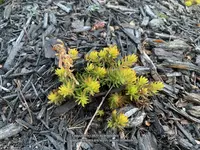
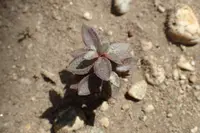
Prairie sandmat (Euphorbia missurica) is a low-growing, mat-forming perennial native to dry prairies and open sandy or rocky sites in central North America. It stays compact, often hugging the ground with many small stems and narrow leaves, and produces tiny, inconspicuous flowers close to the foliage. This growth habit helps it cope with heat, wind, and poor soils. The species is adapted to full sun, low to moderate moisture, and well-drained, often sandy soil, which makes it suitable for xeric or naturalistic plantings. Those who want to care for Prairie Sandmat should understand its preference for dry, open conditions rather than rich, moist garden beds.

Main Plant Requirements

Care Difficulty

Easy Care

Light Preference

Full Sun

Water Requirements

Low Water

Temperature Preference

Cold Hardy

Hardiness Zone

3–7

Soil Texture

Sandy, Loamy, Rocky

Soil pH

Slightly acidic (6.5–7.0), Neutral (7.0)

Soil Drainage

Well-drained

Fertilization

Minimal (feed rarely)

Get Personalized Care Plan

Scan your plant to receive care tips personalized for your specific plant

Available on iOS and Android

How to Care for the Prairie Sandmat

This sun-loving prairie succulent needs strong light to stay compact and bloom well.

  • Provide 6–8 hours of direct sun daily; full sun suits most wild and garden sites, especially in open, dry prairies.
  • It tolerates light afternoon shade in very hot regions, but dense shade leads to stretched, weak growth and fewer flowers in Prairie Sandmat.
  • In early spring and fall, full exposure is ideal; in midsummer, monitor for leaf scorch on reflective sites and add slight shade if tissues pale or crisp.

This drought-adapted species prefers infrequent, light watering and fast-drying soil.

  • Allow the top 3–5 cm of soil to dry completely before watering; in native sandy or gravelly soils, rain alone often suffices once plants are established.
  • During hot, dry spells, water only when stems begin to soften or foliage dulls slightly, then soak and let excess drain away fully.
  • Euphorbia missurica is highly sensitive to overwatering; chronically wet or compacted soil causes stem rot, yellowing, and sudden collapse.

This species is a cold-hardy, heat-tolerant succulent suited to continental climates.

  • Active growth occurs around 65–85°F (18–29°C); it handles typical summer heat if soil is well drained and roots are not waterlogged.
  • Mature plants tolerate brief drops to about -20°F (-29°C) under natural conditions, especially with snow cover or dry soil.
  • Frost is generally tolerated, but rapid freeze–thaw cycles and winter wet increase damage; avoid siting where meltwater pools or ice forms around crowns.

This drought-adapted species tolerates low humidity and usually does not need special humidity management indoors or outdoors.

  • Target a broad humidity range of 20–50%, as Prairie Sandmat is adapted to dry prairie air rather than humid conditions.
  • Dry indoor air rarely harms the plant; more damage comes from overwatering combined with cool, stagnant conditions than from low humidity.
  • Humidity stress appears as rot at the stem base or mushy roots when air is very humid and soil stays wet; improve air flow and reduce watering instead of adding moisture.

This species prefers very fast-draining, low-fertility soil that mimics dry prairie or rocky habitats.

  • Use a sandy or gravelly mix such as 50–60% coarse sand or fine gravel with 40–50% lean potting soil or cactus mix to keep roots dry and aerated.
  • Aim for slightly acidic to neutral pH, roughly 6.0–7.5, which suits most native soils where Euphorbia missurica occurs.
  • Improve drainage and aeration by blending in mineral components like pumice, perlite, or crushed stone rather than heavy compost or peat.
  • Avoid dense, clay-rich, or high-organic soils that stay wet for long periods, as these sharply increase the risk of root and crown rot.

This species can be grown in containers if the pot and substrate are managed to stay dry and stable.

  • Choose a wide, shallow pot to match its low, spreading root system and reduce the chance of media staying wet at depth.
  • Use a coarse, mineral-heavy mix and keep the pot slightly raised on feet or bricks so drainage holes never sit in collected water.
  • Select unglazed clay or terracotta to allow faster evaporation through the pot wall, which helps prevent root rot in wet climates.

This drought-adapted native Euphorbia missurica needs minimal fertilization and often thrives in lean soil.

  • In average garden soil, skip routine feeding; compost worked into the bed before planting is usually sufficient.
  • For very poor, sandy sites, apply a light layer of compost or a low-dose balanced granular fertilizer once in spring.
  • If grown in containers, use a diluted balanced liquid fertilizer at 1/4–1/2 strength every 4–6 weeks in active growth.
  • Do not feed in fall or winter, when growth slows and added nutrients are not efficiently used.

Pruning needs for Euphorbia missurica are light and mainly focused on cleanup and maintaining a tidy clump.

  • Best time for pruning is late winter to early spring before vigorous new growth begins.
  • Remove dead, damaged, or diseased stems at the base with clean, sharp scissors or hand pruners.
  • Thin crowded or sprawling stems to keep a low, open mat and to prevent shading of new shoots.
  • Avoid heavy cutting into healthy tissue during peak growth to reduce stress and latex sap flow.

This species is usually grown in the ground, with transplanting done only when necessary to preserve established plants.

  • Transplant in early spring or early fall, avoiding hot, dry periods that increase stress on roots.
  • Look for signs such as slow recovery after watering, crowded clumps, or roots circling in a small container.
  • Lift plants with a broad soil ball, disturb roots as little as possible, and replant at the same depth in well-drained soil.
  • Water thoroughly after transplanting, then allow soil to dry between waterings to support root re-establishment and reduce rot risk.

Propagation of Euphorbia missurica is most reliable from seeds but can also involve cautious division of established clumps.

  • Collect ripe seeds in late summer and sow in fall or early spring in a sharply drained, sandy mix.
  • Provide bright light, good air flow, and moderate moisture; keep the medium just slightly moist until germination.
  • For division, work in early spring, lifting small sections with several stems and intact roots.
  • Replant divisions immediately, firm soil gently around roots, and water once to settle without leaving soil saturated.

Euphorbia missurica is cold hardy in much of its native range and usually needs little winter attention in the ground.

  • In regions with freeze–thaw cycles, a light 2–5 cm mulch helps stabilize soil temperature without smothering crowns.
  • Avoid heavy, wet mulches that hold moisture against stems and increase rot risk during winter dormancy.
  • Container-grown plants in cold climates should be moved to a sheltered, unheated but frost-free area if roots are exposed.

Care Tips

Control Plant Spread

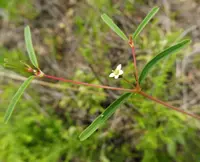
Mark the edges of planting areas with stones or low edging so the mat-forming stems do not encroach on paths or less drought-tolerant plants, trimming back runners once or twice a season to keep the colony compact.

Encourage Dense Mats

Pin down longer stems with small landscape staples or bent wire where you want coverage, which encourages nodal rooting and helps create an even, erosion-resistant groundcover when growing Prairie Sandmat.

Protect From Competition

Hand-weed around the plants rather than using mulch directly over the crowns, since thick organic mulch can smother this low-growing species and favor taller, more aggressive weeds.

Seed Harvest Management

Bag a few mature seed capsules in fine mesh or paper seed bags before they dry, since the capsules can burst and eject seeds several feet, making it easier to collect seed for controlled propagation or restoration projects.

Safe Handling Practices

Wear disposable gloves and avoid touching your face when cutting or lifting plants, because the milky sap can irritate skin and eyes, and wash tools with soap and water after work to prevent residue buildup.

Common Pests and Diseases

Stem canker

This disease causes localized sunken, dark lesions on stems that may girdle and kill individual shoots in stress conditions. Symptoms include shriveling and dieback of affected sections, especially after physical injury or drought stress.

Solution

Prune out and discard affected stems well below the diseased area, using clean, sharp tools and allowing cut surfaces to dry in good airflow. Reduce stress by avoiding overwatering in heavy soils, maintaining full sun exposure, and preventing mechanical damage to stems and crowns.

Crown gall

This disease produces rough, swollen galls at or just above the soil line, which can restrict water and nutrient movement and gradually weaken clumps. Symptoms include distorted stem bases and reduced vigor over several seasons.

Solution

Remove and discard severely affected plants, including as much of the root system and surrounding soil as possible, and avoid replanting susceptible euphorbias in the exact spot for several years. Start new plants from healthy, disease-free stock and avoid wounding the crown area when planting or cultivating around the plant.

Spittlebug

This pest creates white foamy masses on stems and in branch crotches, where the nymphs feed on sap. This feeding rarely kills established plants but can reduce vigor in young or drought-stressed plants.

Solution

Wash off foam masses and insects with a firm stream of water, repeating as needed during peak activity. Encourage predators such as spiders and small birds by maintaining diverse nearby vegetation, and avoid high-nitrogen fertilization that encourages soft, attractive new growth.

Aphids

These insects cluster on tender new growth and flower stalks, sucking sap and sometimes causing distortion or yellowing. This pest can also produce sticky honeydew that attracts ants and supports sooty mold on nearby foliage.

Solution

Dislodge colonies with a strong water spray and prune heavily infested shoot tips on small plants. For persistent populations, use a horticultural soap or light horticultural oil applied in the cool part of the day, coating insects directly while avoiding runoff into surrounding native vegetation.

Interesting Facts

High Plains specialist

This species is strongly associated with dry, open habitats of the central North American Great Plains and sandhills, often growing in very thin, drought-prone soils where many other forbs cannot persist.

Compact, taprooted growth

The plant forms a low, mat-like habit supported by a relatively deep taproot that allows it to access moisture below the surface, helping it survive prolonged dry and windy conditions typical of its native range.

Specialist insect visitors

Field observations show that its small, inconspicuous cyathia (the cup-like euphorbia inflorescences) are visited by a specialized subset of small bees and flies that can handle short-tubed flowers close to the ground.

FAQs about Prairie Sandmat

This species is a short-lived perennial. Individual plants often persist 2–4 years, especially in well-drained, sunny, dry sites. In colder regions, it may behave like a reseeding annual, returning from seed rather than overwintering reliably.

Grow Healthy Plants with Botan Care

Keep your plants happy and healthy with plant identification, disease detection, and easy care guidance.

Botan plant care app — identify plants on mobile

Explore More Plants