pinkflower hedgehog cactus Care (Echinocereus fendleri)

Also known as: Fendler's Hedgehog Cactus
pinkflower hedgehog cactus

About pinkflower hedgehog cactus

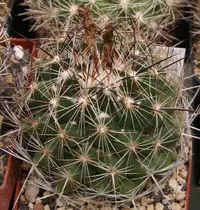
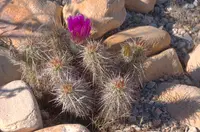
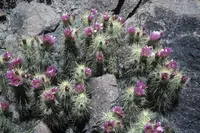
The pinkflower hedgehog cactus, Echinocereus fendleri, is a small, clumping cactus native to arid regions of the southwestern United States and northern Mexico. Plants grow as short, cylindrical stems densely covered with sharp spines.

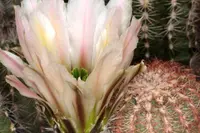
In spring, it produces large, bright pink to magenta flowers that contrast strongly with the spiny stems. Fruits are usually small and may be lightly spiny.

This species is adapted to strong sun, rocky or sandy soils, and low rainfall, which makes it relatively forgiving of drought but sensitive to overwatering. Understanding how to care for pinkflower hedgehog cactus mainly involves providing excellent drainage, high light, and avoiding prolonged cold and wet conditions.

Main Plant Requirements

Care Difficulty

Easy Care

Light Preference

Full Sun

Water Requirements

Low Water

Temperature Preference

Cold Hardy

Hardiness Zone

5–9

Soil Texture

Sandy, Rocky, Loamy

Soil pH

Slightly acidic (6.5–7.0), Neutral (7.0)

Soil Drainage

Well-drained

Fertilization

Minimal (feed rarely)

Get Personalized Care Plan

Scan your plant to receive care tips personalized for your specific plant

Available on iOS and Android

How to Care for the pinkflower hedgehog cactus

This desert cactus needs strong, direct sun to stay compact and flower well.

  • Provide 6–8 hours of direct sun daily, ideally with strong morning to early afternoon exposure; in very hot regions, light afternoon shade reduces scorching risk.
  • Pinkflower hedgehog cactus tolerates bright, open sites with only brief partial shade, but prolonged shade causes lanky, pale growth and poor blooming.
  • Outdoors, choose a south- or west-facing slope or rock garden; in cloudy seasons, avoid additional shading so the plant receives the maximum available sun.

This species prefers infrequent, deep watering with thorough drying between soakings.

  • During active growth in spring and early summer, water only when the top 3–5 cm of soil are completely dry and the plant looks slightly less plump.
  • Use very fast-draining, gritty soil or a rock garden setting so water runs through quickly and roots do not sit in soggy conditions.
  • Signs of excess water include yellowing, soft or translucent stems, and blackening at the base; deep wrinkling and shrinking over several weeks indicate underwatering.

This cactus is adapted to wide temperature swings but needs protection from severe cold and prolonged damp chill.

  • Aim for warm growing conditions of 70–90°F (21–32°C) during the day and 50–65°F (10–18°C) at night in spring and summer for steady growth.
  • Mature plants can briefly tolerate down to about 10–15°F (−12 to −9°C) if soil is very dry, but repeated freeze–thaw cycles increase rot risk.
  • In hot spells above 95–100°F (35–38°C), airflow and light afternoon shade help prevent tissue stress, especially for Echinocereus fendleri in shallow or rocky sites.

This species prefers dry air and rarely needs humidity adjustment indoors.

  • Aim for 20–40% humidity, similar to typical heated rooms in arid and semi-arid regions.
  • It tolerates very dry air; persistent humidity above 60% increases risk of rot at the stem base.
  • Soft, pale tissue, fungus spots, or musty odor indicate excess humidity; improve air movement and keep the pinkflower hedgehog cactus away from humidifiers.

This cactus needs a very fast-draining, mineral-based substrate to prevent root rot.

  • Use a gritty, sandy mix: 50–70% mineral components (pumice, coarse sand, small gravel) with the remainder cactus potting mix.
  • Ensure a loose, open structure so water drains in seconds, not minutes, and the root zone dries within a few days.
  • Keep pH slightly acidic to neutral, around 6.0–7.0, avoiding strongly alkaline or salty substrates for Echinocereus fendleri.
  • Avoid clayey, compacted, or peat-heavy mixes; lighten any commercial cactus soil by adding extra pumice or coarse grit for aeration.

This species is well suited to container growing when drainage and stability are carefully managed.

  • Select a pot just slightly wider than the root mass to keep the mix drying quickly and reduce prolonged moisture around the roots.
  • Choose a heavy, unglazed clay container if possible, as it breathes and its weight helps prevent tipping in exposed, sunny spots.
  • Elevate the pot on feet or mesh so drainage holes stay clear and water runs off immediately after heavy rain or deep watering.

This desert cactus needs only light feeding, focused on the active growing season.

  • Use a low-dose balanced cactus fertilizer (around 10-10-10) or diluted all-purpose feed at 1/4–1/2 strength.
  • Apply once per month in spring and early summer when growth is evident and skip feeding in late summer onward.
  • Do not fertilize during winter dormancy; excess nutrients then can cause weak, elongated growth.
  • In outdoor native-style plantings of pinkflower hedgehog cactus, fertilizer is often unnecessary if soil is mineral and not depleted.

Echinocereus fendleri requires minimal pruning, mainly for health and safety rather than shaping.

  • Carry out any pruning in late spring or early summer when growth is active and wounds heal faster.
  • Remove only dead, diseased, frost-damaged, or shriveled stems with clean, sharp pruners and thick gloves.
  • Cut close to the base without damaging healthy tissue to maintain the clump’s natural form and flowering potential.
  • Dispose of removed stems carefully; do not compost diseased material to limit disease carryover.

Container-grown plants rarely need frequent repotting, but occasional transplanting maintains root health.

  • Check for roots circling the pot, emerging from drainage holes, or slowed growth as signs it needs a larger container.
  • Plan repotting or transplanting for late spring, using a gritty cactus mix and a pot only 2–3 cm wider.
  • Handle Echinocereus fendleri with tongs or folded newspaper to avoid spine injury and root tearing.
  • Minimize stress by keeping roots as intact as possible, watering lightly after 3–5 days, and resuming normal care after new growth appears.

This species is commonly propagated by seeds and, when available, by offsets.

  • Sow fresh seed in late winter or spring on a sterile, gritty mix and keep slightly moist at 70–80°F with bright, indirect light.
  • Lightly cover or press seeds into the surface, as some need light exposure for best germination.
  • Allow any offsets to reach a stable size, then twist off carefully and let cut surfaces callus for several days.
  • Place callused offsets on barely moist cactus mix, keep warm and bright, and water sparingly until firm rooting develops.

This cactus is fairly cold hardy but benefits from dry, well-drained conditions in winter.

  • Mature plants often tolerate brief drops to about 0–10°F if soil is very free-draining and kept dry.
  • In cold, wet climates, use a gravel mulch around the base to keep the crown dry and reduce freeze–thaw stress.
  • Move container plants to an unheated, bright indoor space that stays above freezing and remains on the dry side.
  • Avoid winter watering except to prevent severe shriveling, as excess moisture in cold soil encourages rot.

Care Tips

Rock mulch ring

Place a loose ring of small rocks or coarse gravel around the base to stabilize the plant, keep the stem dry at soil contact, and mimic its natural rocky habitat while leaving gaps so water can drain freely.

Top dress with grit

Add a 1–2 cm layer of mineral grit (pumice, granite chips, or coarse sand) on top of the potting mix to reduce stem rot risk, limit algae growth, and keep spines clean for easier inspection.

Cold dormancy setup

If winter temperatures are frost-free indoors, move the plant to a bright, unheated space (40–50°F) and keep soil almost dry to encourage proper dormancy and stronger flowering the following season.

Flowering support stakes

When heavy buds or flowers lean, insert a narrow stake or decorative rock and gently support the stem with a soft plant tie so the base is not stressed or uprooted in shallow, gritty soil.

Safe repot timing

Repot only in late spring or early summer when growth is active, then keep the plant dry for 5–7 days after disturbing the roots so any minor wounds callus before watering, which is important when caring for pinkflower hedgehog cactus.

Common Pests and Diseases

Cochineal scale

This pest appears as dense white cottony patches on ribs and between spines, often exuding brilliant red juice when crushed. Symptoms include slowed growth and yellowing or dull, stressed-looking stems.

Solution

Physically remove colonies with a strong jet of water or a soft brush dipped in soapy water, taking care not to damage the cactus skin. After cleaning, allow the plant to dry thoroughly and, if needed, apply a ready-to-use insecticidal soap or neem oil, repeating every 7–10 days until no new insects appear.

Spider mites

These insects thrive in hot, very dry conditions and cause fine yellow stippling, a dusty look to stems, and occasional fine webbing in spine clusters. Symptoms include loss of normal green color and a generally dull, tired appearance of stems.

Solution

Increase air movement and briefly hose down the plant to dislodge mites, allowing the cactus to dry quickly in full sun. For persistent infestations, use a labeled miticidal soap or neem oil, spraying all surfaces and repeating at 5–7 day intervals while monitoring for recurrence.

Fusarium stem blight

This disease causes sunken, discolored patches on stems that may turn brown or purplish and gradually spread, sometimes with internal orange to brown staining of tissues. Symptoms include localized collapse of ribs and eventual drying or rotting of affected portions.

Solution

Promptly cut away affected tissue with a sterile blade back into healthy, firm green tissue, then allow the wound to dry and callus in a bright, airy place. Reduce watering, keep the plant in a fast-draining mineral mix, and discard severely affected specimens to avoid spreading the pathogen to other cacti nearby.

Soft bacterial rot

This disease leads to rapidly soft, water-soaked, foul-smelling areas on stems, often starting at a wound or damaged spot. Symptoms include sudden collapse of sections of the plant, with mushy tissue that may ooze liquid.

Solution

Immediately isolate the plant, cut away all soft tissue well into firm healthy tissue, and disinfect tools between cuts. Keep the cactus completely dry while the wound heals, improve drainage and ventilation, and dispose of any unrecoverable plant material to prevent spread to other cacti.

Snail and slug feeding

These pests chew irregular notches, pits, or scars on the epidermis, particularly on young tissue and around the base of the plant. Symptoms include cosmetic scarring and occasional deep bites that create entry points for rot-causing microbes.

Solution

Physically remove snails and slugs at dusk or early morning and use barriers such as copper tape or coarse gravel around pots or planting areas. In wetter climates, use iron phosphate bait according to label directions and keep the area around the cactus dry and free of dense groundcover to reduce hiding spots while focusing on Echinocereus fendleri care that favors drier conditions.

Interesting Facts

Variable flower color

This species produces large funnel-shaped flowers that range from bright magenta to pale pink, often with a contrasting white or greenish throat, and a dense ring of yellow stamens that attract native bees.

Cold-hardy desert cactus

Despite its origin in arid Southwestern habitats, this cactus can tolerate short periods of subfreezing temperatures in the wild, surviving in open pinyon-juniper woodlands and grasslands at relatively high elevations.

Spines as camouflage

The dense, often banded spines help break up the outline of the stems, providing visual camouflage among rocks and grasses and also shading the surface of the plant from intense sun.

Botan icon

Did you know?

Some populations form tight, low clumps of many stems that are adapted to snow cover, allowing the plant to overwinter beneath an insulating layer of snow while its tissues remain alive and ready to resume growth when temperatures rise.

FAQs about pinkflower hedgehog cactus

Blooming usually occurs in spring, often March–May, depending on climate. It produces large, bright magenta to pink, funnel-shaped flowers around the stem tips, sometimes in rings. Individual flowers last several days under suitable conditions.

Grow Healthy Plants with Botan Care

Keep your plants happy and healthy with plant identification, disease detection, and easy care guidance.

Botan plant care app — identify plants on mobile

Explore More Plants