Nickels' cactus Care (Coryphantha nickelsiae)

Also known as: Nickels' Pincushion Cactus, Nickels's Coryphantha
Nickels' cactus

About Nickels' cactus

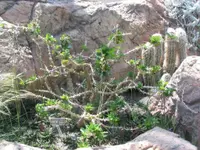
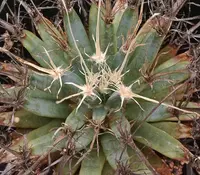
Nickels' cactus, Coryphantha nickelsiae, is a small, globular cactus native to arid regions of northern Mexico. It usually grows as a single rounded stem covered with pronounced tubercles and dense spines.

The plant often produces showy, funnel-shaped flowers near the top, typically in pale yellow or cream tones. Its compact size makes it suitable for containers and small indoor displays.

This species stays relatively slow-growing and prefers bright light, low humidity, and a very well-drained mineral soil mix. Once these conditions are met, it is generally considered manageable for growers learning how to care for Nickels' cactus.

Main Plant Requirements

Care Difficulty

Moderate Care

Light Preference

Full Sun

Water Requirements

Low Water

Temperature Preference

Warm Climate

Hardiness Zone

9–11

Soil Texture

Sandy, Rocky, Loamy

Soil pH

Slightly acidic (6.5–7.0), Neutral (7.0)

Soil Drainage

Well-drained

Fertilization

Minimal (feed rarely)

Get Personalized Care Plan

Scan your plant to receive care tips personalized for your specific plant

Available on iOS and Android

How to Care for the Nickels' cactus

This small desert cactus prefers strong light with some protection from extremes.

  • Provide 6–8 hours of direct sun daily, ideally with bright morning sun and light afternoon shade, especially in hot, dry climates.
  • Plant in an open, unobstructed spot; it tolerates light partial shade but stems may elongate and spine color fades if light drops too low.
  • In summer heatwaves, offer filtered light during the harshest afternoon hours to reduce sunscald and tissue stress on Nickels' cactus.

Water sparingly and only when the soil has fully dried.

  • Before watering, ensure the top 5–8 cm of soil are completely dry; in hot active growth this may mean deep watering roughly every 2–4 weeks in very fast-draining grit-rich soil.
  • During cool autumn and winter, reduce watering sharply, sometimes stopping almost entirely to prevent root rot and splitting of the stem.
  • Symptoms of overwatering include yellowing, soft, or translucent tissue, while pronounced wrinkling and soil pulling away from the roots indicate it is time to water Coryphantha nickelsiae.

This species thrives in warm, dry conditions with a pronounced cool, dry rest period.

  • Aim for 70–90°F (21–32°C) during active growth; short peaks up to about 100°F (38°C) are tolerated if soil is dry and airflow is good.
  • Protect from frost; growth stops below about 50°F (10°C) and the plant is best kept above 40°F (4°C), as persistent colder conditions can damage roots and tissue.
  • In winter, maintain a cool, dry rest at 45–55°F (7–13°C) with no or minimal water, then warm gradually in spring to restart growth without shocking the plant.

This desert cactus prefers very dry air and usually does best at 20–40% humidity.

  • Nickels' cactus tolerates typical heated indoor air well and does not need extra humidity devices.
  • Persistent humidity above 60% can promote rot, seen as soft, yellowing tissue at the base or between tubercles.
  • If humidity is high, increase airflow with a fan, space plants apart, and keep the potting mix completely dry between waterings.

This species needs a very fast-draining, mineral-heavy mix that dries quickly after watering.

  • Use a gritty mix of roughly 60–80% inorganic material such as pumice, coarse sand, and small gravel, with 20–40% cactus potting mix.
  • Ensure sharp drainage so water runs through in seconds, leaving the mix dry within 2–4 days in warm conditions.
  • Aim for slightly acidic to neutral pH, around 6.0–7.0, which suits most Coryphantha nickelsiae plants.
  • Avoid dense peat, fine compost, or unamended garden soil, which compact, reduce aeration, and greatly increase root-rot risk.

This cactus is very suitable for container growing when the pot controls moisture tightly.

  • Choose a shallow, wide pot so the relatively small root system fills the footprint, helping the mix dry evenly after watering.
  • Select unglazed terracotta if possible, as its porous walls allow faster evaporation and reduce the risk of prolonged wetness.
  • Place a stable, heavy pot on a firm surface so the plant does not tip as the body enlarges and becomes more top-heavy over time.

This desert cactus needs only modest feeding to stay healthy in containers.

  • Use a balanced cactus fertilizer (around 10-10-10) diluted to 25–50% strength in well-watered soil.
  • Feed Nickels' cactus every 4–6 weeks during the warm growing season with liquid or slow-release fertilizer.
  • Avoid organic compost or rich mixes, which hold excess moisture and can rot roots.
  • Stop feeding in fall and winter when growth slows or stops.

Coryphantha nickelsiae requires almost no pruning beyond basic sanitation.

Container-grown plants prefer infrequent repotting with minimal root disturbance.

  • Repot every 3–4 years or when roots circle the pot, growth slows, or soil stays wet too long.
  • Carry out repotting in late spring to early summer, when active growth helps recovery.
  • Use a shallow pot with fast-draining cactus mix, handling the root ball gently and keeping roots as intact as possible.
  • After repotting, keep the plant dry for 5–7 days, then resume very light watering to limit root stress.

This species is usually propagated from seed rather than offsets.

  • Sow fresh seeds in late spring to summer on a gritty, sterile cactus mix with very shallow cover or none.
  • Maintain 70–80°F, bright indirect light, and consistently slight moisture until germination.
  • Provide gentle airflow and avoid waterlogging to reduce damping-off in young seedlings.
  • Once seedlings are firm and spined, gradually increase light intensity and extend drying periods between waterings.

This cactus benefits from a cool, dry winter rest, especially in colder regions.

  • Keep plants near 45–55°F in winter, above freezing, and absolutely dry or nearly dry.
  • Move containers indoors or into an unheated bright room or greenhouse before frost.
  • Ensure maximum light through winter to maintain compact growth and healthy spines.
  • Avoid cold, wet soil, which greatly increases the risk of root and crown rot.

Care Tips

Topdressing with grit

Apply a 0.5–1 cm layer of washed mineral grit or pumice over the soil surface to keep the stem base dry, discourage fungus gnats, and reduce the risk of rot at the neck of the plant.

Gradual light hardening

When moving the plant outdoors for summer, increase light exposure over 7–10 days using shade cloth or bright open shade first, which prevents epidermal scorch and preserves the natural spine color and pattern.

Targeted pest inspection

Use a soft brush or compressed air on low pressure to remove dust and check closely between the tubercles for early mealybug or scale activity, treating immediately with an appropriate systemic insecticide if any are found.

Winter rest management

From late fall, keep the plant completely dry and in strong light at 45–55°F to promote a firm, compact body and to support flower bud formation for the following season.

Pot rotation practice

Rotate the pot by 90° every 2–3 weeks during the growing season so the cactus receives even light on all sides, which maintains a symmetrical dome shape when caring for Nickels' cactus.

Common Pests and Diseases

Mealybugs

This pest hides between tubercles and around the cactus base, sucking sap and causing dull, stunted growth and sticky honeydew. Symptoms include cottony white clumps in crevices and at the root neck, especially in dry indoor conditions.

Solution

Isolate the plant, then dab visible insects with cotton swabs dipped in 70% isopropyl alcohol and repeat weekly until no new clusters appear. For heavier infestations, use a systemic insecticide labeled for cacti and improve air movement and light levels to make growing conditions less favorable to mealybugs.

Red spider mites

These insects favor hot, dry conditions and can cause a dusty, faded appearance on the epidermis, especially on the sun-exposed side. Symptoms include fine webbing in areoles and tiny rust-colored specks that move when disturbed.

Solution

Rinse the plant thoroughly with a firm stream of water, then raise humidity slightly around the plant without wetting the soil and increase air circulation. If mites persist, apply a targeted miticide or insecticidal soap labeled for succulents, repeating treatments according to label directions until new damage stops.

Scale insects

This pest appears as hard, brown or gray dome-shaped bumps on ribs and around areoles, often blending with the spines and epidermis. Symptoms include localized yellowing, slow growth, and sticky residue on the pot or nearby surfaces.

Solution

Manually remove scales with a soft brush or toothpick, then wipe affected areas with diluted alcohol to break the protective coating. For recurring problems, use a systemic insecticide and avoid overfertilizing, which encourages soft, vulnerable tissue in growing Nickels' cactus.

Fungal spot lesions

This disease develops on the epidermis as small, sunken brown or black spots that may slowly enlarge, often following minor mechanical damage or water sitting on the stem. Symptoms include firm but discolored patches that remain localized unless humidity stays high and airflow is poor.

Solution

Cut away small, affected areas with a sterile blade if they are spreading, then dust the wound with sulfur or a dry fungicidal powder and keep the plant in a dry, bright, well-ventilated place. Avoid overhead watering, especially in cool conditions, and allow the stem surface to stay dry to prevent new infections.

Basal stem rot

This disease usually starts at the soil line, where the base softens, discolors, and collapses while the upper part of the plant may remain firm for a time. Symptoms include a brown or black water-soaked ring at the base with a sour smell and the plant leaning or detaching from the roots.

Solution

At the earliest signs, unpot the cactus, cut away all soft tissue back to firm, healthy flesh, and dust cuts with sulfur or a fungicide powder, then allow the plant to dry for several days before attempting to reroot in fresh, very fast-draining mineral substrate. Discard severely affected plants and soil, disinfect pots and tools, and adjust watering to very light, infrequent applications with complete drying between waterings.

Interesting Facts

Distinctive tubercle pattern

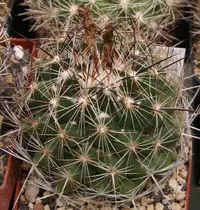
This species forms a single, depressed-globose stem densely covered with conical tubercles that are arranged in a spiral pattern, a useful feature for distinguishing it from closely related Coryphantha species in the field.

Native to Coahuila limestone

It is naturally restricted to limestone-derived substrates in Coahuila, Mexico, where it occupies rocky slopes and outcrops, reflecting a strong adaptation to alkaline, mineral-rich soils.

Conspicuous yellow flowers

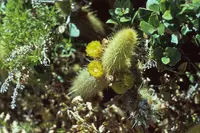
Mature plants produce relatively large, bright yellow, funnel-shaped flowers from the stem apex, which contrast strongly with the greyish spines and make this species highly recognizable among collectors interested in Coryphantha nickelsiae plant care.

FAQs about Nickels' cactus

Lack of flowers usually comes from insufficient light, a pot that is too large, or no cool, dry winter rest. This species sets buds after a bright summer followed by several months around 45–55°F with minimal watering.

Grow Healthy Plants with Botan Care

Keep your plants happy and healthy with plant identification, disease detection, and easy care guidance.

Botan plant care app — identify plants on mobile

Explore More Plants