Agave horrida Care

Agave horrida

About Agave horrida

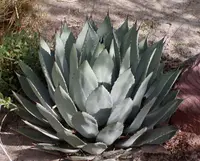
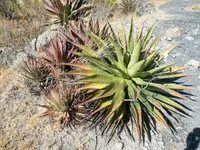
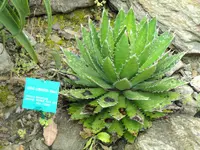
Agave horrida is a compact, slow-growing succulent from central Mexico, forming a dense rosette of thick, dark green leaves with striking white marginal teeth. The plant stays low and architectural, making it suitable for containers, dry gardens, and rockeries in warm climates.

Its leaves are rigid and sharply tipped, so it is best placed where people and pets do not brush against it. This species tolerates heat, sun, and drought very well, which simplifies care for Agave horrida for growers with limited time.

It prefers strong light, fast-draining, mineral-rich soil, and infrequent watering, especially in cool seasons. In regions with frost, it is usually grown in pots and moved under cover in winter.

Main Plant Requirements

Care Difficulty

Easy Care

Light Preference

Full Sun

Water Requirements

Low Water

Temperature Preference

Warm Climate

Hardiness Zone

9–11

Soil Texture

Sandy, Loamy, Rocky

Soil pH

Slightly acidic (6.5–7.0), Neutral (7.0)

Soil Drainage

Well-drained

Fertilization

Minimal (feed rarely)

Get Personalized Care Plan

Scan your plant to receive care tips personalized for your specific plant

Available on iOS and Android

How to Care for the Agave horrida

This desert species needs strong light to maintain compact, healthy rosettes.

  • Provide 6–8 hours of direct sun daily; full sun suits established plants in dry climates, while young plants benefit from morning sun with light afternoon shade.
  • In hot regions, protect from intense midafternoon sun with 20–40% shade cloth or a spot with brief shade to reduce leaf scorch and yellowing.
  • In cooler or coastal climates, Agave horrida tolerates full sun all day; in winter, ensure the site still receives at least 4–5 hours of unobstructed light.

Water sparingly, allowing the soil to dry well between soakings.

  • Outdoors in fast-draining, gritty soil, water only when the top 5–8 cm are completely dry, then soak thoroughly and let excess drain away.
  • Reduce watering sharply in fall and winter, often to once every 4–6 weeks in dry climates, to prevent root rot and fungal problems.
  • Signs of overwatering include soft, yellowing leaves and a loose crown; leaves that wrinkle and curl inward indicate the plant has stayed dry too long.

This species prefers warm, dry conditions and tolerates significant heat once established.

  • Ideal growing temperatures are 70–90°F (21–32°C), with good air movement and low to moderate humidity to limit fungal issues.
  • Mature plants can briefly tolerate down to about 25°F (−4°C) if soil is very dry, but foliage damage increases as temperatures drop toward this limit.
  • Protect from hard frost and freezing rain by using overhead cover; during heat waves above 100°F (38°C), provide some afternoon shade to prevent leaf scorch and stress.

This species is highly tolerant of dry indoor air, so humidity rarely needs adjustment.

  • Aim for 30–50% humidity, which suits Agave horrida well in most heated or air-conditioned homes.
  • Brown leaf tips with soft tissue usually indicate overwatering or root issues, not low humidity.
  • Simply keep air moving and avoid clustering plants too tightly to reduce stagnant, overly moist air around the rosette.

This species needs a very fast-draining, mineral-rich substrate to prevent root and crown rot.

  • Use a gritty mix of 50–70% inorganic material such as pumice, coarse sand, or small gravel, blended with a lean cactus potting base.
  • Structure the soil so water drains through in seconds, leaving air pockets around roots rather than holding moisture.
  • Aim for slightly acidic to neutral pH, around 6.0–7.0, which supports nutrient availability without encouraging rot.
  • Avoid peat-heavy, dense, or water-retentive mixes; amend with extra pumice or coarse sand if water lingers on the surface.

This species is well suited to container growing due to its slow growth and compact rosette form.

  • Choose a wide, heavy pot that resists tipping, since the leaf rosette becomes weighty compared with the root mass.
  • Select unglazed clay if possible, as it releases moisture faster and reduces the risk of prolonged wet roots.
  • Raise the container slightly on pot feet or blocks so drainage holes stay clear and water escapes quickly after irrigation.

This desert succulent grows well with minimal feeding, so keep nutrition light and infrequent.

  • Use a dilute balanced liquid fertilizer (around 10-10-10) at 1/4–1/2 strength during active growth in spring–summer.
  • Feed every 6–8 weeks at most if growth is in poor, sandy soil; skip feeding in rich or in-ground sites.
  • Avoid high-nitrogen products, which cause weak, elongated leaves and reduce natural compact form.
  • Stop fertilizing Agave horrida in fall and winter to respect its semi-dormant rest period.

Pruning needs for Agave horrida are low and focus mainly on hygiene and safety.

  • Best time for any pruning is late spring to early summer in dry weather to limit infection risk.
  • Remove dead, dry, or pest-damaged leaves at the base with clean, sharp pruning shears or a knife.
  • Trim only completely spent lower leaves to maintain the rosette shape and avoid stressing the growing point.
  • Wear thick gloves and eye protection due to rigid spines, and disinfect tools before and after use.

This species grows slowly and dislikes frequent disturbance, so repotting or transplanting should be infrequent and deliberate.

  • Plan to repot container plants every 4–6 years, or when roots circle the pot and drainage slows.
  • Carry out repotting or transplanting in late spring, allowing warm, dry conditions for roots to recover.
  • Choose a shallow, wide container or well-drained outdoor site, using gritty cactus mix to prevent waterlogging.
  • Handle the root ball gently, keep original soil attached, and wait 5–7 days before the first light watering.

Propagation of Agave horrida is usually done from offsets rather than seed for consistent traits and faster establishment.

  • Detach basal offsets in late spring–summer when they are at least 5–8 cm across with a few roots.
  • Use a sterile knife, let cut surfaces dry and callus for 3–7 days in shade before planting.
  • Set pups into a gritty, fast-draining cactus mix, burying roots only, and keep just barely moist until established.
  • Seed propagation is possible under warm (70–80°F), bright, evenly moist conditions but is much slower and variable.

This agave tolerates brief light frost when mature but benefits from simple winter precautions in colder regions.

  • In-ground plants handle short drops to around 20–25°F if soil drains freely and stays relatively dry.
  • Apply a 5–8 cm gravel mulch to keep the crown dry and protect roots from temperature swings.
  • For containers, move plants under a bright, unheated shelter once nights dip below freezing.
  • Maintain very sparse watering in winter to avoid root rot in cool, low-light conditions.

Care Tips

Safe container spacing

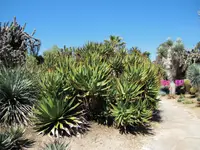
Leave at least 15–20 cm between the leaf tips and any walkway or neighboring plants so the spines do not snag clothing or skin and maintenance access remains safe as the rosette expands.

Spine management

For plants near paths or children, use clean scissors to blunt only the very tip of the central spine on outer leaves, avoiding cutting into the leaf itself to reduce injury risk without stressing the plant.

Mineral mulch layer

Apply a 2–5 cm top-dressing of coarse gravel or pumice around the base to keep the crown dry, reduce rot risk, and stabilize the plant in windy or exposed sites.

Frost protection setup

In climates with occasional frost, keep plantable stakes or a light frame nearby so a breathable cover like frost cloth can be quickly draped over the plant on nights forecast below its tolerance.

Pup removal technique

When offsets appear, use a narrow trowel to follow the connecting rhizome and cut it cleanly with a sharp knife, then allow the pup’s cut surface to dry 2–3 days before potting to improve success when growing Agave horrida from divisions.

Common Pests and Diseases

Agave snout weevil

This pest bores into the base of the rosette, causing internal damage that leads to sudden collapse and foul-smelling rot. Symptoms include yellowing outer leaves, loose or wobbly crowns, and tunnels in the core when cut open.

Solution

Remove and destroy any infested plants immediately to prevent spread, and dispose of soil around the crown that may harbor larvae. In areas where this insect is known, use preventive soil drenches with a systemic insecticide labeled for ornamental agaves in spring, and avoid wounding the base of the plant, which attracts adults.

Agave mite

These insects are microscopic eriophyid mites that feed in the tight leaf bases, causing distorted new leaves, corky or scabby streaks, and sometimes mosaic-like patterns. Symptoms include slow growth, deformed rosettes, and damage often starting deep in the crown where spray treatments do not reach.

Solution

Remove and discard heavily deformed plants or severely affected growing points, since mites are difficult to eliminate once established. For valuable specimens, apply a miticide specifically labeled for eriophyid mites, repeating as directed, and avoid bringing in unquarantined agave offsets or plants from unknown sources to reduce introduction risk.

Scale insects

These insects appear as small, hard or cottony bumps along leaf margins and lower leaf surfaces, sucking sap and causing chlorotic spots and general decline. Symptoms include sticky honeydew, sooty mold on leaves, and weakened plants, especially in containers or sheltered sites.

Solution

Physically remove scale with a soft brush or cloth dipped in diluted alcohol or soapy water, focusing on leaf bases and undersides. For larger infestations, use a horticultural oil or insecticidal soap thoroughly coating affected areas, and repeat treatments over several weeks while improving light and airflow to reduce stress and support Agave horrida care.

Crown and heart rot

This disease is usually caused by soilborne fungi that infect the growth point under prolonged wet, cool, or poorly drained conditions. Symptoms include soft, water-soaked tissue at the center, foul odor, and leaves that pull away easily from the core.

Solution

At early stages, cut out all soft tissue with a sterile knife, allow the wound to dry and callus in a warm, airy place, and withhold water until firm tissue remains. Long term, plant in very fast-draining soil, keep water away from the tight rosette center, and avoid overhead irrigation or frequent watering, especially in cool seasons.

Leaf spot

This disease causes small, dark, sunken or water-soaked lesions on the leaves that may enlarge and merge, often surrounded by yellow halos. Symptoms include cosmetic damage and, under prolonged humidity or overcrowding, progressive spotting on lower, shaded leaves.

Solution

Remove and discard heavily spotted or lowest affected leaves, improving spacing and airflow around the plant to keep foliage dry. If spotting progresses in wet weather, apply a copper-based or other fungicide labeled for ornamental succulents, and avoid overhead watering or water sitting on leaves during cool evenings to reduce reinfection.

Interesting Facts

Distinctively toothed leaves

This species forms stiff, blue-green rosettes with large, flattened brown marginal teeth and a strong terminal spine, giving it a notably more ferocious outline than many related agaves.

Variable leaf armature

Different populations show noticeable variation in tooth size, spacing, and coloration, and some horticultural selections emphasize especially heavy spination valued by collectors.

Central Mexican endemic

The species is naturally restricted to rocky slopes and semi-arid habitats in central Mexico, particularly in Puebla and Hidalgo, where it grows among shrubs and other xerophytic plants on well-drained volcanic or limestone soils.

Botan icon

Did you know?

Agave horrida belongs to a group of long-lived rosette-forming agaves that are monocarpic, meaning each rosette flowers only once after many years of vegetative growth and then dies, leaving offsets around the base that continue the life of the clump.

FAQs about Agave horrida

Brown tips usually result from underwatering, excess heat, or salt buildup from fertilizer. Check soil moisture, flush the pot occasionally to remove salts, and avoid splashing water or fertilizer onto the leaf edges and spines.

Grow Healthy Plants with Botan Care

Keep your plants happy and healthy with plant identification, disease detection, and easy care guidance.

Botan plant care app — identify plants on mobile

Explore More Plants