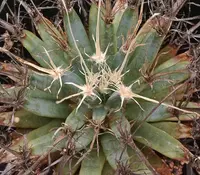
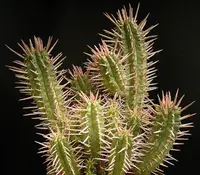
hedge cactus Care (Cereus hildmannianus)

Also known as: Andes organ pipe, Andes organ pipe cactus
hedge cactus

About hedge cactus

Hedge cactus (Cereus hildmannianus) is a tall, columnar cactus often used as a living fence or landscape specimen in warm climates. It forms upright, branched stems with prominent ribs and sparse spines, giving a strong architectural look.

This species is native to South America, especially Brazil, where it grows in dry, rocky habitats. It is generally considered a tough plant, as long as it receives strong light, free-draining soil, and protection from prolonged cold.

For most home growers, the main challenge is avoiding overwatering, which can quickly damage the roots. Once its basic needs are understood, it is relatively straightforward to care for hedge cactus, both in the ground and in large containers.

Main Plant Requirements

Care Difficulty

Easy Care

Light Preference

Full Sun

Water Requirements

Low Water

Temperature Preference

Tropical / Frost Sensitive

Hardiness Zone

10–11

Soil Texture

Sandy, Loamy, Rocky

Soil pH

Slightly acidic (6.5–7.0), Neutral (7.0)

Soil Drainage

Well-drained

Fertilization

Minimal (feed rarely)

Get Personalized Care Plan

Scan your plant to receive care tips personalized for your specific plant

Available on iOS and Android

How to Care for the hedge cactus

Cereus hildmannianus grows best in bright, direct sun that mimics its open, arid habitat.

  • Provide 6–8 hours of direct sun daily, ideally with strong morning sun and some protection from harsh late-afternoon summer sun in very hot climates.
  • The plant tolerates light partial shade, but stems may elongate and lose blue-green color if it receives less than about 4 hours of direct sun.
  • In summer, acclimate hedge cactus slowly when moving from shade to full sun to prevent sunscald; in winter, choose the brightest, least-obstructed outdoor position.

Watering should stay on the dry side and always respect this cactus’s need for fast-draining soil.

  • Allow the top 3–5 cm of soil to dry fully before watering; in hot growing seasons this may mean deep watering every 10–21 days in the ground, depending on heat and soil type.
  • Use very free-draining, sandy or gritty soil so water runs through quickly and roots do not sit in saturated conditions, which encourages root rot and stem softening.
  • Reduce watering sharply in cooler months, giving only enough to prevent wrinkling or slight stem shriveling, while avoiding consistently damp soil around the root zone.

This species prefers warm, frost-free conditions with stable temperatures through the growing season.

  • Ideal growth occurs around 70–90°F (21–32°C), typical of warm, arid to semi-arid climates, where the plant can photosynthesize efficiently without temperature stress.
  • The cactus tolerates brief drops to about 30–32°F (-1–0°C) if very dry, but repeated frost or freezing, especially with wet soil, damages tissue and can kill young stems.
  • In hotter periods above 95°F (35°C), it generally tolerates heat well if soil drains quickly and roots are not waterlogged, though strong, reflected afternoon heat may scorch exposed young growth.

This cactus handles typical indoor humidity well and rarely needs special humidity management.

  • Target 30–50% relative humidity, which matches most heated and air-conditioned homes.
  • Tolerates dry air; only very prolonged humidity above 70% raises the risk of stem rot and fungal spots.
  • If stems wrinkle while soil is moist and air is very dry, improve airflow rather than adding misting or trays.

Use a very fast-draining, mineral-heavy mix to keep Cereus hildmannianus roots dry between waterings.

  • Choose a sandy or gritty structure, such as 50–70% inorganic material (pumice, coarse perlite, grit) with 30–50% cactus potting mix.
  • Ensure water runs through in seconds and the mix dries fully within 3–5 days in warm conditions.
  • Aim for slightly acidic to neutral pH, around 6.0–7.0, which most commercial cactus mixes already provide.
  • Avoid dense, peat-heavy or clayey substrates that stay wet, and never use soil scooped directly from a garden bed.

This species grows successfully in containers when the pot supports its tall, heavy stems.

  • Select a deep, heavy container (often unglazed clay) to counterbalance top-heavy growth and reduce tipping risk outdoors.
  • Leave 2–3 cm between root mass and pot wall to limit excess wet substrate that can sour around the roots.
  • Raise the container slightly on pot feet or bricks so drainage holes stay clear and water does not pool under the base.

Cereus hildmannianus grows well with modest feeding during the warm growing season.

  • Use a balanced cactus fertilizer or low-strength balanced NPK liquid at 1⁄2–1⁄4 label rate to avoid salt buildup.
  • Feed every 4–6 weeks in spring and summer when growth is active, especially for hedge cactus in containers.
  • Skip compost-heavy mixes; instead use a lean, fast-draining substrate and apply slow-release granules sparingly if preferred.
  • Stop feeding in fall and winter when growth slows, as extra nutrients can cause weak, etiolated growth.

Pruning Cereus hildmannianus is mainly for safety, shape control, and removing damaged tissue.

  • Carry out pruning in late spring or early summer, once the risk of frost has passed and growth is active.
  • Remove dead, diseased, frost-damaged, or rubbing stems first, cutting back to healthy green tissue.
  • Thin overcrowded or leaning arms to improve light penetration, stability, and a balanced, upright form.
  • Use clean, sharp loppers or a pruning saw, wear thick gloves, and disinfect tools between plants to reduce disease spread.

Cereus hildmannianus in containers or young landscape plants benefit from occasional careful transplanting.

  • Look for roots circling the pot drainage holes, soil drying very quickly, or slowed growth as signs it needs more space.
  • Plan repotting or transplanting in late spring to early summer so roots re-establish in warm, active growth conditions.
  • Expect container plants to need a larger pot every 2–4 years; step up only 2–5 cm wider each time to prevent soggy soil.
  • Minimize root stress by watering 1–2 days before moving, handling the root ball gently, and keeping the cactus at the same soil level in fresh, gritty mix.

Cereus hildmannianus is commonly propagated from stem cuttings and, less often, from seed.

  • Take 10–30 cm healthy stem cuttings in late spring or summer, avoiding very thin or weak segments.
  • Allow cut ends to dry and callus for 5–10 days in shade before planting to reduce rot risk.
  • Insert callused cuttings into dry, gritty cactus mix, then water lightly once after planting and keep warm with bright indirect light.
  • For seeds, sow on the surface of barely moist cactus mix at 70–80°F, provide bright light, and keep humidity moderate until germination.

Cereus hildmannianus is frost sensitive and needs protection in climates below about 30°F.

  • In-ground plants in mild climates benefit from a 5–8 cm layer of dry mulch around the root zone, kept off the stem base.
  • Wrap or cover exposed stems during cold snaps with breathable frost cloth to limit tissue damage.
  • Move container plants indoors or into a bright, cool, frost-free area, and keep soil almost dry through winter.

Care Tips

Secure Structural Support

Install a sturdy stake or masonry wall support when stems reach 60–90 cm, tying them loosely with soft ties to prevent wind damage and leaning as the cactus becomes heavier.

Encourage Branching

Trim the very tip of overly tall, unbranched stems in late spring using a sterile, sharp knife, which redirects growth hormones and encourages lateral arms to form lower on the plant for a denser hedge.

Rooting Pruned Segments

Allow healthy pruned stem sections to callus for 7–10 days in dry shade, then plant them upright in a coarse, barely moist mix to easily propagate new plants for thickening a row or replacing gaps.

Dry Climate Wintering

In regions with cool but frost-free winters, reduce irrigation drastically and use a gravel mulch around the base to keep the root zone drier, which lowers the risk of fungal rot while still supporting growing hedge cactus.

Prevent Scale Infestations

Inspect ribs and areoles monthly for early signs of scale insects, and if detected, wipe affected areas with a cotton pad dipped in diluted horticultural soap before populations become large enough to stress the plant.

Common Pests and Diseases

Scale insects

These insects attach firmly to stems and ribs, sucking sap and causing yellowing, slowed growth, and sticky honeydew on the cactus surface.

Solution

Remove visible scales manually with a cotton swab dipped in 70% isopropyl alcohol, then wash stems with a strong but gentle stream of water and improve air circulation; for larger outdoor plants, use a horticultural oil spray labeled for cacti, applied in the evening to avoid sunburn.

Mealybugs

This pest appears as white, cottony clusters in areoles and rib crevices, weakening the plant and promoting sooty mold on the honeydew they excrete.

Solution

Isolate affected plants, then dab mealybugs with 70% isopropyl alcohol and rinse the plant thoroughly; for persistent infestations on large specimens, apply an insecticidal soap or horticultural oil, repeating every 7–10 days until no new insects appear.

Red spider mites

These insects are tiny and often hard to see, but cause dull, rough, bronzed patches on the skin of the cactus, especially in hot, dry, sheltered locations.

Solution

Increase humidity around the plant, hose down stems regularly to dislodge mites, and use an insecticidal soap or a miticide labeled for cacti, making sure to cover the entire surface of the ribs and crevices.

Corky scab (edema)

Symptoms include rough, brown, corky patches on the lower or shaded sides of stems, often linked to sudden overwatering after dry periods or prolonged humidity on the skin.

Solution

Adjust watering to a moderate, steady schedule, avoid wetting the stems in cool or low-light conditions, and improve light and airflow; affected tissue will not turn green again, but new growth can remain smooth if conditions stay stable, which supports long-term Cereus hildmannianus plant care.

Helminthosporium stem spots

This disease forms elongated, reddish-brown to dark lesions on the ribs that can merge and distort the stem if humidity stays high and airflow is poor.

Solution

Cut out small, localized lesions with a sterile knife, dust the wounds with sulfur or a copper-based fungicide, and reduce overhead watering while improving spacing and sun exposure; discard severely affected stems to prevent spread to healthy tissue.

Interesting Facts

Night-blooming pollination

This species opens its large white flowers only at night, relying mainly on nocturnal moths and bats for pollination, then the blooms usually wilt by the following morning.

Bird-dispersed fruits

Its fleshy red to pink fruits are eaten by birds, which then disperse the seeds over long distances, helping the cactus colonize rocky hillsides and disturbed areas in its native range.

Natural hedge formation

In parts of South America, this columnar cactus is traditionally planted in rows to form living fences, taking advantage of its tall, branching habit and dense spines to create an effective barrier.

Botan icon

Did you know?

In favorable outdoor conditions, this species can form tree-like clumps several meters tall, making it one of the few cacti that can function as a structural element in dry forest and caatinga landscapes rather than just as understorey vegetation.

FAQs about hedge cactus

Lack of flowers usually comes from insufficient light, excessive watering, or a pot kept too small for many years. Mature stems need strong sun, cool but frost‑free winters, and a brief drier rest period to set buds.

Grow Healthy Plants with Botan Care

Keep your plants happy and healthy with plant identification, disease detection, and easy care guidance.

Botan plant care app — identify plants on mobile

Explore More Plants